Bangkok Travel Guide 2026 – Tips, Hotels & Things to Do
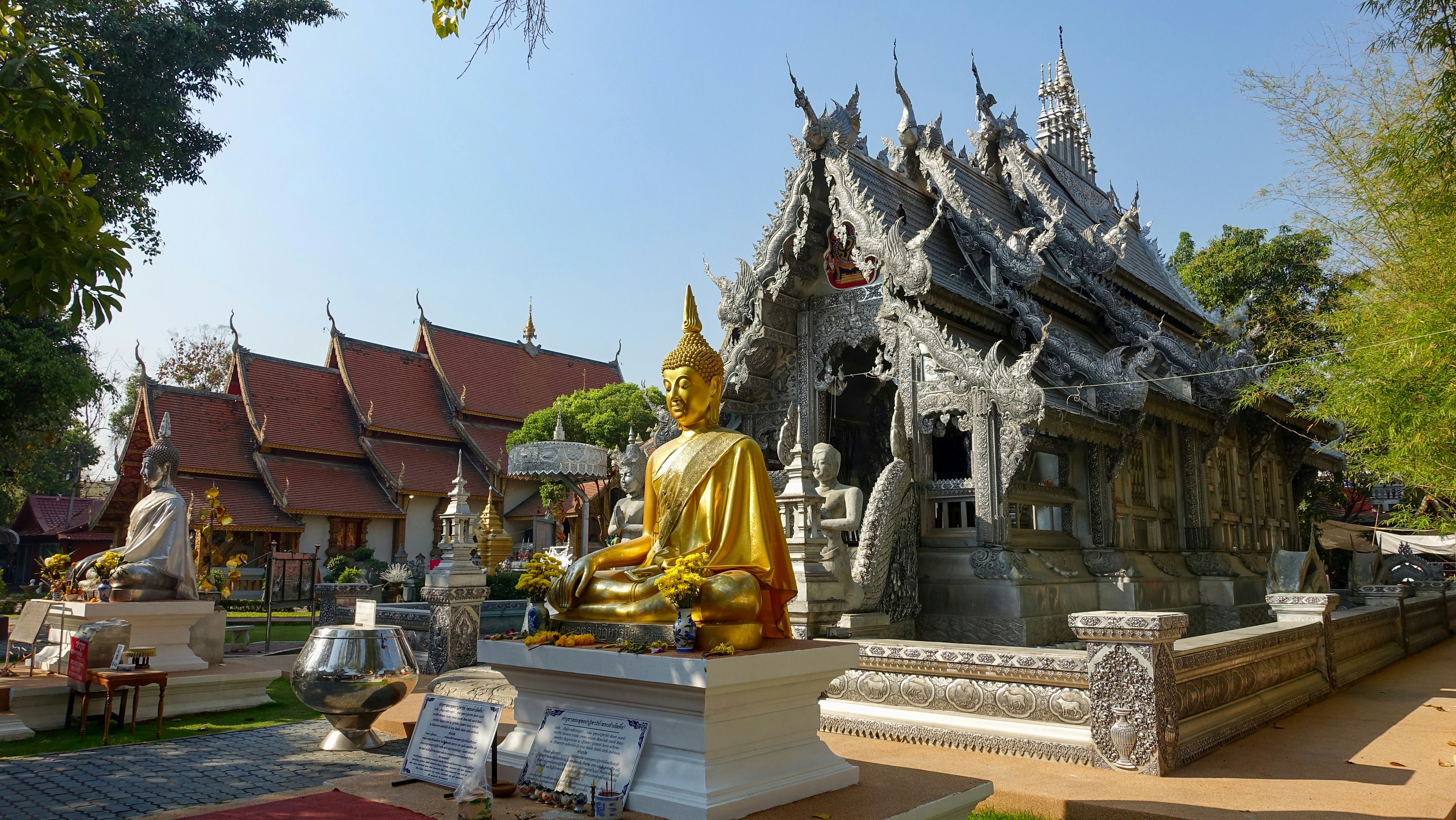
Bangkok is the kind of city that hits you from every angle — the gold-spired temples catching the sunrise, street vendors firing up woks at midnight, and rooftop bars where you can watch the Chao Phraya River light up as the call to prayer echoes across the skyline. It's chaotic, beautiful, and endlessly rewarding. Whether it's your first visit or your tenth, this Bangkok travel guide 2026 will help you plan every detail of your trip — from the best hotels in Bangkok to hidden food alleys most tourists never find.
Why Bangkok belongs on your 2026 bucket list:
- World-class street food that costs less than a coffee at home
- Stunning temples and palaces you can visit for just a few dollars
- Shopping that ranges from $3 night-market finds to luxury malls
- Nightlife that doesn't stop — rooftop bars, night markets, and live music
- Some of the best-value hotels in Southeast Asia
- A food scene so rich it earned its own Michelin Guide
- Easy connections to the rest of Thailand and Southeast Asia
Most travelers spend 3–4 days in Bangkok, which is enough for the main temples, street food, markets, and a day trip. If you're short on time, our 3 Days in Bangkok itinerary covers all the highlights. If you have a week, you can explore neighborhoods more deeply and take multiple day trips.
Table of Contents
- About Bangkok
- Best Time to Visit Bangkok
- How to Get to Bangkok
- Where to Stay in Bangkok
- Must-Do Attractions
- Hidden Gems
- Bangkok Food Scene
- Things to Do in Bangkok
- Day Trips from Bangkok
- Getting Around Bangkok
- Bangkok Travel Tips
- Frequently Asked Questions
About Bangkok
Bangkok — Krung Thep Maha Nakhon to Thais, meaning "City of Angels" — is the capital of Thailand and one of the most visited cities on Earth, welcoming over 22 million international visitors annually. Founded in 1782 by King Rama I as the new capital of the Chakri Dynasty, Bangkok has grown from a small riverside trading post into a sprawling metropolis of over 10 million people.
What makes Bangkok unique is its ability to be everything at once. It's a modern financial hub with gleaming skyscrapers and world-class infrastructure, yet ancient temples sit peacefully in the shadow of those towers. It's a food lover's paradise where a $1 bowl of noodles from a sidewalk cart can rival a $50 meal in a fine-dining restaurant. It's a shopper's dream with everything from luxury mega-malls to chaotic weekend markets selling vintage treasures.
Bangkok in 2026: The city continues to evolve at breakneck speed. The new MRT Purple and Yellow Lines have expanded rail coverage into Thonburi and eastern Bangkok. The BTS Gold Line now connects the riverside to the Silom business district. ICONSIAM has cemented itself as Southeast Asia's premier luxury mall, while the revitalization of neighborhoods like Talad Noi and Charoen Krung has created a thriving creative district. Tourism has fully rebounded post-pandemic, and Bangkok remains the gateway to Southeast Asia for millions of travelers.
Bangkok sits on the Chao Phraya River delta, which means much of the city is at or slightly above sea level. The Chao Phraya splits the city into two main halves — the historic east bank (where the Grand Palace, Chinatown, and most tourist attractions are) and the more residential west bank (Thonburi). A network of canals (klongs) once earned Bangkok the nickname "Venice of the East," and while many have been filled in for roads, the remaining waterways offer a fascinating glimpse into traditional Thai life.
The city is divided into 50 districts (khet), but as a traveler, you only need to know a handful: Bang Rak (riverside and Chinatown), Phra Nakhon (Old City and temples), Pathum Wan (Siam shopping district), Watthana (Sukhumvit nightlife and dining), and Khlong Toei (Silom business district). Each has its own personality, and the best Bangkok trips sample from all of them.
Best Time to Visit Bangkok
Bangkok is hot year-round, but the best time to visit is November through February, when temperatures hover around a comfortable 25–32°C (77–90°F) with low humidity. This is the cool (dry) season — you'll still need sunscreen, but you won't melt walking between temples.
Month-by-Month Breakdown
| Season | Months | Temp Range | Humidity | What to Expect |
|---|---|---|---|---|
| Cool/Dry | Nov–Feb | 25–32°C | Low | Best weather. Peak tourist season. Book hotels early. |
| Hot | Mar–May | 30–38°C | Medium | Brutally hot. April is Songkran (Thai New Year) — huge water fights! |
| Rainy | Jun–Oct | 27–33°C | High | Afternoon downpours, usually 1–3 hours. Prices drop. Fewer crowds. |
Peak Tourist Periods to Watch
- Christmas & New Year's (late Dec–early Jan): Hotels fill up fast and prices jump 30–50%. Book by October.
- Chinese New Year (Jan/Feb): Chinatown goes all-out with decorations and celebrations. The Yaowarat Road parade is spectacular.
- Songkran (Apr 13–15): The world's biggest water fight. Hotels along Khao San Road sell out months in advance. Expect to get soaked — it's part of the fun.
- Loy Krathong (Nov): Beautiful festival of lights with lanterns floating on rivers and into the sky. One of the most photogenic times to visit.
- Vegetarian Festival (Sep/Oct): Nine days of meat-free eating with elaborate processions through Chinatown. A food lover's dream even if you're not vegetarian.
Pro tip: If you want decent weather without the crowds, late November or early December is the sweet spot.
How to Get to Bangkok
Bangkok is one of Southeast Asia's best-connected cities, with two international airports and extensive overland routes.
Suvarnabhumi Airport (BKK)
The main international hub, about 30 km east of the city center. Most full-service airlines fly here — Thai Airways, Singapore Airlines, Emirates, Cathay Pacific, and all major European and American carriers. In 2026, the airport is completing its long-awaited expansion with a new satellite terminal, increasing capacity by 30%.
Getting from BKK to the city:
- Airport Rail Link (ARL): The cheapest option at 45 THB ($1.30) for the City Line to Phaya Thai station (30 min). Connects to the BTS Skytrain. Runs 6am–midnight. The ARL is also connected to the new MRT Yellow Line at Lat Phrao, making transfers to northern Bangkok easier than ever.
- Taxi: Metered taxis cost 300–450 THB ($9–13) depending on traffic. Add 50 THB airport surcharge. Use the official taxi stand outside arrivals — never accept offers from touts inside.
- Grab: 350–500 THB ($10–15). More predictable pricing and you can see your driver's rating.
- Private transfer: 800–1,200 THB ($23–35) for a sedan. Worth it if you're arriving late with luggage. Book through Klook or your hotel.
- Airport Bus: 60 THB ($1.75) on several routes, but slow and crowded. Only if you're on a tight budget.
Don Mueang Airport (DMK)
Bangkok's second airport, used mainly by low-cost carriers like AirAsia, Thai Lion Air, and Nok Air. It's about 24 km north of the city.
Getting from DMK to the city:
- SRT Dark Red Line train: 20–30 THB ($0.60–0.90) to Bang Sue Grand Station, where you can connect to the MRT Blue and Purple Lines. Runs 5am–midnight. This is now the fastest and cheapest option.
- Taxi: 200–400 THB ($6–12) to central Bangkok.
- Grab: 250–450 THB ($7–13).
- Bus: Routes A1, A2, A3, and A4 connect to various parts of the city for 30 THB ($0.90).
Visa Requirements (2026)
Most nationalities get 60 days visa-free on arrival by air or 30 days by land crossing (extended from the previous 30/15 days as of mid-2024). This includes citizens of the US, UK, Canada, Australia, EU, New Zealand, and Japan. Check the Thai Immigration website for the latest updates, as policies can change.
If you need longer, you can extend your visa at any Thai Immigration office for another 30 days (1,900 THB / $55). Thailand also now offers a Destination Thailand Visa (DTV) for digital nomads and remote workers — valid for 5 years with 180-day stays per entry. This has made Bangkok one of the world's top digital nomad hubs.
Overland Routes
- From Cambodia: Direct buses from Siem Reap (8–9 hours, ~$15–25) or the train/bus combo via Poipet.
- From Laos: The new high-speed rail from Vientiane takes just 3.5 hours (opened 2024, extended service 2025). A game-changer for regional travel. Overnight sleeper trains also run from Nong Khai.
- From Malaysia: Overnight trains from Kuala Lumpur or Hat Yai (20+ hours), or budget flights (often cheaper than the train).
Where to Stay in Bangkok
Choosing the right neighborhood makes or breaks your Bangkok trip. Here's a breakdown of the five best areas, plus hotel recommendations at every budget.
Best Neighborhoods
Sukhumvit — The all-rounder. Best for first-timers who want shopping, nightlife, and restaurants within walking distance. BTS Nana, Asok, and Thong Lo stations keep you connected. Great for mid-range and luxury travelers. Thong Lo and Ekkamai are the upscale end with craft cocktail bars and boutique dining, while Nana and Asoke are more central and lively.
Silom / Sathorn — Bangkok's business district by day, lively dining and nightlife hub by night. Walking distance to Lumphini Park and the Chao Phraya River. Excellent for business travelers and couples. The new BTS Gold Line connects this area directly to ICONSIAM and the riverside.
Old City (Ko Rattanakosin) — Where you'll find the Grand Palace, Wat Pho, and Wat Arun. Stay here to be steps from the biggest temples. Quieter at night, fewer dining options, but steeped in history. Ideal for culture lovers and first-timers who want to be near the main sights.
Riverside — Premium views of the Chao Phraya River, luxury hotels, and easy access to river taxis. More expensive but worth it for the atmosphere. Perfect for honeymoons and special occasions. The area around ICONSIAM and Charoen Nakhon has seen a boom in new hotels and dining options.
Khao San Road — The backpacker capital of Southeast Asia. Cheap beds, street food, and a party scene that runs all night. Great for budget travelers and anyone who wants to meet fellow backpackers. The surrounding streets (Soi Rambuttri, Phra Athit) offer a slightly more laid-back version of the same vibe.
Luxury Hotels ($150+/night)
These are some of the best hotels in Bangkok if you want five-star service and iconic views:
- The Siam — A stunning boutique hotel in a quiet riverside setting. Think Art Deco meets Thai elegance. Pools, spa, and a Muay Thai ring. From $200/night.
- Mandarin Oriental — A legendary hotel that's been hosting guests since 1876. River views, world-class service, and multiple award-winning restaurants. From $250/night.
- The Peninsula Bangkok — Iconic riverfront property with a three-story spa and a pool that seems to float on the Chao Phraya. From $220/night.
- Capella Bangkok — Modern luxury with a riverside location near ICONSIAM. Known for its stunning design and personalized service. From $280/night.
- The Okura Prestige — Japanese-inspired luxury on Thong Lo. Sleek design, excellent breakfast, and a quieter location away from the tourist crowds. From $180/night.
- Four Seasons Bangkok at Chao Phraya River — Opened in 2025, this stunning property features multiple pools, a world-class spa, and panoramic river views. Already one of Bangkok's most sought-after luxury stays. From $350/night.
For more luxury options, check out our complete Bangkok hotel guide.
Mid-Range Hotels ($50–$150/night)
- Riva Arun — Charming boutique hotel directly across from Wat Arun. The rooftop views alone are worth the stay. From $70/night.
- Hotel Muse Bangkok — Colonial-style design in the Langsuan area. Excellent restaurant and a speakeasy bar. From $65/night.
- Novotel Bangkok Platinum — Connected to Platinum Fashion Mall, right above BTS Chit Lom. Huge pool, modern rooms. From $80/night.
- ibis Styles Bangkok Khaosan — A rare mid-range find near Khao San Road. Clean, modern, and a 5-minute walk from the action. From $50/night.
- Aloft Bangkok Sukhumvit 11 — Trendy hotel with a great pool and rooftop bar. Steps from Terminal 21 and BTS Nana. From $75/night.
- Volve Hotel Bangkok — New in 2025, located in the revitalized Charoen Krung creative district. Industrial-chic design with a rooftop pool overlooking the river. From $60/night.
Budget Hotels & Hostels (Under $50/night)
- Lub d Bangkok Silom — One of Bangkok's best hostel chains. Clean dorms from $12/night, private rooms from $35/night. Great common area and bar.
- Bed Station Hostel — Near BTS Phaya Thai. Pod-style dorms with curtains, privacy lights, and excellent security. From $10/night.
- NapPark Hostel — Right on Khao San Road. Social atmosphere, clean dorms, and a rooftop terrace. From $11/night.
- HQ Hostel — Boutique hostel near BTS Ratchathewi. Stylish design, great coffee shop, and friendly staff. From $13/night.
- Siamaze Hostel — Near Khao San Road with an outdoor pool — rare at this price. From $14/night.
Looking for more budget options? See our guide to the best hotels in Bangkok under $100 for curated picks across all neighborhoods.
Must-Do Attractions
Bangkok packs more attractions into a few square kilometers than most cities manage in a lifetime. Here are the essentials, with real prices and practical tips for 2026.
Temples & Palaces
Grand Palace & Wat Phra Kaew The crown jewel of Bangkok. The Grand Palace complex houses the Emerald Buddha — Thailand's most sacred image. The grounds are stunning, with intricate gold detailing and colorful murals depicting the Ramayana epic.
- Cost: 500 THB ($14.50)
- Hours: 8:30am–3:30pm daily
- Dress code: Strict — shoulders and knees must be covered. Rent cover-ups at the entrance if needed (200 THB deposit).
- Tip: Go when gates open at 8:30am to beat the heat and crowds. Allow 2–3 hours. Book a skip-the-line tour to avoid the ticket queue.
- 2026 note: The palace now enforces timed-entry tickets during peak season (Nov–Feb). Book online in advance through the official website to guarantee your slot.
Wat Pho (Temple of the Reclining Buddha) Home to a 46-meter gold-plated reclining Buddha and the birthplace of traditional Thai massage. This is our favorite temple in Bangkok — the atmosphere is more relaxed than the Grand Palace, and you can actually get a massage on-site.
- Cost: 300 THB ($8.70)
- Hours: 8am–6:30pm daily (massage until 6pm)
- Tip: The massage pavilion inside the temple offers 30-minute foot massages for 260 THB ($7.50) — one of the best deals in Bangkok. Walk south from the Grand Palace (10 min).
Wat Arun (Temple of Dawn) The iconic prang (tower) covered in porcelain mosaics rises dramatically from the west bank of the Chao Phraya River. Climb the steep steps for panoramic river views.
- Cost: 100 THB ($2.90)
- Hours: 8am–6pm daily
- Tip: Best photographed from the east bank at sunset. Take the cross-river ferry from Wat Pho for 4 THB ($0.12).
- 2026 note: A new lighting installation illuminates Wat Arun after dark — the nighttime view from the east bank has become one of Bangkok's most Instagrammed spots.
Wat Saket (Golden Mount) A hilltop temple crowned with a golden chedi, offering one of the best panoramic views of Old Bangkok. The 344-step climb is manageable even in the heat, and the breezy summit is a welcome escape.
- Cost: 50 THB ($1.45)
- Hours: 8am–5pm daily
- Tip: Visit in the late afternoon when the light is soft and the temperature has dropped. The golden hour views from the top are spectacular.
Museums & Cultural Sites
Jim Thompson House The beautifully preserved home of the American silk entrepreneur who revived Thailand's silk industry. Six traditional teak houses filled with art, antiques, and lush gardens.
- Cost: 200 THB ($5.80)
- Hours: 9am–6pm daily (guided tours every 20 min)
- How to get there: BTS National Stadium, then a 5-minute walk
- Tip: The tour is mandatory and worth every minute. The guide stories about Jim Thompson's mysterious disappearance in 1967 are fascinating.
Bangkok National Museum Thailand's largest museum, housing collections of Thai art, ceramics, and royal artifacts. A great way to understand the country's history before visiting the temples.
- Cost: 200 THB ($5.80)
- Hours: Wednesday–Sunday, 9am–4pm
- How to get there: Near Tha Phra Chan pier (take the Chao Phraya Express Boat)
- 2026 note: The museum completed a major renovation in 2025 with new interactive exhibits and improved English labeling.
Museum Siam An interactive museum that explores what it means to be "Thai" through engaging exhibits on history, culture, and identity. Much more engaging than traditional museums — great for families and anyone who wants to understand Thailand beyond the surface.
- Cost: 100 THB ($2.90)
- Hours: Tuesday–Sunday, 10am–6pm
- How to get there: BTS Saphan Taksin, then a 10-minute walk or short ferry ride
Erawan Shrine A Hindu shrine in the middle of downtown Bangkok where locals come to pray, make offerings, and hire traditional dancers. Surprisingly moving, even if you're not religious.
- Cost: Free
- Hours: 6am–11pm daily
- How to get there: BTS Chit Lom, outside CentralWorld
Markets & Shopping
Chatuchak Weekend Market One of the world's largest open-air markets with over 15,000 stalls selling everything from vintage clothing to live animals. Getting lost here is half the fun.
- Cost: Free entry
- Hours: Saturday & Sunday, 9am–6pm (some sections open Friday 6–9pm for night market)
- How to get there: BTS Mo Chit or MRT Chatuchak Park
- Tip: Wear comfortable shoes, bring cash, and download a map from their official website. The market is divided into sections — Section 5–6 for vintage, Section 24–26 for art, Section 13–15 for antiques. Arrive by 10am before it gets too hot.
MBK Center Eight floors of shopping madness in the heart of Siam. Electronics, fashion, souvenirs, and a massive food court. Great for air-conditioned browsing.
- Hours: 10am–10pm daily
- How to get there: BTS National Stadium (directly connected)
- Tip: The 7th-floor food court is excellent and cheap. Buy coupons at the entrance.
Siam Paragon & CentralWorld Luxury malls for when you want brand-name shopping, a cinema, and an aquarium (Siam Paragon). Connected by the BTS Skywalk from Siam station.
- Hours: 10am–10pm daily
- 2026 note: CentralWorld completed a major expansion in 2025, adding 200+ new stores and a rooftop dining precinct with city views.
ICONSIAM Bangkok's most spectacular mall, opened in 2018 and still the crown jewel of Bangkok retail. Set on the Chao Phraya River, it features a floating market inside, luxury brands, an indoor waterfall, and the best river views from any mall in the city.
- Hours: 10am–10pm daily
- How to get there: Free shuttle boat from BTS Saphan Taksin (every 15 min)
- Tip: Don't miss SookSiam on the ground floor — a curated collection of Thai handicrafts and regional foods from all 76 provinces.
Hidden Gems
Beyond the Grand Palace and Khao San Road, Bangkok is full of lesser-known spots that reward curious travelers. These are the places locals go — and they're what separate a good Bangkok trip from a great one.
Talad Noi
Bangkok's oldest and most atmospheric neighborhood, hidden in the shadow of Chinatown. Talad Noi (meaning "small market") is a maze of narrow alleys lined with century-old shophouses, street art, independent galleries, and hip cafes. It's one of Bangkok's fastest-growing creative districts, but it still feels wonderfully untouched.
- What to do: Wander the alleys, photograph the street art, visit the So Heng Tai Mansion (a 200-year-old Chinese merchant's home), and grab coffee at one of the trendy cafes like Talad Noi Café or Rong Sae.
- How to get there: Walk from MRT Sam Yan (10 min) or BTS Surasak (15 min). Look for the entrance near Wat Traimit.
- Best time: Weekday mornings when it's quiet and the light is good for photography.
Bang Krachao (Bangkok's "Green Lung")
A vast area of preserved mangrove forest and organic farms on a bend of the Chao Phraya River, directly across from downtown Bangkok. It feels like you've left the city entirely — yet you're only 30 minutes away by boat.
- What to do: Rent a bicycle (50 THB/day) and ride the elevated wooden paths through the forest. Visit the Sri Nakhon Khuean Khan Park botanical garden. Eat at the floating riverside restaurants. The sunset over the river here is magical.
- How to get there: Take the BRT to Sathorn pier, then a cross-river ferry (2 THB) to Bang Krachao. From there, rent a bike.
- Best time: Early morning (7–9am) for birdwatching and cooler temperatures, or late afternoon for sunset. Avoid midday heat.
Talad Rot Fai (Train Night Market)
Once a hidden gem known only to locals, Talad Rot Fai has become Bangkok's trendiest night market — but its sheer size means it still doesn't feel overcrowded. Spread across a massive former railway depot, the market offers vintage clothing, antiques, collectibles, and an incredible food scene.
- What to do: Shop for vintage clothes and retro furniture, eat at the dozens of food stalls (the seafood BBQ and Korean corn are highlights), and enjoy live music and drinks in the garden area.
- Cost: Free entry, food $1–5 per dish
- Hours: Thursday–Sunday, 5pm–1am
- How to get there: MRT Talad Rot Fai (the market is literally outside the station exit). This new MRT station makes getting here effortless — a major improvement from the old days of requiring a taxi.
- 2026 note: The market has expanded into a second zone called "Talad Rot Fai Zone 2" with even more vendors and a craft beer garden.
Artist's House (Baan Silapin)
A beautifully restored 200-year-old wooden house on the Bangkok Yai Canal, now serving as an art gallery and performance space. Traditional Thai puppet shows are performed here daily.
- Cost: Free (puppet shows ~100 THB suggested donation)
- Hours: 9am–5pm daily (puppet shows at 2pm daily)
- How to get there: Take the Chao Phraya Express Boat to Bangkok Yai pier, then a short walk
- Tip: The puppet show is charming and authentic — it's one of the few places in Bangkok where you can see this traditional art form. Arrive by 1:30pm to get a good seat.
Phraeng Sansab (Old Town Hidden Square)
A tiny, picturesque square in the Old City that most tourists walk right past. Lined with restored heritage buildings painted in pastel colors, it feels like a movie set. There's a small coffee shop, a vintage store, and usually no crowds.
- Cost: Free
- How to get there: Walking distance from Wat Pho — turn north on Phraeng Sansab alley (between the temple and the river)
- Best time: Mid-morning when the café is open and the light hits the pastel walls.
Benjakitti Park
A stunning urban park built on the former site of a tobacco factory, featuring elevated walkways through wetlands, skywalks with skyline views, and cycling paths. It's Bangkok's most beautiful modern park — a world away from the city noise.
- Cost: Free
- Hours: 5am–9pm daily
- How to get there: BTS Khlong Toei or MRT Queen Sirikit National Convention Center
- Tip: The elevated skywalk through the wetland forest is the highlight. Come at golden hour for incredible photos of the Bangkok skyline reflected in the water.
Bangkok Food Scene
Bangkok is one of the world's great food cities. From Michelin-starred street stalls to upscale dining rooms, every meal is an experience. Here's how to eat your way through the city in 2026.
Must-Try Dishes
- Pad Thai: Stir-fried rice noodles with shrimp, tofu, egg, bean sprouts, and peanuts. The classic. Try it at Thip Samai on Maha Chai Road for a legendary version wrapped in egg.
- Tom Yum Goong: Spicy and sour shrimp soup with lemongrass, galangal, and kaffir lime leaves. Best at P'Aor on Sukhumvit Soi 26.
- Som Tum (Green Papaya Salad): Fresh, spicy, tangy — and addictive. Found at virtually every street stall. Try it with fermented fish sauce (pala) for the authentic Isaan version.
- Mango Sticky Rice: Thailand's most famous dessert. Sweet ripe mango over warm sticky rice with coconut cream. Peak season is April–May.
- Boat Noodles (Kuai Tiao Ruea): Rich, intensely flavored pork or beef broth served in tiny bowls (you'll want 3–4). Try them at Victory Monument's boat noodle alley.
- Khao Soi: Northern Thai curry noodle soup — creamy, coconutty, and topped with crispy noodles. Not originally from Bangkok but widely available and absolutely worth trying.
- Gai Tod (Fried Chicken): Crispy, marinated fried chicken served with sticky rice and som tum. The simplest Thai meal and one of the best.
- Laab: A spicy minced meat salad from northeastern Thailand (Isaan) with fresh herbs, lime, and toasted rice powder. One of Thailand's most complex and underappreciated dishes.
- Massaman Curry: A rich, mild curry with potatoes, peanuts, and braised beef — influenced by Persian and Indian cuisine. The perfect introduction to Thai curries for those who can't handle extreme heat.
Best Street Food Areas
Yaowarat (Chinatown) — The undisputed king of Bangkok street food. Come after 6pm when the street transforms into an open-air kitchen. Don't miss: grilled seafood on T&K, roasted duck, mango sticky rice at the cart near the intersection, and oyster omelets. The Michelin Guide lists over 20 street stalls in this area alone.
Khao San Road — Touristy but fun. Pad Thai for 40 THB ($1.15), fresh fruit smoothies for 30 THB ($0.90), and scorpions on sticks if you're feeling brave.
Or Tor Kor Market — Bangkok's most beautiful fresh market, ranked by CNN as one of the world's best. Higher prices than street stalls but the quality is exceptional. Great for prepared foods and exotic fruits. The mango sticky rice here is arguably the best in the city.
Jodd Fairs (Rama 9 Night Market) — The trendiest night market in Bangkok in 2026. Creative street food, viral dishes (the "volcano pork bone soup" and grilled jellyfish are Instagram-famous), and a lively atmosphere. Located next to Central Plaza Rama 9.
Victory Monument Boat Noodle Alley — A cluster of shops under the BTS station serving authentic boat noodles in tiny bowls for 15 THB ($0.45) each. Order 5–6 bowls for a proper meal. Also famous for pork satay and Isaan sausage.
Sri Nakharin Night Market (Train Night Market Ratchada) — The trendiest vintage market with creative street food and live music. The seafood BBQ here is outstanding.
Restaurant Recommendations
- Jay Fai — Michelin-starred street food. Supinya "Jay Fai" Junsuta cooks wok dishes wearing ski goggles at her open-air shophouse. The crab omelet is legendary. Expect to queue 2–3 hours. Dishes 300–1,000+ THB ($9–29).
- Thip Samai — Famous for its "pad Thai wrapped in egg" and orange juice. Open until 3am. Dishes 50–100 THB ($1.50–2.90).
- Supanniga Eating Room — Authentic Thai family recipes in a stylish setting. Try the crispy morning glory and southern yellow curry. Mains 250–450 THB ($7–13).
- Soul Food Mahanakorn — Modern Thai with a hipster vibe. The pork belly and laab are outstanding. Mains 200–400 THB ($6–12).
- Err Urban Rustic Thai — Innovative Thai cuisine with craft cocktails. Great for dinner and drinks. Mains 300–600 THB ($9–17).
- Nusara — Bangkok's hottest fine-dining restaurant in 2025–2026. Chef Thitid "Ton" Tassanakajohn serves elevated royal Thai cuisine in a gorgeous heritage building near the Grand Palace. Michelin-starred. Set menus from 3,500 THB ($100). Book weeks in advance.
Food Budget Guide
| Meal Type | Cost Range | Where |
|---|---|---|
| Street food meal | $1–3 (35–100 THB) | Street stalls, markets |
| Local restaurant | $3–8 (100–280 THB) | Shophouse restaurants, food courts |
| Mid-range restaurant | $8–20 (280–700 THB) | Restaurants like Supanniga, Soul Food |
| Fine dining | $30–100+ (1,000–3,500+ THB) | Nusara, Gaggan Anand, Le Normandie |
| Craft cocktail | $8–15 (280–520 THB) | Rooftop bars, speakeasies |
| Large Chang beer | $2–4 (70–130 THB) | 7-Eleven (cheapest), bars, restaurants |
Bangkok Food Tours
If you want expert guidance (and to discover spots you'd never find alone), Bangkok has several excellent food tours:
- A Chef's Tour Bangkok — Led by local chefs, these tours explore Chinatown, Old Town, and local markets. From $35/person.
- Bangkok Street Food Tour by Tuk-Tuk — Combine sightseeing with food stops. From $45/person.
- Chinatown After Dark Food Walk — Evening tour focused on Yaowarat's best eats. From $30/person.
Things to Do in Bangkok
River Experiences
Longtail Boat Canal Tour See a different side of Bangkok from the narrow canals (klongs) in Thonburi. You'll pass stilt houses, hidden temples, and local markets far from the tourist trail.
- Cost: 500–1,000 THB ($14.50–29) for a private 1–2 hour tour
- Tip: Book through Klook for better rates, or negotiate directly at any pier in Thonburi.
Chao Phraya Dinner Cruise A romantic evening cruising past illuminated temples and the Bangkok skyline while enjoying a buffet dinner. Several operators run these nightly.
- Cost: 1,000–2,500 THB ($29–72) per person depending on the boat
- Tip: The Manohra Cruise on a traditional rice barge is the most authentic and upscale option. Book at least a week in advance.
Chao Phraya Tourist Boat The most affordable way to see the river. The hop-on hop-off tourist boat (orange flag) stops at 8 major piers including the Grand Palace, Wat Arun, and ICONSIAM.
- Cost: ~150 THB ($4.35) for a full-day unlimited pass
- Hours: 8:30am–6pm
Nightlife & Rooftop Bars
Bangkok's skyline is spectacular at night, and rooftop bars are the best way to take it in. Our top picks:
- Octave Rooftop Lounge (Marriott Sukhumvit): 360° views, craft cocktails, no cover charge. Dress code applies. One of the best-value rooftop experiences in the city.
- Sky Bar (Lebua State Tower): The bar from The Hangover Part II. Iconic views but expect a cover charge (500+ THB) and tourist crowds.
- Vertigo & Moon Bar (Banyan Tree): Open-air rooftop 61 floors up. Consistently ranked among the world's best rooftop bars. Minimum spend applies.
- Sawan Veranda (The Okura Prestige): A more intimate rooftop experience with Japanese-inspired cocktails and panoramic views of Sukhumvit. From $15/drink.
- Tichuca Rooftop Bar: Bangkok's most Instagrammed rooftop in 2025–2026. A rainbow-colored canopy of umbrellas creates a surreal setting. Located on Charoen Krung Road. Cover charge on weekends.
Cooking Classes
Taking a cooking class is one of the best things to do in Bangkok — you'll learn skills you'll use long after your trip ends. Most classes include a market tour where you'll learn about Thai ingredients.
- Silom Thai Cooking School — Half-day classes in a beautiful open-air kitchen. You'll make 3–4 dishes. From $35/person.
- May Kaidee's Thai Cooking — One of Bangkok's longest-running cooking schools. Vegetarian options available. From $25/person.
- Thai Basil Cooking School — Small group classes (max 8) with a local market tour. From $40/person.
Spa & Wellness
Thai massage is one of Bangkok's greatest bargains. A proper 1-hour Thai massage costs just $8–12 at most local shops, and the quality can be exceptional.
- Health Land Spa — Bangkok's most reliable chain of spas. Clean, professional, and affordable. Thai massage from 450 THB ($13), oil massage from 750 THB ($22). Multiple locations including Asok and Siam.
- Let's Relax Spa — Another excellent chain with modern facilities and consistent quality. From 400 THB ($12).
- Oasis Spa — Upscale option with beautiful gardens and a more luxurious experience. From 1,500 THB ($43).
- Wat Pho Massage School — The original. Get massaged by students at the birthplace of Thai massage inside Wat Pho temple. 30-min foot massage for 260 THB ($7.50).
Cultural Experiences
Muay Thai (Thai Boxing) Watching a Muay Thai match is a thrilling cultural experience. The atmosphere at Bangkok's stadiums is electric.
- Rajadamnern Stadium — The oldest and most prestigious Muay Thai stadium in Thailand. Fights Monday, Wednesday, Thursday, and Sunday. Tickets from 1,000 THB ($29). Book through Klook for better prices.
- Lumpinee Stadium — Moved to a new modern arena in 2024. Fights Tuesday, Friday, and Saturday. Tickets from 1,000 THB ($29).
Traditional Thai Puppet Show See Hun Lakhon Lek (traditional small puppet theatre) at the Artist's House — a rare art form with only a handful of practitioners left. Shows daily at 2pm.
Thai Theatre & Performance
- Calypso Cabaret — Bangkok's famous ladyboy cabaret show. Glamorous costumes, energetic choreography, and surprisingly family-friendly. From 800 THB ($23). Shows nightly at 7:20pm and 9:20pm.
Shopping Experiences
- Terminal 21 — A mall where each floor is themed after a different world city (Tokyo, London, Istanbul, etc.). Fun for browsing and the food court is excellent. BTS Asok.
- Pantip Plaza — The go-to for electronics, computer parts, and gadgets. Great for tech lovers. BTS Phaya Thai.
- Asiatique Riverfront — A night market and entertainment complex on the Chao Phraya River with shopping, dining, and a Ferris wheel. Free entry, rides ~500 THB ($14.50). Free shuttle boat from BTS Saphan Taksin.
Day Trips from Bangkok
Ayutthaya — The Ancient Capital
Just 80 km north of Bangkok, Ayutthaya was the capital of the Kingdom of Siam for 417 years before the Burmese destroyed it in 1767. Today, the ruins are a UNESCO World Heritage Site — haunting brick stupas and headless Buddha statues surrounded by grassy lawns.
- How to get there: Minivan from Victory Monument (~1.5 hours, 60 THB / $1.75) or train from Hua Lamphong Station (~1.5 hours, 20 THB / $0.60). The train is the scenic option. In 2026, you can also take a combined river cruise + land tour via Klook.
- Cost: 20 THB ($0.60) per temple or 220 THB ($6.40) for a pass covering 5 main sites.
- Time needed: Full day (leave by 8am, back by 6pm).
- Tip: Hire a bicycle at the station for 50 THB/day ($1.45) to explore the sites at your own pace. Or book a guided day trip from Bangkok for convenience.
Kanchanaburi — Bridge on the River Kwai
The site of the infamous WWII Death Railway bridge, Kanchanaburi offers history, nature, and some of Thailand's most beautiful waterfalls.
- How to get there: Minivan from Sai Tai Mai terminal (2–3 hours, ~120 THB / $3.50) or train from Thonburi Station (2.5 hours, 100 THB / $2.90).
- What to see: Bridge over the River Kwai, JEATH War Museum, Erawan Falls (7 emerald tiers — absolutely stunning), Hellfire Pass Memorial.
- Time needed: 1–2 nights recommended (day trip is rushed).
- Tip: Stay in a floating raft hotel on the River Kwai for a unique experience. Book on Klook for raft tours and museum entries.
Damnoen Saduak Floating Market
Thailand's most famous floating market, where vendors sell fresh produce, cooked food, and souvenirs from wooden boats on the canals. It's touristy but undeniably photogenic.
- How to get there: Organized tours from Bangkok (2 hours each way, ~$10–20 including transport). Public transport is complicated — tours are easier.
- Best time: Arrive by 7am (most tours leave Bangkok at 6–7am) before the big tour groups flood in.
- Tip: If you want a less touristy floating market, visit Khlong Lat Mayom or Taling Chan instead — closer to Bangkok, fewer crowds, and the food is just as good.
Hua Hin — Royal Beach Resort
Thailand's oldest beach resort town, popular with Bangkok locals. It's not the most exciting beach in Thailand, but it makes for a relaxing day trip or weekend getaway.
- How to get there: Direct train from Hua Lamphong Station (2.5 hours, ~50 THB / $1.45).
- What to do: Beach, Cicada Market (weekend arts and crafts), Hua Hin Hills Vineyard, and excellent seafood at the night market.
- Time needed: Weekend trip (2 days/1 night recommended).
Getting Around Bangkok
Bangkok's traffic is legendary, but the city has an excellent public transit system that makes getting around easy — if you know the options. The network has expanded significantly in 2024–2026.
BTS Skytrain
The fastest and most comfortable way to get around. Multiple lines now cover most tourist areas:
-
Sukhumvit Line (light green): Runs north–south from Mo Chit to Kheha. Covers Siam, Asok, Nana, Thong Lo, and Ekkamai.
-
Silom Line (dark green): Runs from National Stadium through Silom to Bang Wa. Connects to the river at Saphan Taksin.
-
Gold Line (monorail): Runs from Krung Thonburi to ICONSIAM, connecting the riverside to the Silom line. Opened 2023.
-
2026 expansion: The Sukhumvit Line extension to Erawan and the Purple Line interchange at Tao Poon have significantly improved connectivity.
-
Cost: Single trips 16–59 THB ($0.50–1.70). Day pass ~140 THB ($4). Rabbit Card (stored value) saves time and gives small discounts.
-
Hours: 6am–midnight daily
-
Tip: Avoid rush hours (7:30–9:30am, 5–7pm) if you don't want to stand in a packed train.
MRT Subway
The underground complement to the BTS. Multiple lines now provide excellent coverage:
-
Blue Line: Connects major hubs including Hua Lamphong (main train station), Chatuchak, and Queen Sirikit Convention Center.
-
Purple Line: Runs north–south from Tao Poon to Khlong Bang Phai, covering western Bangkok and connecting to the BTS at Tao Poon.
-
Yellow Line: Runs east from Lat Phrao to Samrong, covering eastern Bangkok. Connects to the Airport Rail Link at Lat Phrao.
-
2026 expansion: The Orange Line (under construction, partially open) will eventually connect Taling Chan to Min Buri, dramatically improving coverage of northern and eastern Bangkok.
-
Cost: Single trips 16–40 THB ($0.50–1.15). Stored-value cards available.
-
Hours: 6am–midnight daily
-
Tip: The MRT and BTS now accept each other's stored-value cards for seamless transfers.
Chao Phraya River Boats
One of the most scenic (and affordable) ways to get around. The river connects many major attractions including the Grand Palace, Wat Arun, and ICONSIAM.
- Chao Phraya Express Boat: 8–32 THB ($0.25–0.90) per trip. Flag it down from any pier. Color-coded flags indicate different routes.
- Tourist Boat (orange flag): Unlimited hops for the day at ~150 THB ($4.35). Runs 8:30am–6pm.
- Tip: Download the "Chao Phraya Express Boat" app for real-time schedules and pier maps.
Taxis & Grab
- Metered taxis: Start at 35 THB ($1). Always insist the driver uses the meter — if they refuse, find another taxi. There's no shortage.
- Grab: Bangkok's dominant ride-hailing app. Often slightly more expensive than metered taxis but more convenient and safer at night. GrabCar for cars, GrabBike for motorbike taxis. GrabFood for delivery.
- Bolt: A newer competitor to Grab that's often 10–20% cheaper. Worth checking for price comparison.
- Tip: Avoid taxis during rush hour. The BTS/MRT is your best friend when traffic is bad.
Tuk-Tuks
The iconic three-wheeled ride. Fun for short trips but always negotiate the price before getting in. Expect to pay 50–200 THB ($1.50–5.80) for short distances.
- Warning: Some tuk-tuk drivers near tourist areas will offer "cheap tours" that stop at gem and tailoring shops where they earn commissions. Politely decline these offers — the shops are overpriced and the "deals" are scams.
Motorbike Taxis
The fastest way through Bangkok traffic. Drivers in orange vests wait at street corners. Costs 20–60 THB ($0.60–1.75) for short hops.
- Tip: Not recommended if you're carrying luggage, wearing skirts/dresses, or uncomfortable with close calls in traffic. Always wear the provided helmet.
Bangkok Travel Tips
Safety
Bangkok is generally safe for tourists. Violent crime against foreigners is rare. That said:
- Watch for gem scams: If a friendly stranger tells you the "government gem sale" is today, it's a scam. There is no government gem sale. Walk away.
- Tuk-tuk scams: Drivers offering "cheap tours" will take you to commission shops. Agree on a price and destination before getting in.
- Pickpockets: Rare but can happen in crowded markets and on the BTS. Use a cross-body bag and stay aware.
- Bar tabs: Always confirm the price before ordering, especially in Patpong and other red-light areas.
- Counterfeit goods: Buying fakes is technically illegal but generally tolerated. Don't bring counterfeit goods back to your home country.
Cultural Etiquette
- Dress modestly at temples: Cover shoulders and knees. Carry a scarf or light shawl for temple visits.
- Remove shoes: Before entering any temple, home, or some shops.
- Don't touch heads: The head is considered sacred in Thai culture.
- Don't point feet at people or Buddha images: Feet are considered the lowest part of the body.
- The monarchy: Thailand has strict lèse-majesté laws. Never speak disrespectfully about the royal family.
- The wai: The traditional Thai greeting (palms pressed together). As a foreigner, you don't need to initiate — smile and nod is fine.
- Saving face: Thais avoid public confrontation. Stay calm and polite, even in frustrating situations.
Budget Breakdown Per Day
| Budget Level | Accommodation | Food | Transport | Activities | Total |
|---|---|---|---|---|---|
| Budget | $8–20 | $10–15 | $3–5 | $5–10 | $30–50 |
| Mid-Range | $50–100 | $20–40 | $5–10 | $10–20 | $80–150 |
| Luxury | $150–400+ | $40–100+ | $10–20 | $20–50+ | $200–500+ |
Staying Connected
- SIM cards: AIS, DTAC, and TrueMove H sell tourist SIMs at both airports. 30 days with 15–30 GB data costs ~350–500 THB ($10–15).
- eSIM: Airalo, Holafly, and TrueMove offer eSIMs you can buy before arrival. Most convenient if your phone supports it.
- Free WiFi: Available at most hotels, cafes, and shopping malls. BTS and MRT stations have free WiFi.
Essential Apps for Bangkok
- Grab — Rides, food delivery, and grocery delivery
- Bolt — Cheaper alternative to Grab for rides
- BTS / MRT official apps — Route planning and real-time schedules
- Google Maps — Essential for navigation (works well in Bangkok)
- Google Translate — Download Thai for offline use
- Wise — For currency conversion and tracking expenses
Money
- Currency: Thai Baht (THB). 1 USD ≈ 35 THB (rates fluctuate).
- ATMs: Widely available. Most charge 220 THB ($6.40) per withdrawal for foreign cards. Withdraw larger amounts to minimize fees.
- Credit cards: Accepted at hotels, malls, and restaurants. Many street vendors and markets are cash-only.
- Currency exchange: Super Rich and Vasu Exchange offer the best rates — significantly better than airport exchanges. Super Rich has counters at both airports and in central Bangkok.
Common Scams to Avoid
- The "Temple is Closed" scam: A tuk-tuk driver or "helpful" local tells you the temple you're heading to is closed and offers to take you elsewhere. The temple is open — they want to take you to commission shops.
- The "Gem Investment" scam: A friendly local says you can buy gems at "wholesale prices" and resell them at home for profit. The gems are virtually worthless.
- The "Jet Ski Damage" scam: Renting jet skis at beach destinations near Bangkok (Pattaya, Hua Hin) — operators claim you damaged the ski and demand huge payments. Take photos before and after.
- The "Tuk-Tuk Tour" scam: Drivers offer tours for "10 baht" but take you to tailor shops, gem dealers, and other commission businesses where you'll be pressured to buy overpriced goods.
Frequently Asked Questions
Is Bangkok safe for tourists in 2026?
Yes. Bangkok is one of the safer major cities in Southeast Asia. Violent crime against tourists is rare. Use common sense — watch your belongings in crowded areas, avoid unlicensed taxis, and be cautious of scams (especially gem and tuk-tuk scams near tourist sites). The city is well-lit at night and most areas popular with tourists are safe to walk around after dark.
Do I need a visa for Bangkok?
Most Western nationalities get 60 days visa-free when arriving by air (extended from the previous 30 days in 2024). Check the Thai Immigration website for your specific country. If you need to stay longer, a 30-day extension is available for 1,900 THB ($55). Digital nomads should look into the new Destination Thailand Visa (DTV) for extended stays.
Is Bangkok expensive?
Bangkok is one of the best-value destinations in the world. You can eat a world-class meal for under $3, get a 1-hour Thai massage for $8, and stay in a clean hostel for $10. Mid-range travelers can live very comfortably for $80–150/day. It's only expensive if you choose luxury hotels and fine dining. The exchange rate (1 USD ≈ 35 THB) works strongly in favor of most Western currencies.
What is the best area to stay in Bangkok?
For first-timers, Sukhumvit (near BTS Nana or Asok) offers the best mix of convenience, dining, and nightlife. If you're on a budget, Khao San Road is unbeatable for cheap beds and social atmosphere. For romance or luxury, choose the Riverside. Culture lovers will love the Old City for temple access. See our neighborhood guide above for full details.
How many days do you need in Bangkok?
3–4 days is the sweet spot for first-timers — enough time for the main temples, street food, markets, and a day trip. If you're short on time, our 3 Days in Bangkok itinerary covers all the highlights. If you have a week, you can explore neighborhoods more deeply, take multiple day trips, or even use Bangkok as a base for side trips to Ayutthaya, Kanchanaburi, and Hua Hin.
Is the tap water safe to drink?
No. Always drink bottled or filtered water. Bottled water is cheap (7–15 THB / $0.20–0.45 at 7-Eleven). Most hotels provide complimentary bottled water daily. Ice at restaurants and bars is generally made from purified water and is safe.
Can you use US dollars in Bangkok?
Not at most places. You'll need Thai Baht for street food, taxis, markets, and small businesses. Some hotels and large stores accept USD but at poor exchange rates. Withdraw THB from ATMs or exchange money at Super Rich for the best rates.
What is the best way to get from the airport to the city?
From Suvarnabhumi (BKK), the Airport Rail Link is cheapest (45 THB / $1.30) and fastest (30 min to Phaya Thai). From Don Mueang (DMK), the SRT train to Bang Sue is the cheapest option. Taxis cost 300–450 THB ($9–13) from either airport. See our full airport guide above.
Is Bangkok good for families?
Absolutely. Kids love the boat rides, the aquarium at Siam Paragon, the interactive exhibits at the Children's Discovery Museum (free), and of course, the food. Most hotels have pools, and the BTS/MRT make getting around with children easy. The main challenge is the heat — plan indoor activities during the hottest part of the day (noon–3pm). Consider staying near a BTS station to minimize walking.
What should I avoid in Bangkok?
- Gem scams — friendly strangers who mention "government gem sales"
- Tuk-tuk tours — drivers who offer cheap rides but take you to commission shops
- "Temple is closed" stories — the temples are almost always open; it's a scam to redirect you to shops
- Unmetered taxis — always insist the meter is on
- Patpong ping-pong shows — overpriced cover charges and scams targeting tourists
- Drinking tap water — stick to bottled water
- Overpacking — Bangkok has incredible shopping — leave room in your suitcase
Is Bangkok worth visiting if I've been before?
Absolutely. Bangkok changes fast enough that even returning visitors find new neighborhoods, restaurants, and experiences every time. The city's food scene alone justifies repeat visits — there are always new restaurants, street food stalls, and markets to discover. Plus, Bangkok is the perfect base for exploring the rest of Thailand and Southeast Asia.
Planning your Bangkok trip? Check out our related guides:
- 3 Days in Bangkok – The Perfect First-Timer Itinerary
- Best Hotels in Bangkok Under $100 (2026)
- Thailand Budget Travel Guide 2026
- 5 Days in Chiang Mai Itinerary
- Best Hotels in Phuket
- Kanchanaburi Travel Guide
- Southeast Asia 1-Month Itinerary
Last updated: April 2026
Explore the Destination
Bangkok Travel Guide
Hotels, activities, and travel tips for Bangkok
You Might Also Like