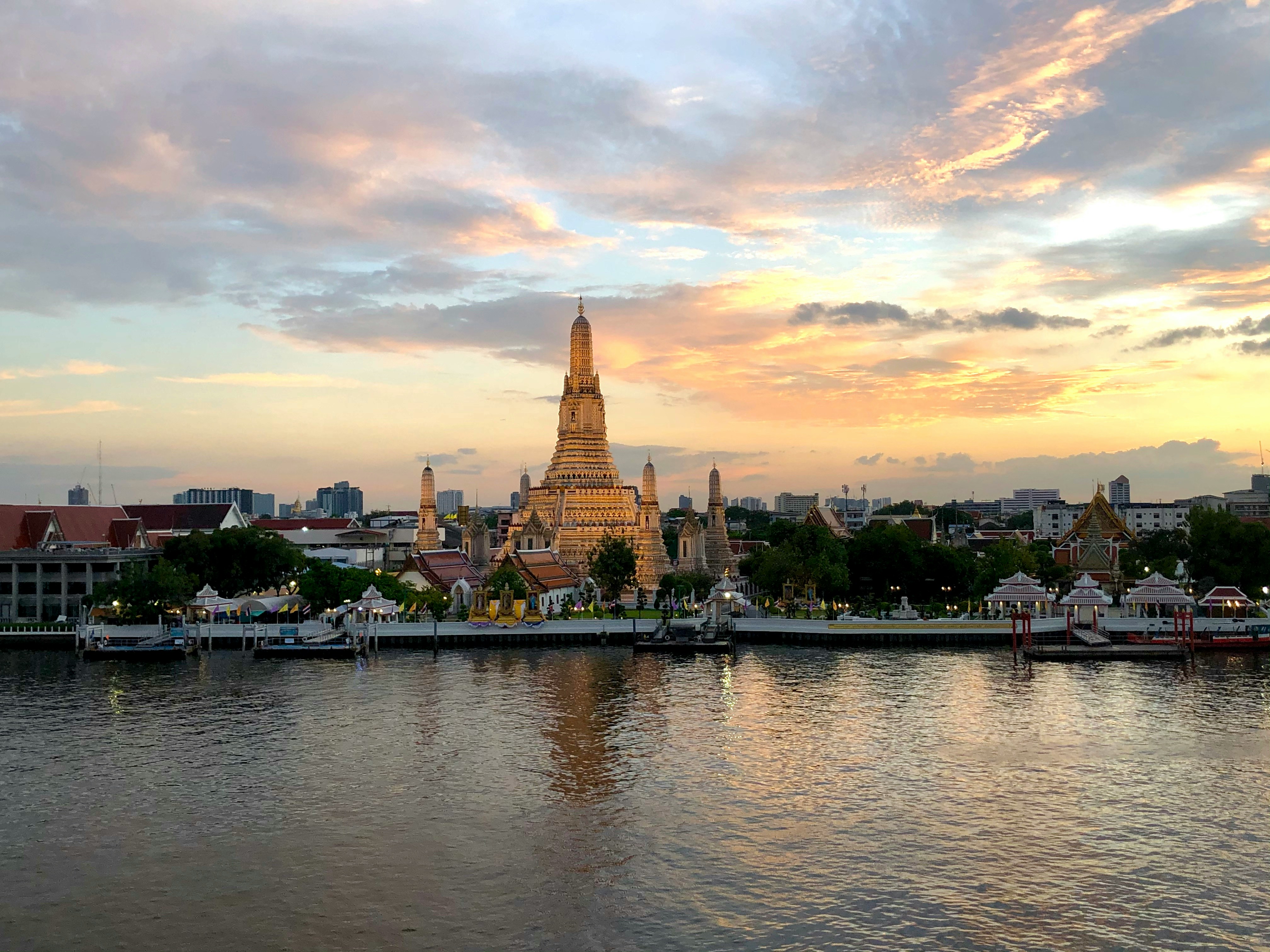
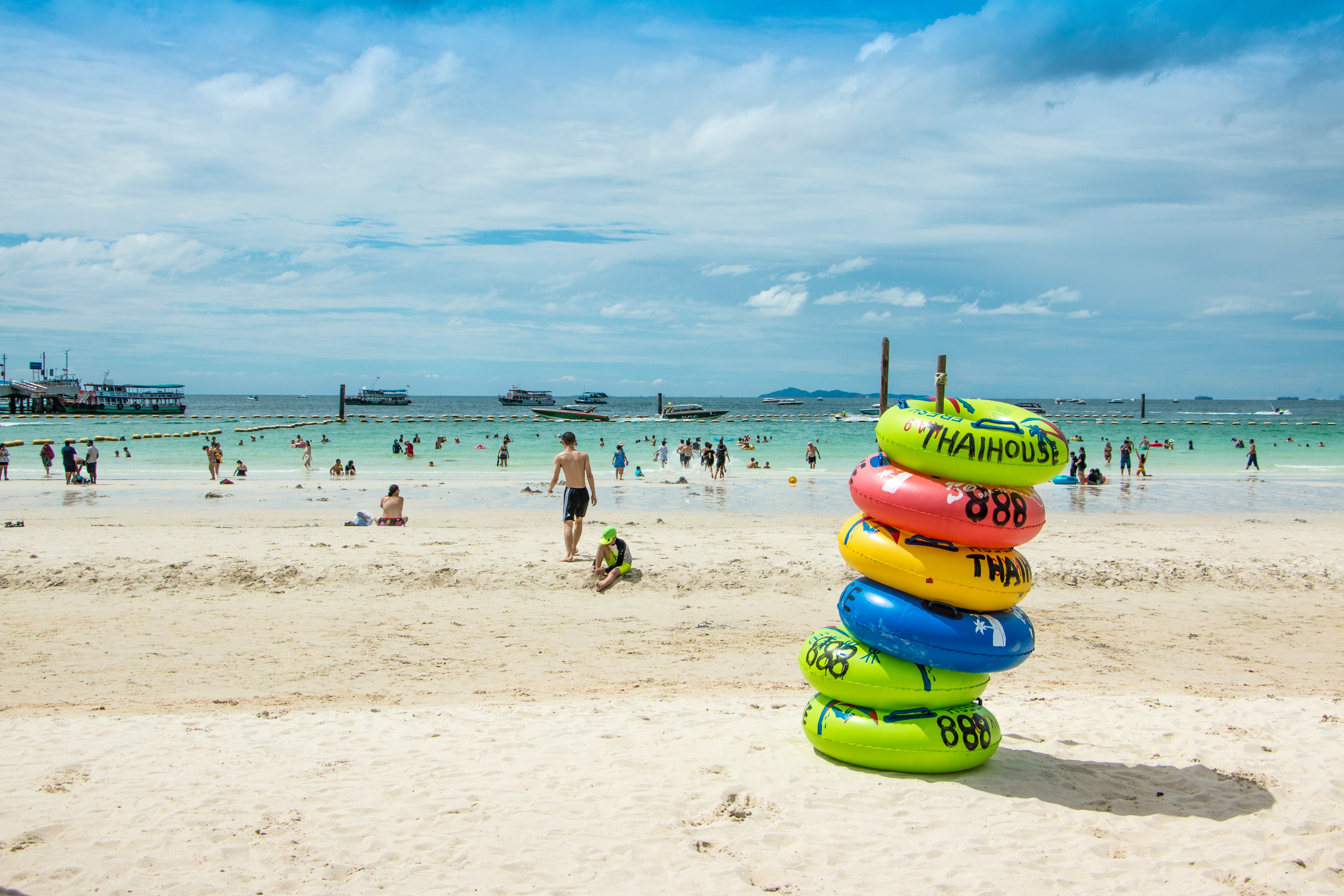
A beautiful Thai temple in Chiang Mai under a cloudy sky

Thailand

Chiang Mai

Best Time
November to February (cool and dry season)
Daily Budget
$25-80 USD
Language
Thai (Northern Thai dialect also spoken; English widely understood in tourist areas)
Timezone
UTC+7

About

Discover Chiang Mai

Chiang Mai, nestled in a broad valley in northern Thailand surrounded by forested mountains, is one of Southeast Asia's most captivating cities. Founded in 1296 as the capital of the ancient Lanna Kingdom, the city has preserved its heritage in ways few Thai cities have managed. The historic Old City sits within a square moat, its interior still dotted with more than 30 active Buddhist temples, many featuring the distinctive tiered rooflines and gilded spires of Lanna architecture.

Modern Chiang Mai wraps gracefully around this ancient core. The Nimman neighbourhood, just west of the Old City, has become the city's creative hub — packed with independent cafés, art galleries, boutique shops, and contemporary restaurants. The Night Bazaar district along Changklan Road draws visitors every evening with its sprawling stalls of handicrafts, silk, silverwork, and street food. Sunday Walking Street on Wualai Road and Saturday Walking Street on Wua Lai are among the best night markets in Thailand.

Beyond the city, Chiang Mai province offers an extraordinary range of experiences. Doi Suthep mountain rises directly behind the city, its peak crowned by Wat Phra That Doi Suthep, arguably the most iconic temple in northern Thailand. Doi Inthanon National Park, home to Thailand's highest peak at 2,565 metres, lies about 90 kilometres to the south and rewards visitors with twin royal chedis, cloud forests, and some of the best birdwatching in the country. The misty hill town of Pai, roughly 130 kilometres northwest through mountain passes, has become a favourite retreat for travellers seeking a slower pace.

Chiang Mai is also one of Thailand's leading destinations for ethical elephant experiences. Several sanctuaries outside the city allow visitors to spend time with rescued elephants in a responsible, hands-on setting. Beyond elephants, the region offers jungle trekking, whitewater rafting, rock climbing, mountain biking, and zipline adventures.

The city's food scene is defined by northern Thai cuisine — khao soi (a rich coconut curry noodle soup), sai ua (herbed northern sausage), nam prik noom (green chilli dip), and gaeng hang lay (Burmese-influenced pork curry). Cooking classes are widely available and rank among the most popular activities for visitors. With excellent international flight connections through Chiang Mai International Airport, a wide range of accommodation from budget hostels to world-class resorts, and a genuinely welcoming atmosphere, Chiang Mai remains one of the most rewarding stops on any Southeast Asia itinerary.

When to Go

Best Time to Visit Chiang Mai

Chiang Mai's northern, elevated setting gives it a cooler climate than Bangkok and a clearer seasonal rhythm. The cool dry season from November to February is the ideal time — warm days, chilly evenings and clear mountain views. This is peak season for good reason.

  • Nov–FebCool & dry — the best time. Days 25–30 °C, evenings can drop to 15 °C. Book ahead for Yi Peng lantern festival (November) and peak season.
  • Mar–MayHot season — 35–40 °C and the burning-season smoke from farm fires can cloud the air in March–April. Water fights of Songkran (mid-April) are a blast.
  • Jun–OctRainy (green) season — hot, humid and lush, with short afternoon downpours. The cheapest, quietest and greenest time to visit.

Attractions

Things to Do in Chiang Mai

Chiang Mai blends ancient Lanna culture, mountain adventures and a world-class food and café scene at a slower pace than Bangkok. Three to five days lets you do the city and a hill trek. For more, see the Chiang Mai travel guide.

The Old City & Its Temples

A moated square of lanes, gates and hundreds of gilded temples. Don't miss Wat Chedi Luang (the ruined earth-brick stupa), Wat Phra Singh (the city's most revered Buddha) and Wat Chiang Man, the oldest. Rent a bicycle or wander — it's compact and flat.

Temple entry 20–50 THB (~$0.60–1.45). Dress modestly — cover shoulders and knees.

Doi Suthep & Wat Phra That

The golden mountaintop temple gleaming above the city — climb the 306-step naga stairway (or take the funicular) for the gilded chedi, bells and a sweeping view over Chiang Mai. The most iconic image of northern Thailand; best at sunrise or sunset.

Entry 30 THB (~$0.85); 15 km from the centre — songthaew or a winding scooter ride up.

Elephant Sanctuary Visit

Northern Thailand is the heartland of ethical elephant tourism. Skip the riding camps and choose a genuine sanctuary (Elephant Nature Park is the gold standard) where you feed, walk with and observe rescued elephants in their natural setting. A half- or full-day, book ahead.

From ~2,500 THB ($72)/day including transport and lunch.

Night Bazaar & Sunday Walking Streets

Chiang Mai's night markets are legendary. The Sunday Walking Street turns the Old City into a pedestrian festival of handicrafts, food and live music; the Saturday Wua Lai is its silver-craft counterpart; the nightly Night Bazaar runs all week. Bargain with a smile.

Thai Cooking Class

Chiang Mai is the best-value place in Thailand to learn to cook Thai food. A half-day class visits a local market, then teaches you to make curry pastes from scratch, pad thai, som tum and mango sticky rice — you eat everything you cook.

Half-day classes from ~1,000 THB ($29), including market tour and meals.

Hill-Tribe Trekking & Doi Inthanon

The mountains north of the city are home to Karen, Hmong and Lisu villages, waterfalls and rice terraces. Multi-day treks combine hiking, homestays and elephant-free culture; day-trippers can reach Thailand's highest peak, Doi Inthanon, and its twin royal pagodas.

Transport

How to Get Around Chiang Mai

Chiang Mai is far more relaxed than Bangkok — no metro, but a compact centre and cheap, friendly transport. The Old City is walkable; for further afield use songthaews, ride-hail or a rented scooter.

  • Grab & BoltApp cars and bikes with set fares — the easiest way around for visitors. Car rides 50–120 THB ($1.45–3.45); GrabBike from ~40 THB.
  • Songthaew (red trucks)The shared red pick-up taxis that ply the city — flag one for ~30 THB ($0.85) a ride within the centre; agree the price before getting in.
  • Scooter rentalPopular for Doi Suthep and the surrounding countryside — ~200–300 THB ($6–8.50)/day. Only if you're experienced; traffic is calmer than Bangkok but still busy.
  • Walking & cyclingThe Old City is flat, moated and a pleasure to walk or pedal. Many cafés and temples are minutes apart.
  • Tuk-tukAvailable but pricier per kilometre than a Grab car — negotiate the fare first.

Chiang Mai Airport (CNX) is 15 minutes from the Old City. From here, head into the northern hills to Pai and Chiang Rai, cross into Laos to Luang Prabang, or fly south to Bangkok and the islands.

Accommodation

Where to Stay in Chiang Mai

Chiang Mai has the best value accommodation in Thailand — boutique guesthouses, hostels and resort villas for a fraction of Bangkok or island prices. The Old City is the natural base; the riverside is the splurge.

Old City — best for first-timers & culture

Inside the moat — walkable to the temples, Sunday market, cafés and cooking schools. Guesthouses, hostels and boutique hotels at every budget. The default choice for a short stay.

Nimmanhaemin (Nimman) — best for cafés & nightlife

The trendy modern district west of the Old City — specialty coffee, design stores, rooftop bars and One Nimman mall. A favourite of digital nomads and younger travellers.

Riverside — best for luxury & calm

The leafy Ping River banks host the city's five-star resorts and spa hotels — quiet, romantic and a short ride into the centre. The splurge pick for a special trip.

Hang Dong / Canal Road — best for resorts & nature

South-west towards Doi Suthep — resort villas, rice-field retreats and bigger properties. Quieter and further out, ideal if you want space and mountain air.

For budget stays, see our best hostels in Chiang Mai under $20 guide.

Food & Drink

What & Where to Eat in Chiang Mai

Chiang Mai is the home of northern Lanna cuisine — richer, earthier and more herb-driven than central Thai food, with its own must-try dishes. And the markets and cafés are superb.

Khao soi — the signature northern curry noodle soup, a creamy coconut curry over soft noodles with a crunchy fried-noodle topping. Try it at Khao Soi Khun Yai or Khao Soi Mae Sai. Sai ua — the smoky northern Thai sausage. Nam ngiao — a spicy tomato-pork noodle soup from the Shan.

The khantoke feast is the traditional Lanna dinner — a spread of northern dishes served on a low pedestal tray with cultural dance. Round it off with mango sticky rice and northern-style tea.

  • Sunday Walking StreetThe Old City's weekly food-and-craft festival — the best street food in one walkable place.
  • Warorot (Kad Luang) MarketThe bustling old covered market — local food, spices, sai ua sausage and northern snacks.
  • Nimman cafésSpecialty coffee and brunch capital of Thailand — world-class roasters and design cafés.

Plan Your Trip

Practical Tips & Budget

Most Western passport holders get 60 days visa-free. The currency is the Thai baht (THB). English is widely spoken in the tourist areas. Bring a light jacket for cool-season evenings — it genuinely gets chilly. Ride-hail apps and songthaews make getting around simple.

How much does Chiang Mai cost?

  • Budget$18–30/day — hostel dorm ($6–12), street food ($1.50–3), songthaews and temple-hopping.
  • Mid-range$35–70/day — a boutique Old City hotel, a cooking class and an elephant sanctuary day.
  • Luxury$100+/day — a riverside resort, spa days and private guiding.

Good to know

  • Elephant ethics: Avoid any camp that offers riding, painting or performances — choose observation-only sanctuaries.
  • Burning season: Check air quality (AQI) in March–April — smoke can be heavy; pack an N95 mask or reschedule.
  • Temple etiquette: Cover shoulders and knees, remove shoes to enter halls, and never point your feet at a Buddha image.
  • Apps: Grab and Bolt for rides; Google Translate with Thai offline.
  • Tipping: Not expected; rounding up appreciated.

Ready to plan a route? Pair this with our 5 days in Chiang Mai itinerary and the Thailand budget travel guide.

Powered by Trip.com

Find Hotels in Chiang Mai

DestinationChiang Mai, Thailand
Check-in
Check-out

Where to Stay

Stays in Chiang Mai

View all hotels

Luxury

Four Seasons Resort Chiang Mai
· Mae Rim

Four Seasons Resort Chiang Mai

Set among working rice paddies in the Mae Rim valley north of the city, the Four Seasons Chiang Mai is one of Thailand's most celebrated resorts. Pavilion-style suites and residences are arranged around a tropical garden, with a cooking school, two pools, and a world-class spa completing the experience.

€€€View rates
Raya Heritage
· Mae Rim / Ping River

Raya Heritage

A boutique luxury resort of 38 suites sitting on the banks of the Ping River about 30 minutes from the city centre. The property celebrates Lanna culture through handwoven textiles, pottery, and woodcarvings, and many suites have private pools.

€€€View rates
Anantara Chiang Mai Resort
· Riverside

Anantara Chiang Mai Resort

Occupying a historic plot on the west bank of the Mae Ping River, the Anantara Chiang Mai blends contemporary design with references to the city's colonial trading past. The resort features an outdoor pool, full-service spa, and award-winning dining overlooking the river.

€€€View rates
U Nimman Chiang Mai
· Nimman

U Nimman Chiang Mai

A design-forward five-star hotel at the heart of the Nimman creative district, steps from One Nimman plaza and Maya Mall. The hotel features a rooftop bar with city views, a large outdoor pool, and a popular breakfast spread.

€€€View rates

Boutique

137 Pillars House
· Watgate / East Bank

137 Pillars House

A Small Luxury Hotels property on the east side of the Ping River, 137 Pillars House occupies a beautifully restored colonial-era compound centred around the original teak pillar house of British trading firm Borneo Company. Thirty elegant suites surround a pool and lush gardens.

€€€View rates
The Inside House
· Old City

The Inside House

One of the Old City's most acclaimed boutique hotels, The Inside House blends minimalist design with traditional Lanna craftsmanship. Rooms are spacious and serene, and the property consistently earns some of the highest guest ratings in Chiang Mai.

€€€View rates
Na Nirand Romantic Boutique Resort
· Riverside / Chang Khlan

Na Nirand Romantic Boutique Resort

A tranquil riverside retreat on Charoen Prathet Road, Na Nirand is designed for couples seeking privacy and elegance. All rooms are individually decorated with northern Thai textiles, and the resort features a private pool, garden, and spa.

€€€View rates
Ping Nakara Boutique Hotel and Spa
· Riverside / Night Bazaar

Ping Nakara Boutique Hotel and Spa

An intimate 19-room hotel on Charoenprathet Road, Ping Nakara is housed in a striking French colonial-style building with soft yellow facades and lacy ironwork. The property has a serene garden pool area and a highly regarded spa.

€€€View rates

Budget

The Common Hostel
· Old City

The Common Hostel

One of Chiang Mai's most popular social hostels on Singharat Road in the Old City, The Common offers clean dorm and private rooms, a lively café and coffee shop, and a free breakfast that consistently earns high praise. It is adults-only and attracts a friendly, sociable crowd.

Experiences

Things to do in Chiang Mai

View all activities
adventureFull day

Doi Suthep Temple, Sticky Waterfall & Local Village Tour

A full-day guided tour combining three of Chiang Mai's most popular natural and cultural highlights. Visit the iconic Wat Phra That Doi Suthep on the mountainside, swim in the travertine Sticky Waterfall where water creates natural grip underfoot, and walk through a traditional hill tribe village.

€€€Book
culture4 hours

Old City Tuk-Tuk Tour

Explore Chiang Mai's historic walled Old City by tuk-tuk on this four-hour private tour. A local guide escorts you to the most significant temples including Wat Chedi Luang and Wat Phra Singh, weaving through narrow lanes and explaining the history and symbolism of Lanna Buddhist architecture.

€€€Book
food3-4 hours

Chiang Mai Street Food Tuk-Tuk Night Tour

An evening food-focused tour by tuk-tuk through Chiang Mai's street food scene, visiting night markets and local food stalls to sample northern Thai specialities such as khao soi, sai ua, mango sticky rice, and fresh papaya salad. A popular way to taste authentic local flavours with a guide.

€€€Book
cultureFull day

Buddhist Lifestyle at Dawn Tour

Rise before sunrise for an immersive full-day experience rooted in northern Thai Buddhist tradition. Join monks for alms-giving, meditate at a hilltop temple, visit a monk community, and learn about the daily rituals that have shaped Lanna culture for centuries.

€€€Book
natureFull day

Doi Inthanon & Pha Chor Private Day Tour

A private van tour to two of Chiang Mai's most dramatic natural landscapes. Doi Inthanon National Park is home to Thailand's highest peak, twin royal chedis above the clouds, and rich birdlife. Pha Chor is a little-known canyon of eroded clay pillars resembling a Thai version of Utah's hoodoos.

€€€Book
natureFull day

Private Day Trip to Pai

A full-day private car journey to Pai, a bohemian mountain town 130 kilometres northwest of Chiang Mai. The route through the Mae Hong Son Loop offers sweeping valley views, and in Pai you visit the bamboo bridge, white Buddha, and local hot springs.

€€€Book
cultureFull day

Private Full-Day Tour to Chiang Rai

A private van tour to Chiang Rai, covering the ethereal White Temple (Wat Rong Khun), the unusual Black House (Baan Dam Museum), and the Blue Temple. Chiang Rai is approximately three hours from Chiang Mai and makes for a memorable full-day excursion.

€€€Book
adventure2-3 hours

Pongyang Jungle Coaster and Zipline

An outdoor adventure at the Pongyang Zipline park north of Chiang Mai, featuring a jungle coaster that runs 1.2 kilometres down a forested hillside, plus multiple zipline platforms high above the tree canopy. The Silver Package offers several hours of guided aerial thrills.

€€€Book
cultureHalf day

Half-Day Tour to Doi Suthep & Hmong Hill Village

A condensed half-day tour ascending Doi Suthep mountain to visit Wat Phra That Doi Suthep, one of northern Thailand's holiest shrines, before continuing to a White Hmong hill tribe village where traditional weaving and craft demonstrations offer an insight into highland life.

€€€Book
cultureFull day

Old City Trishaw Ride Tour

Explore Chiang Mai's Old City and riverside neighbourhoods on a full-day guided tour by traditional trishaw. This leisurely pace allows for unhurried stops at temples, local markets, and hidden lanes that larger tour vehicles cannot access.

€€€Book
natureFull day

Bua Thong Waterfall & Handicraft Village Tour

Visit the extraordinary Bua Thong Sticky Waterfall, where travertine limestone makes it possible to walk up the cascades barefoot, followed by a visit to a traditional handicraft village where artisans produce celadon pottery, silk, and silverwork.

€€€Book
adventureFull day

Mae Kampong Village Full-Day Trip

A full-day private transfer to Mae Kampong, a remote hill village 50 kilometres east of Chiang Mai surrounded by coffee and tea plantations. The village offers wooden stilt-house homestays, forest walks, and a chance to see a community that has preserved its traditional way of life.

€€€Book

Information

Good to know

When is the best time to visit Chiang Mai?
The best time to visit Chiang Mai is from November to February, when the weather is cool and dry with temperatures between 15–28°C. March and April bring the hot season and the annual burning season, when smoke from agricultural fires can severely affect air quality. The wet season runs from May to October, with heavy but usually brief afternoon rains and lush green landscapes.
Is Chiang Mai safe for tourists?
Chiang Mai is considered one of the safest cities in Southeast Asia for visitors. Petty theft and tourist scams (such as overpriced tuk-tuk rides or gem scams) are the main concerns to be aware of. Road safety is a more significant risk — traffic on motorbikes and scooters accounts for many tourist injuries. Standard precautions such as securing belongings and using reputable transport services apply.
How much does a trip to Chiang Mai cost?
Chiang Mai is one of the most affordable destinations in Southeast Asia. Budget travellers staying in hostels and eating at local markets can get by on USD 25–35 per day. Mid-range travellers comfortable with guesthouses and casual restaurants typically spend USD 50–80 per day. Those staying in boutique hotels and enjoying tours and spa treatments should budget USD 100–200 or more per day.
How do I get around Chiang Mai?
The most common ways to get around Chiang Mai are the red songthaew (shared pickup truck taxis), tuk-tuks, and ride-hailing apps such as Grab. Renting a motorbike or bicycle is popular among experienced riders for exploring the Old City and nearby areas. For day trips to Doi Suthep, Doi Inthanon, or Pai, hiring a private driver or joining a guided tour is the most convenient option.
Do I need a visa to visit Chiang Mai?
Visa requirements depend on your nationality. Citizens of many countries including the US, UK, EU member states, Australia, and Canada receive a 60-day visa-exempt entry upon arrival in Thailand (as of 2025 policy). Nationals of other countries may need to apply for a tourist visa in advance. Always verify current requirements with the Thai embassy or consulate in your country before travelling.
What food is Chiang Mai known for?
Chiang Mai is the home of northern Thai cuisine, which differs significantly from the food found in Bangkok or beach regions. Must-try dishes include khao soi (egg noodles in a rich coconut curry broth), sai ua (spiced northern pork sausage), nam prik noom (roasted green chilli dip served with vegetables and pork rinds), and gaeng hang lay (a dark, tangy pork belly curry with Burmese roots). The city's night markets and Sunday/Saturday walking streets are ideal for trying a wide variety of these dishes.
Are there dress codes I should follow when visiting temples?
Yes. When visiting Buddhist temples in Chiang Mai, visitors are expected to cover their shoulders and knees. Lightweight scarves or sarongs can be purchased inexpensively near temple entrances if needed. Shoes must be removed before entering temple buildings. It is also important to be respectful of ongoing religious ceremonies, speak quietly, and avoid pointing feet toward Buddha images or monks.
How many days do you need in Chiang Mai?
A minimum of three days allows you to explore the Old City temples, visit Doi Suthep, enjoy a cooking class, and browse the night markets. Five to seven days gives you time to visit an elephant sanctuary, take a day trip to Doi Inthanon National Park, explore the Nimman neighbourhood, and perhaps fit in a trekking excursion or a side trip to Pai. Many digital nomads and long-stay travellers choose Chiang Mai for weeks or months at a time due to its low cost of living and quality of life.

Thailand

More in Thailand

View all destinations in Thailand

Nearby

Explore more