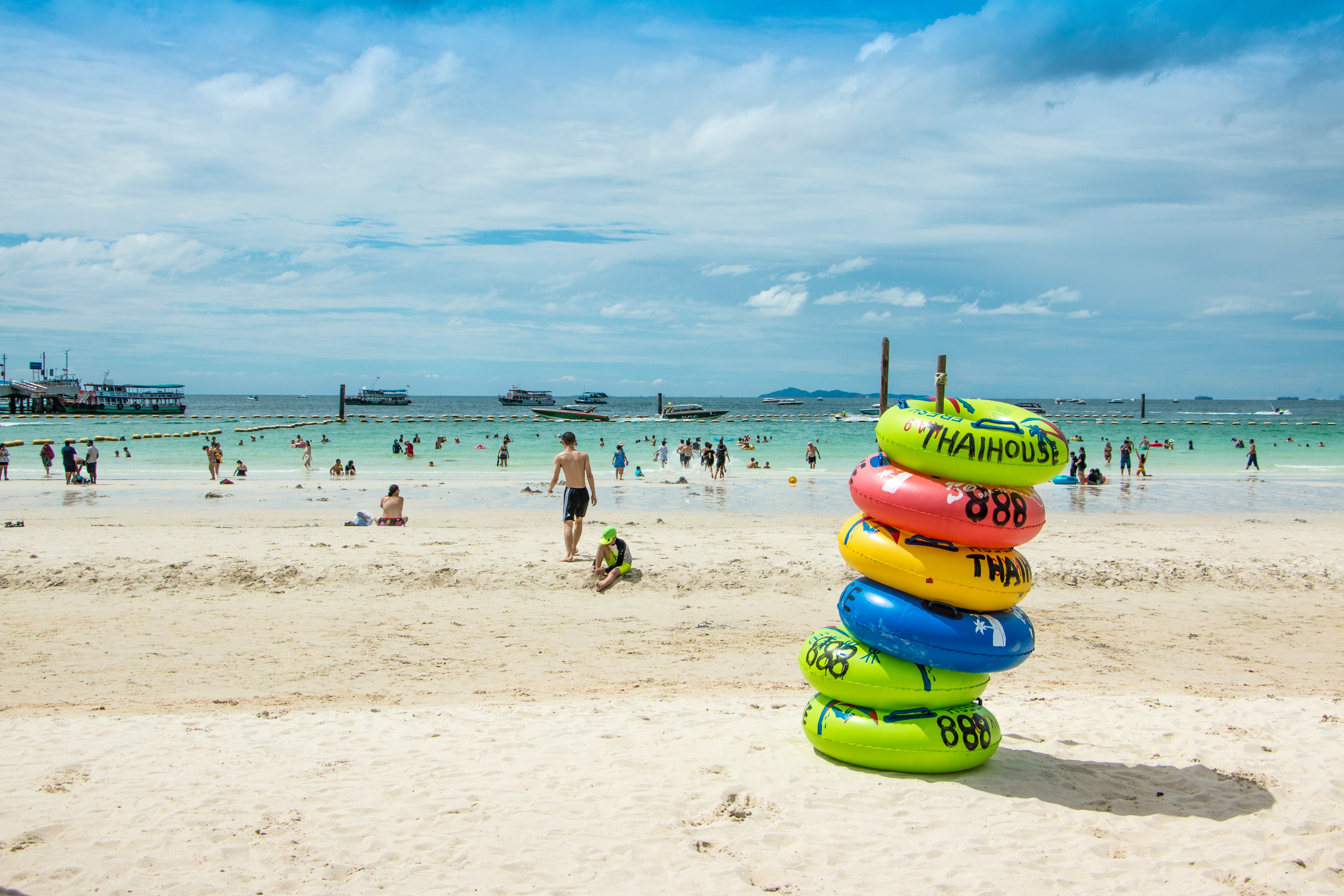
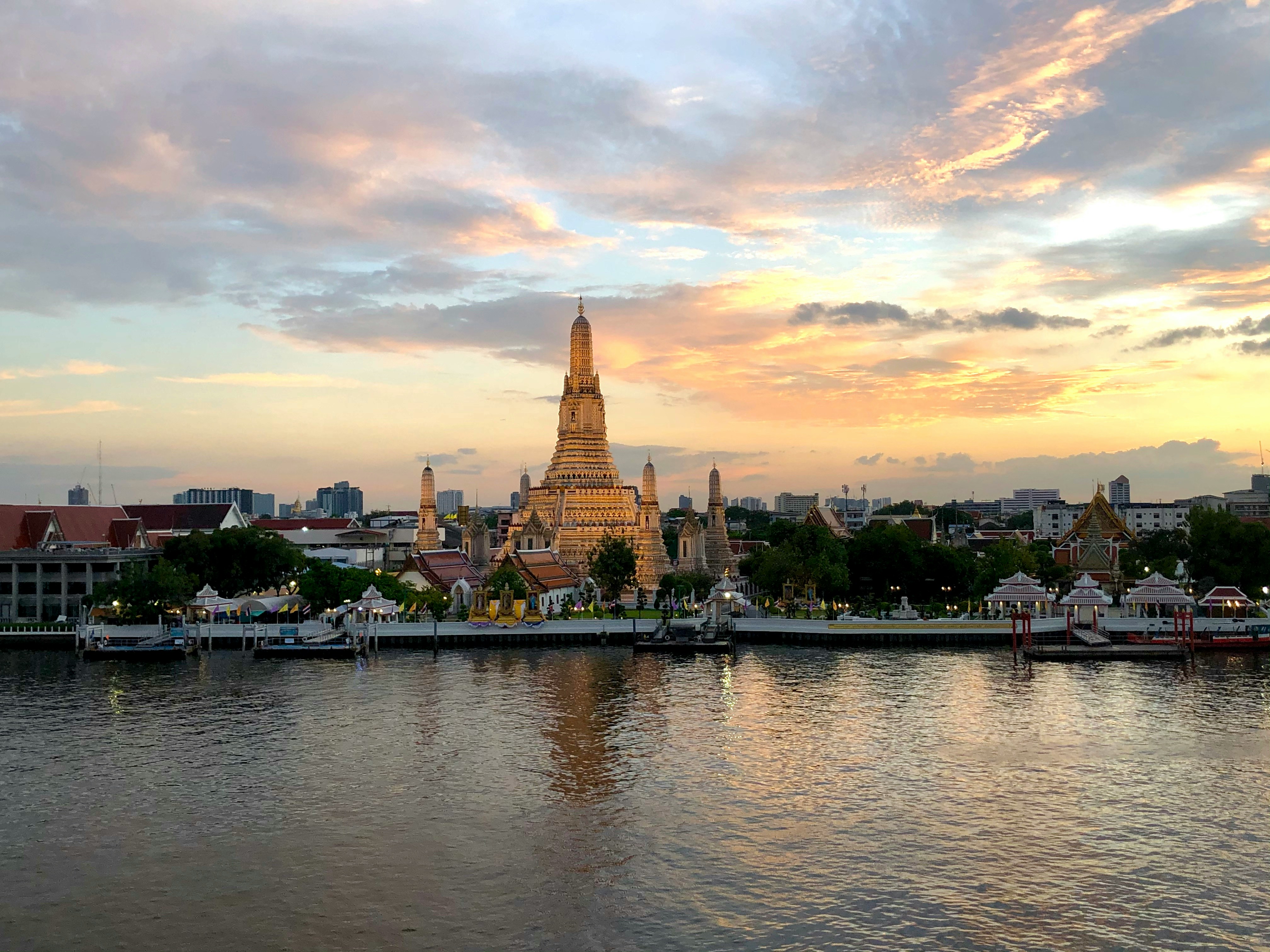
The island receives approximately four million visitors annually and has direct international flight connections through Koh Samui Airport (USM), making it one of the most accessible Thai island destinations.
Chaweng Beach, on the island's east coast, is the most developed and popular stretch of sand, lined with hotels, restaurants, bars, and shopping areas. It is lively during peak season but can feel crowded. Lamai Beach, the second-largest, is a few kilometres south and has a similar profile but with a slightly quieter character. On the north coast, Bophut is home to the Fisherman's Village, a preserved street of old Chinese shophouses converted into boutique restaurants and guesthouses, which hosts a popular walking market on Friday evenings.
The island's natural highlights include the Hin Ta and Hin Yai rocks near Lamai - unusual rock formations with a local legend attached - and Na Muang Waterfall in the island's jungle interior, accessible by short hike. The Big Buddha temple at Bang Rak, featuring a 12-metre golden statue on a small island connected by a causeway, is the most visited religious site.
Koh Samui is also the primary departure point for excursions to the surrounding Gulf islands. Ang Thong Marine National Park, an archipelago of 42 limestone islands about 31 km northwest, is known for its emerald lagoons and dramatic scenery and is visited by speedboat day tours. Koh Pha Ngan, famous for its Full Moon Party on Hat Rin Beach, is a 30-minute ferry ride north. Koh Tao, a top scuba diving and snorkelling destination, is around two hours by catamaran.
The island has two airports: Koh Samui Airport (USM), operated by Bangkok Airways and handling domestic and some international flights, and the original location accessible from the mainland by ferry and bus from Surat Thani. The dry season runs from December to April, with the northeast monsoon bringing the heaviest rain to Koh Samui from October to December - the inverse of the Andaman coast pattern. June to August is generally drier and good for travel.