The island is defined by dramatic contrasts. Along its coastline, you'll find world-class surf breaks at Uluwatu and Padang Padang, white-sand beaches in Nusa Dua, and the relaxed shores of Sanur. Inland, the landscape transforms into verdant jungle, volcano-ringed lakes, and the terraced paddy fields of Tegalalang and Jatiluwih that UNESCO has recognised as part of a World Heritage landscape. At the island's volcanic heart, Mount Batur and Mount Agung offer challenging treks with extraordinary sunrise views.
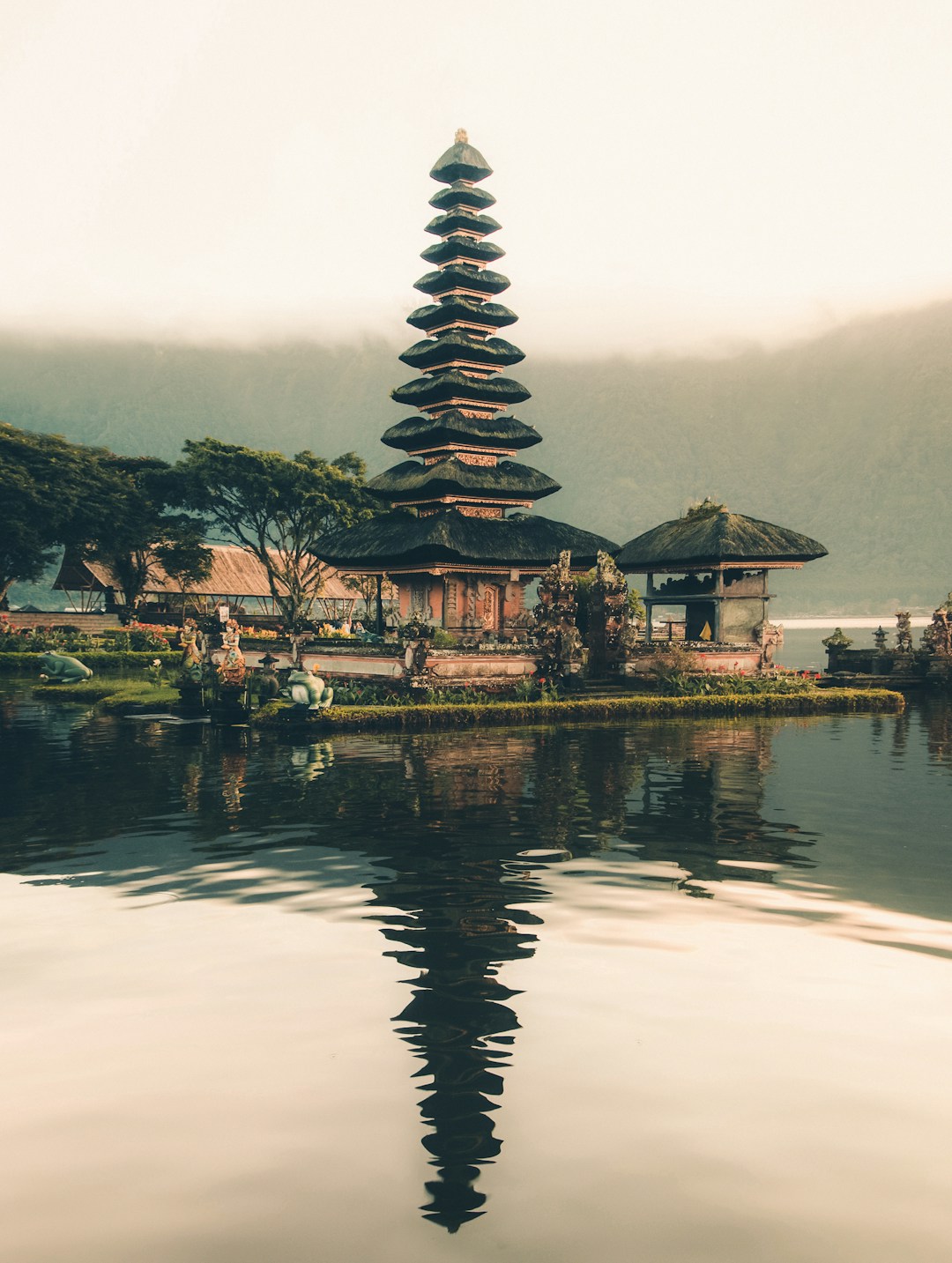
Bali's Hindu culture - unique in the predominantly Muslim Indonesia - permeates every corner of daily life. Intricate temple offerings are placed each morning at doorsteps and shrines. The air is scented with incense near elaborate stone gates. Festivals, processions, and ceremonies take place throughout the year, often spilling into the streets with gamelan music, elaborate costumes, and ritual dance. Pura Besakih, the island's mother temple on the slopes of Mount Agung, and Tanah Lot, the sea temple perched on a coastal rock, are among the most iconic spiritual sites.
The island is divided into distinct travel zones, each with its own character. Seminyak and Canggu attract a design-conscious, surf-culture crowd, lined with boutiques, beach clubs, and acclaimed restaurants. Ubud is the cultural and wellness heartland, offering cooking classes, traditional dance performances, yoga retreats, and galleries of Balinese art. Nusa Dua is the enclave of grand resort hotels with calm swimming beaches. Uluwatu and the Bukit Peninsula draw surf pilgrims and luxury travellers seeking clifftop villas with Indian Ocean panoramas.
The island's food scene has evolved dramatically, with world-class dining ranging from upscale Indonesian cuisine to international restaurants. Beyond the resorts, local warungs (small eateries) serve nasi goreng, satay, and fresh seafood at very reasonable prices. Getting around Bali is best done by hired driver or rented scooter, as public transport is limited. The dry season runs from April to October and is the best time to visit, though Bali receives travellers year-round.