The city was developed as a hill station by American colonial administrators in the early 20th century, and its street grid, parks, and some of its older buildings still reflect that era of town planning. Camp John Hay, the former American military recreation facility, has been converted into a leisure and commercial complex and remains one of the city's most visited destinations.
Burnham Park, named after city planner Daniel Burnham, is the central green space of Baguio and a focal point for recreation. The park features a boating lake, cycling paths, and open lawns that fill with locals and tourists on weekends. Nearby Session Road is the main commercial artery of the city, lined with shops, cafes, and restaurants and the site of the weekly Baguio City Market.
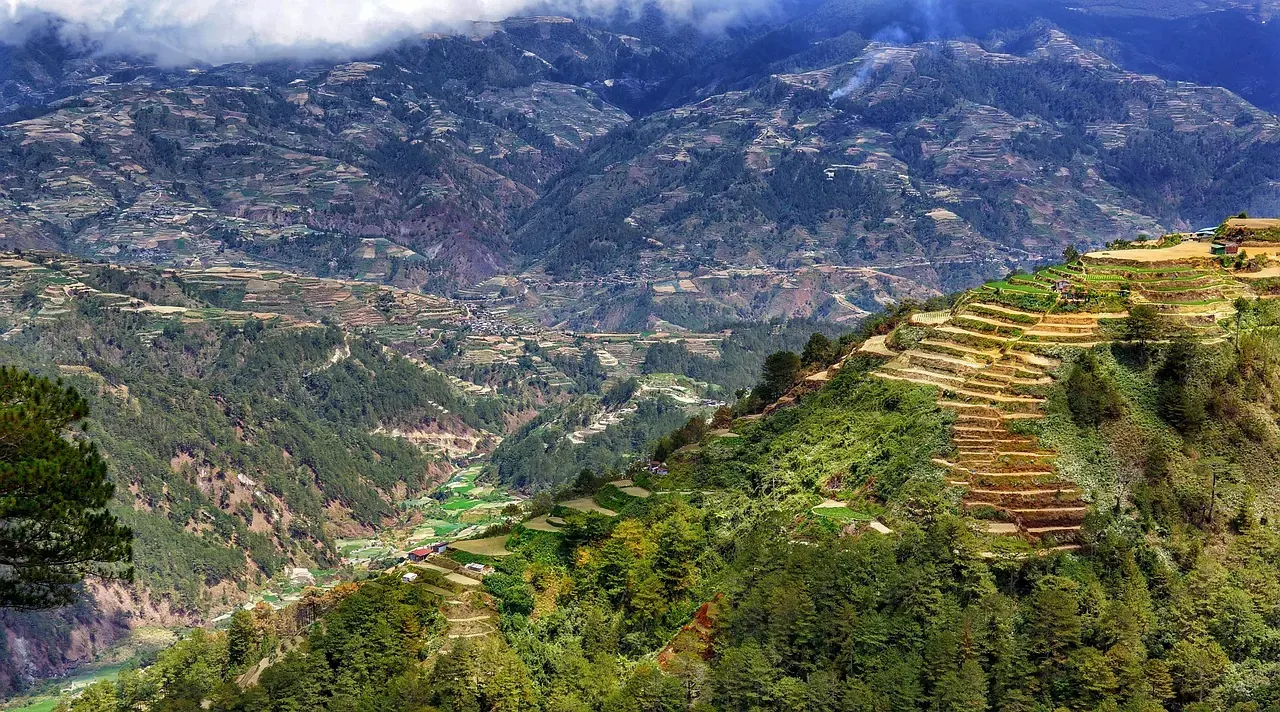
Baguio is the gateway to the Cordillera highlands and the indigenous Igorot communities that have inhabited the mountain region for centuries. The Benguet and Mountain Province areas surrounding Baguio are accessible as day trips, offering terraced rice paddies, weaving villages, and the remarkable Banaue Rice Terraces several hours further north.
The city has a strong arts culture, with numerous galleries, craft markets, and cultural events. The Baguio City Public Market and the Easter Weaving Room are important stops for visitors interested in traditional Cordillera textiles, silver jewelry, and woodcarvings. The Panagbenga Festival, held in February each year, is a major flower festival drawing thousands of visitors with street parades, float competitions, and performances.
La Trinidad, the neighboring municipality just outside Baguio, is home to the strawberry farms that supply much of the Philippines' strawberry production. Visitors can pick their own strawberries and buy fresh produce directly from the farms.
Baguio has no commercial airport and is reached by road from Manila, a journey of approximately five to six hours by bus or private vehicle via the TPLEX and NLEX toll expressways. Victory Liner, Genesis, and Philippine Rabbit operate regular coaches from Manila. The city also serves as a transportation hub for buses heading further into the Cordillera.