
The Banjaran Hotsprings Retreat
Malaysia's premier wellness retreat set within a 22-acre valley of limestone hills, geothermal hot springs, natural caves and rainforest. Private villas with plunge pools and full butler service.
$$$
Malaysia
Updated
At a glance
Ipoh wears its history like a badge of honour. Once one of Malaya's wealthiest cities, built on the fortunes of tin mining, this Perak capital has reinvented itself as one of Malaysia's most beloved destinations - a place where crumbling colonial architecture lines café-packed streets, limestone karst towers loom over Buddhist cave temples, and the aroma of freshly brewed white coffee drifts from kopitiam to kopitiam.
Ipoh is in Malaysia, Southeast Asia, about 180 km north of Kuala Lumpur in a straight line. The closest other destination in our Malaysia guide is Cameron Highlands, roughly 35 km away. Its coordinates are 4.5975° N, 101.0901° E.
| Best time to visit | March - April & July - August |
|---|---|
| Daily budget | US$18-90 per day |
| Currency | Malaysian Ringgit (MYR) |
| Nearest airport | IPH (IATA code) |
| Language | Malay, Cantonese, English |
| Time zone | UTC+8 |
Entry rules vary by passport. Check our Southeast Asia visa requirements guide.
About
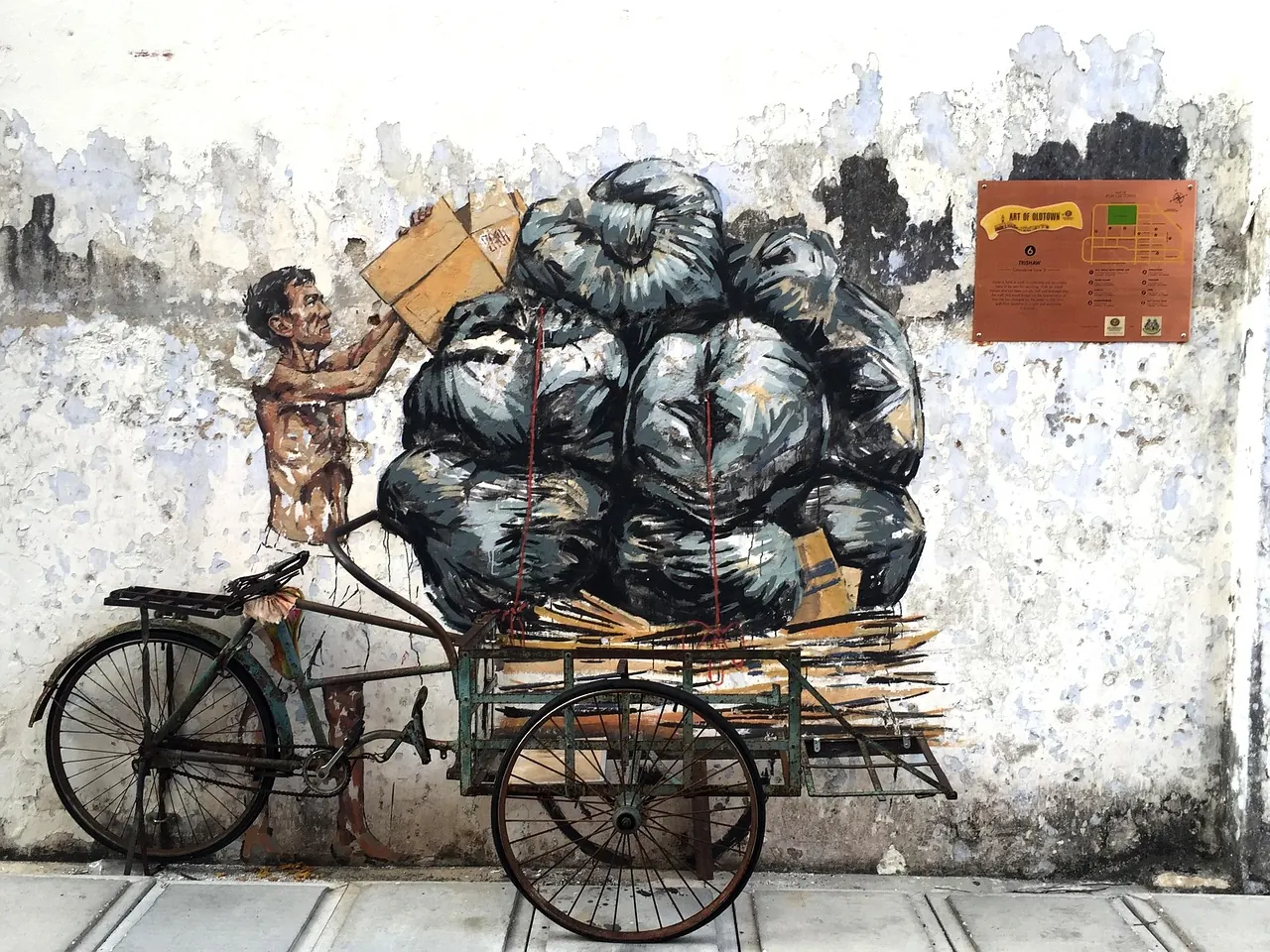
The city divides naturally into two halves on either side of the Kinta River. New Town holds most of the hotels and modern conveniences, while Old Town is where Ipoh truly comes alive. Stroll down Concubine Lane and you'll find a narrow alley of restored shophouses turned into boutiques, cafés and galleries. Wander further and the murals appear: hand-painted wall art that has become Ipoh's visual signature, drawing photographers and social-media travellers from across the region.
Beyond the urban heritage core, Ipoh rewards the curious traveller. The limestone hills that encircle the city are riddled with caves, and several have been transformed into extraordinary temples. Sam Poh Tong, with its tortoise sanctuary and lotus ponds, and Perak Tong, where 40 steps lead to a hilltop viewpoint over the valley, are among the most atmospheric religious sites in peninsular Malaysia.
For family adventure, the Lost World of Tambun delivers a full day of theme-park thrills - water slides, amusement rides, a petting zoo and natural hot springs - all set against dramatic limestone cliffs. Kellie's Castle, the unfinished colonial-era folly 15 km from town, adds a touch of mystery to any itinerary.
Food is central to Ipoh's identity. The local obsession with white coffee - brewed lighter and smoother than the standard Malaysian kopi - dates back decades to the Old Town kopitiam pioneers. Pair it with a bowl of bean sprout chicken, fragrant curry laksa, or a plate of salted chicken for the quintessential Ipoh breakfast. Hawker stalls in areas like Greentown, around Meru Road, and along Hugh Low Street offer street food from morning until late at night.
The best time to visit is during the drier months of March through April and July through August, when the heat is manageable and outdoor exploration is most comfortable. Ipoh sits roughly two hours by car or three hours by train from Kuala Lumpur, making it an easy weekend escape or a worthwhile stop on a journey north towards Penang.
When to Go
Ipoh is hot and humid year-round (~32 °C). The drier spells around March-April and July-August are most pleasant for exploring the cave temples and old town on foot - though sudden tropical downpours can hit any month.
Attractions
Ipoh is Malaysia's food-and-heritage capital - a tin-mining boomtown reborn as a café and street-art destination, ringed by limestone karst and spectacular cave temples. A day or two of eating, exploring and temple-hopping; pair with Cameron Highlands and Penang.
A grid of restored colonial shophouses, banks and the grand Ipoh Railway Station. Follow the murals (Ernest Zacharevic's “Art of Oldtown” trail), Concubine Lane and the Han Chin Pet Soo tin-mining museum. The core Ipoh experience; free to wander.
Self-guided; Han Chin Pet Soo entry by donation (book ahead).
Two spectacular Buddhist cave temples carved into the limestone karst - Perak Tong with its colourful murals and hilltop viewpoint, Kek Lok Tong with its vast cavern, gardens and zen statuary. Cool, atmospheric and photogenic; allow a morning for both.
Free entry; dress modestly.
A cluster of cave temples at Gunung Rapat - the 400-step climb at Sam Poh Tong to a turtle pond, plus the colourful, ornate Ling Sen Tong and the stalactite-filled Ipoh Cave. Combine with the area's pomelo farms for a half-day.
The narrow heritage lanes behind the river - once the haunts of tin tycoons' mistresses, now lanes of boutiques, snack stalls and ice-ball vendors. Lively and photogenic, especially in the evening and on weekends.
A surprisingly fun hot-springs, water park and amusement park in a jungle setting beside limestone cliffs - natural hot-spring pools by day and night, plus a petting zoo and tin-mining heritage area. The family-friendly highlight.
From ~RM80 ($18); open daily, late-night hot springs on weekends.
Just south, Gopeng offers white-water rafting on the Kampar River, cave exploration (Gua Tempurung) and rainforest canopy walks - a day of adventure to balance the city's cafés.
Transport
Ipoh sits on the KL-Penang rail and road corridor - 2 hrs from Kuala Lumpur, 3 hrs from Penang. The old town is walkable; Grab covers the caves and parks.
Ipoh is the midpoint of the west coast - pair it with Kuala Lumpur, the Cameron Highlands and Penang.
Accommodation
Ipoh's signature stay is a restored shophouse boutique in the old town - superb value and charm. Book ahead on weekends when KL visitors arrive.
Shophouse boutique hotels and guesthouses among the murals and white-coffee cafés - walk to everything. The default base.
The commercial district across the river - modern hotels, malls and the best street food, a short walk to the old town.
Resorts around the Lost World of Tambun - hot-spring pools and luxury stays in a jungle-limestone setting. The family/splurge pick.
Cheap hostels and guesthouses in the old town - the base for street-art walks and food tours. From ~RM50 ($11)/night.
Food & Drink
Ipoh is a foodie pilgrimage - the birthplace of Ipoh white coffee and home to some of Malaysia's finest Cantonese-Hakka street food and bean-sprout chicken. Plan to eat constantly.
Ipoh white coffee - the roasted-in-palm-oil coffee drunk with condensed milk, invented here. Nga choy kai - bean-sprout chicken, the city's signature dish. Salted-chicken & heong peng - the local take-home treats.
Vegetarian options are easy at the Chinese vegetarian stalls and Indian restaurants; the old-town cafés cater to all.
Plan Your Trip
Most Western passport holders get 90 days visa-free. The currency is the Malaysian ringgit (MYR). English is widely spoken. Ipoh is hot - do the outdoor sights early, retreat to the air-conditioned cafés at midday. Most sights are free or cheap.
Ready to plan a route? Pair this with the Cameron Highlands and our best hotels in Penang guide.
Powered by Trip.com
Hotels
Malaysia's premier wellness retreat set within a 22-acre valley of limestone hills, geothermal hot springs, natural caves and rainforest. Private villas with plunge pools and full butler service.

Ipoh's flagship city hotel connected directly to Ipoh Parade shopping mall, featuring a rooftop infinity pool, modern rooms with panoramic city views, and acclaimed dining options.

An all-suite lakeside resort on the outskirts of Ipoh, offering spacious suites with lake views, a waterslide park, multiple pools, and easy access to Lost World of Tambun.

A centrally located four-star hotel in the heart of Ipoh, offering well-appointed rooms, a swimming pool, and convenient proximity to Dataran Ipoh and the Old Town heritage quarter.

Ipoh's most iconic urban boutique hotel, housed in a restored pre-war shophouse with 93 eclectic themed rooms, a popular all-day café, a library, and a 24-hour gym near the Old Town.

A charming 12-room Balinese-inspired boutique hotel with private balconies overlooking lush gardens, an in-house spa, complimentary breakfast, and a warm, personalised service ethos.

An intimate heritage guesthouse occupying a beautifully restored colonial shophouse in Old Town, steps from Han Chin Pet Soo Museum, Concubine Lane, and the Kinta River waterfront.

The Station 18 sibling of M Boutique, offering bold monochromatic interiors, a very popular all-day eatery on the ground floor, and great value for a stylish stay near Aeon Station 18.

A reliable four-star business hotel in central Ipoh with smart, comfortable rooms, a swimming pool, and strong ratings for its central location and attentive service.

A well-regarded four-star hotel in the Bandar Meru Raya commercial district, featuring spacious rooms, an outdoor pool, and proximity to Mydin Mall and the Movie Animation Park Studio.

One of Ipoh's long-established four-star hotels, offering 197 well-appointed rooms, two restaurants, a fitness centre, and a convenient location near Ipoh Parade and Memory Lane Market.
A modern serviced hotel with a rooftop infinity pool offering sweeping city and limestone hill views, contemporary studio suites and a central New Town location suited to longer stays.

A no-frills three-star express hotel steps from Ipoh Padang and Masjid India Muslim, ideal for budget-conscious travellers who want a clean, comfortable base in the city centre.

A government-backed budget hotel near Concubine Lane and the Lost World of Tambun area, offering consistently clean, affordable accommodation and easy access to Ipoh's key attractions.
A well-located budget hotel adjacent to Ipoh Parade shopping mall, offering clean and functional rooms at competitive rates, popular with domestic travellers and transit visitors.
A sociable backpacker hostel in Ipoh Old Town, providing dorm and private room options, a communal kitchen, regular heritage walking tour recommendations, and a lively common area.
Experiences
Ipoh's biggest family attraction combines a water park, amusement rides, a petting zoo, and natural geothermal hot springs - all framed by dramatic limestone cliffs. Book skip-the-queue e-tickets in advance for weekend visits.
The largest cave temple in Malaysia, Sam Poh Tong features a serene garden filled with tortoises, lotus ponds and gilded Buddha statues set inside a soaring natural limestone cavern. Free entry; donations welcome.
Explore Ipoh's colonial-era streetscape on foot, passing the iconic Ipoh Railway Station, the FMS Bar mural, Concubine Lane and Mural Lane. Self-guided routes are freely available, and the walk is best done in the cool of the morning.
Taste Ipoh's most famous export at the legendary Old Town kopitiam. Sin Yoon Loong and Nam Heong are the two original establishments on Jalan Bandar Timah, each brewing white coffee since the 1950s alongside kaya toast and half-boiled eggs.
Stroll through Ipoh's famous narrow lane of restored shophouses turned boutiques, cafés and souvenir vendors, then hunt down the hand-painted wall murals depicting local stories scattered throughout the Old Town streets.
A Taoist and Buddhist cave temple 6 km north of Ipoh housing more than 40 Buddha statues. Climb the 385 steps through the cavern to reach a hilltop platform with stunning panoramic views over the Kinta Valley.
The unfinished Moorish-inspired castle built by Scottish rubber planter William Kellie Smith in the 1910s stands as a romantic ruin 15 km south of Ipoh. Its mysterious history - Smith died before completion - and crumbling battlements make for compelling exploration.
Join a local food guide for an evening walking tour through Ipoh's hawker stalls, sampling bean sprout chicken, Hakka mee, curry laksa, salted chicken and a variety of traditional Perak desserts unavailable elsewhere.
Indulge in The Banjaran's world-class spa set within limestone caves and rainforest, combining geothermal hot spring soaks, steam cave therapy and signature Ayurvedic treatments in one of Malaysia's most extraordinary natural settings.
Housed in the beautifully restored building of the Hakka Mining Club (est. 1893), this intimate museum presents the story of Ipoh's Chinese tin miners, their secret societies and the culture that shaped the city's identity. Advance booking required.
Ipoh's Cantonese heritage makes it one of the best cities in Malaysia for morning dim sum. Foh San, the city's most beloved dim sum restaurant, opens at 6 AM and serves over 100 varieties - arrive early to beat the queues.
Rent a bicycle and explore Ipoh's largest urban park, a lush green space with jogging paths, a boating lake, playgrounds and manicured gardens that provides a refreshing contrast to the heritage streets nearby.
FAQ
Malaysia

Malaysia
Cool hill station with tea plantations and strawberry farms.
Malaysia
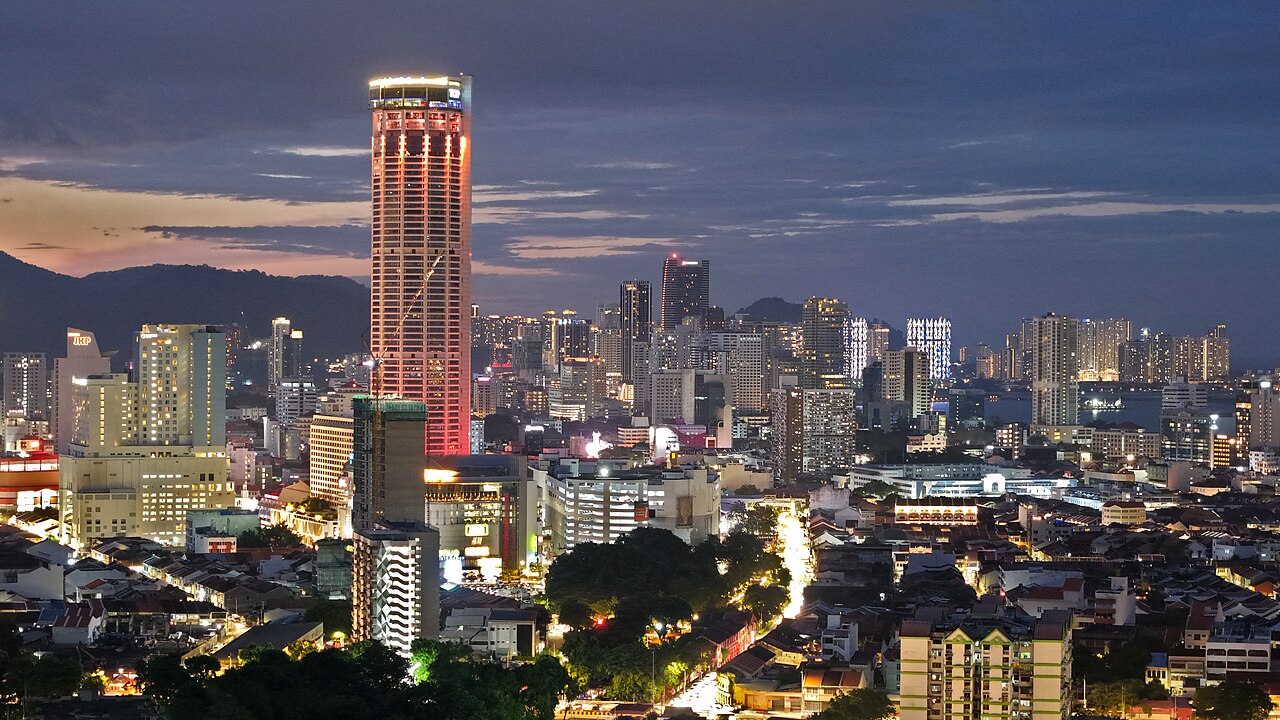
UNESCO heritage, street art, and legendary hawker food.
Malaysia
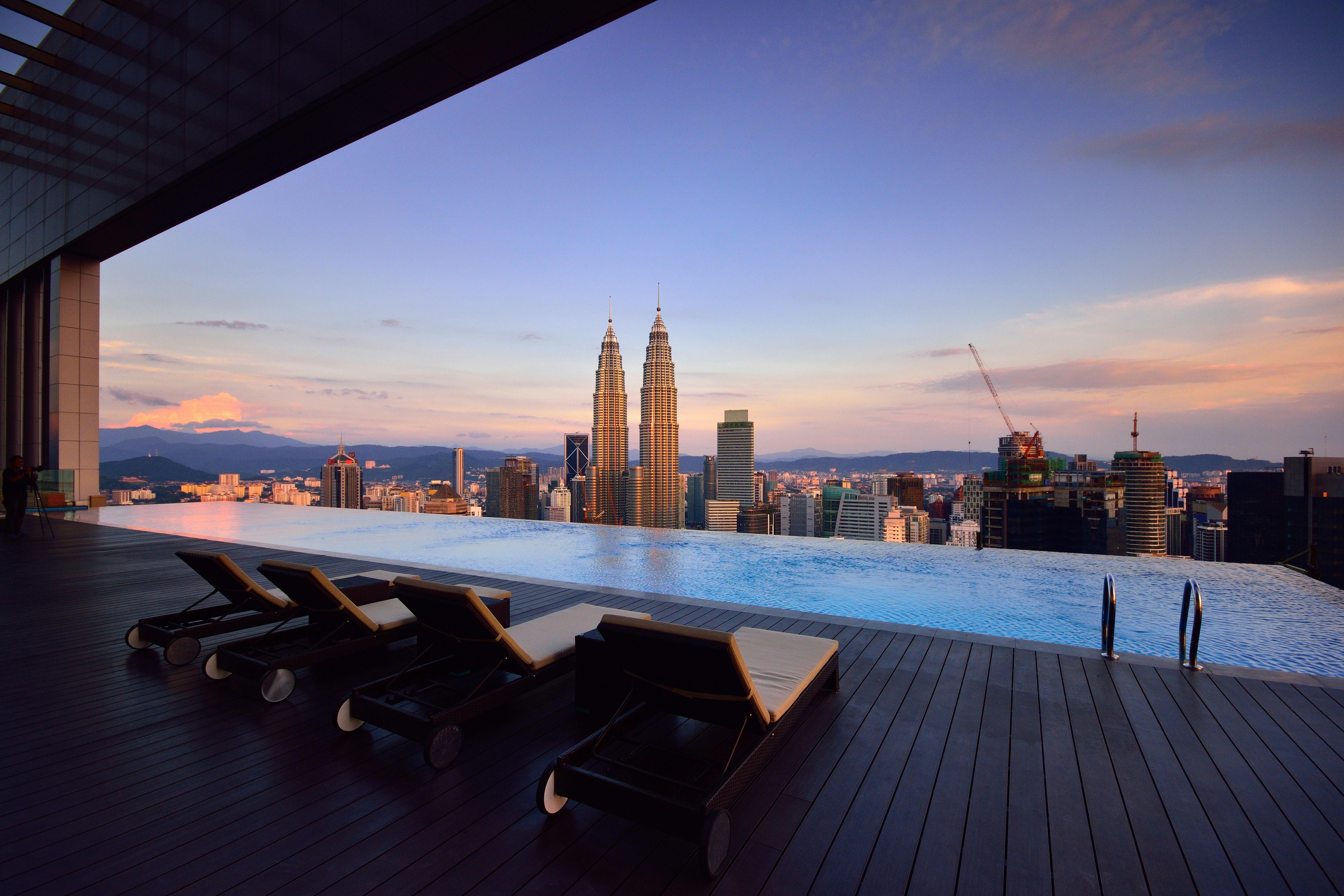
Twin towers, diverse food scene, and cultural melting pot.

Malaysia
Duty-free island with stunning beaches and sky bridge.

Malaysia
Historic trading port with Peranakan heritage and Jonker Street.

Malaysia
Gateway to Singapore with growing food and arts scene.
Nearby