Nov – Feb
$20–$150
Thai
Thai Baht (THB)
CNX
20–35°C
Overview
Chiang Mai at a Glance
Chiang Mai is Thailand's cultural capital — a laid-back city of 300+ temples surrounded by mountains, where ancient Lanna traditions blend with a thriving café and digital nomad scene. It's cooler, cheaper, and more relaxed than Bangkok.
Most travelers spend 3–5 days here, exploring the Old City temples, night markets, ethical elephant sanctuaries, and nearby hill tribe villages. This guide covers what you need to plan the perfect Chiang Mai trip in 2026.
In This Guide
- Must-Sees: Top Things to Do
- Neighborhoods: Where to Stay
- Food: What to Eat
- Transport: Getting Around
- Itinerary: Perfect 3 Days
- Day Trips: Beyond Chiang Mai
- Budget: What You'll Spend
- Tips: Practical Advice
Must-Sees
Top Things to Do
Temples, markets, and the experiences that make Chiang Mai unforgettable.
 SERGEI BEZZUBOV / Unsplash
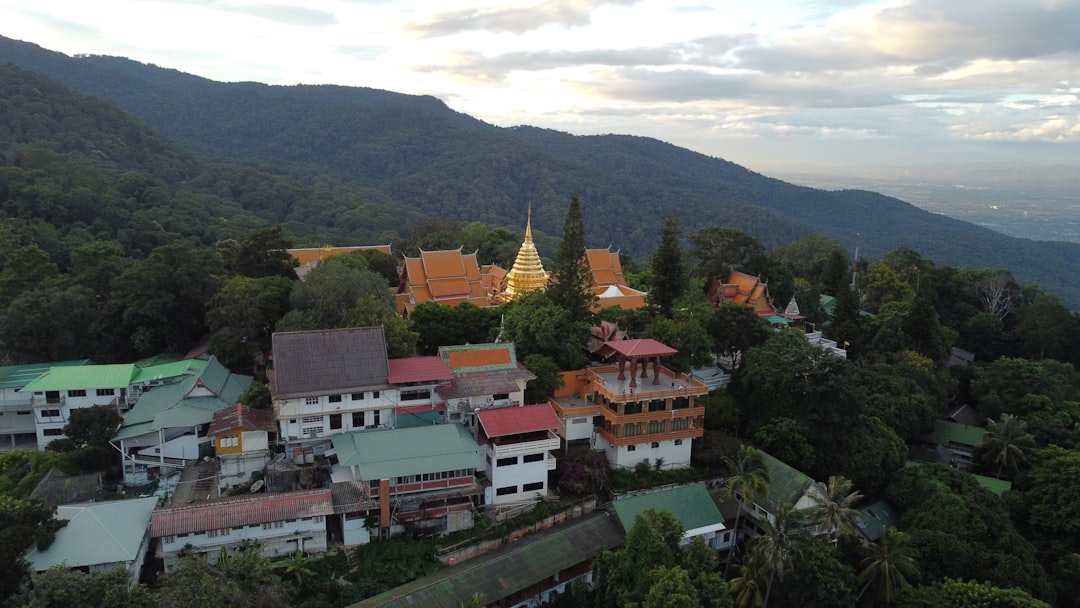
Wat Phra That Doi Suthep
Chiang Mai's most famous temple sits atop Doi Suthep mountain, 15 km from the city centre. The golden pagoda gleams in the sunlight, and on clear days the panoramic view stretches across the entire city and Ping River valley. Climb the 306-step naga staircase or take the funicular.
Admission: 30 THB (~$1) · Hours: 6 AM–6 PM · Getting there: Red songthaew from the Old City (50–80 THB one way). Visit early morning for the best views and to avoid heat.
 Andrea Huls Pareja / Unsplash
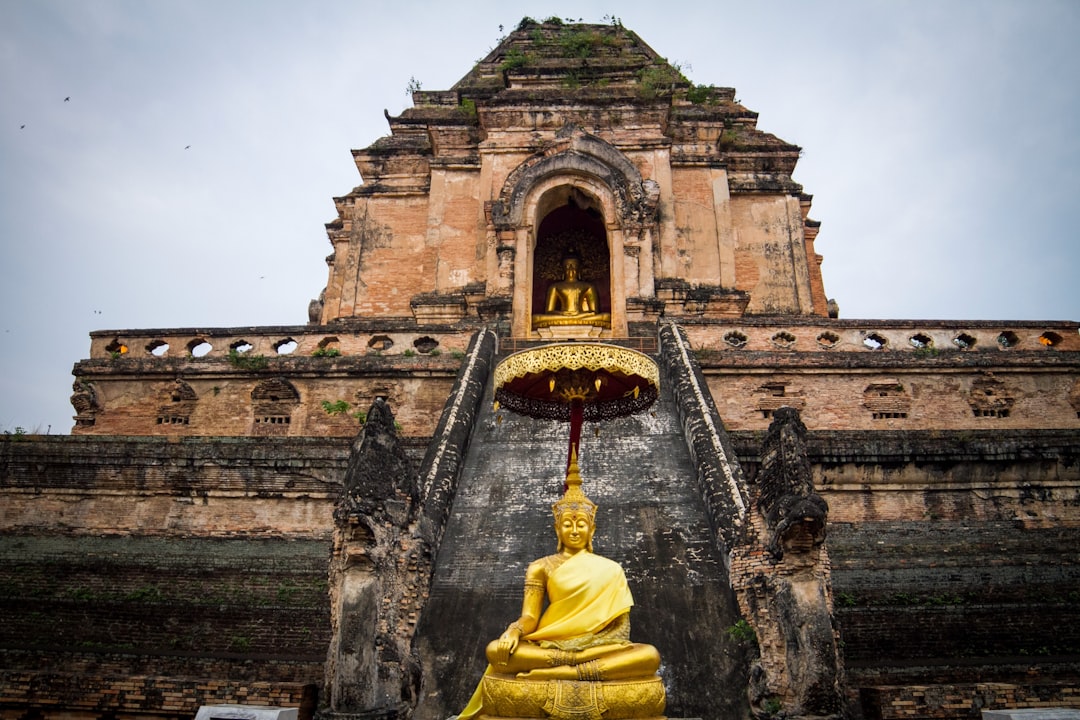
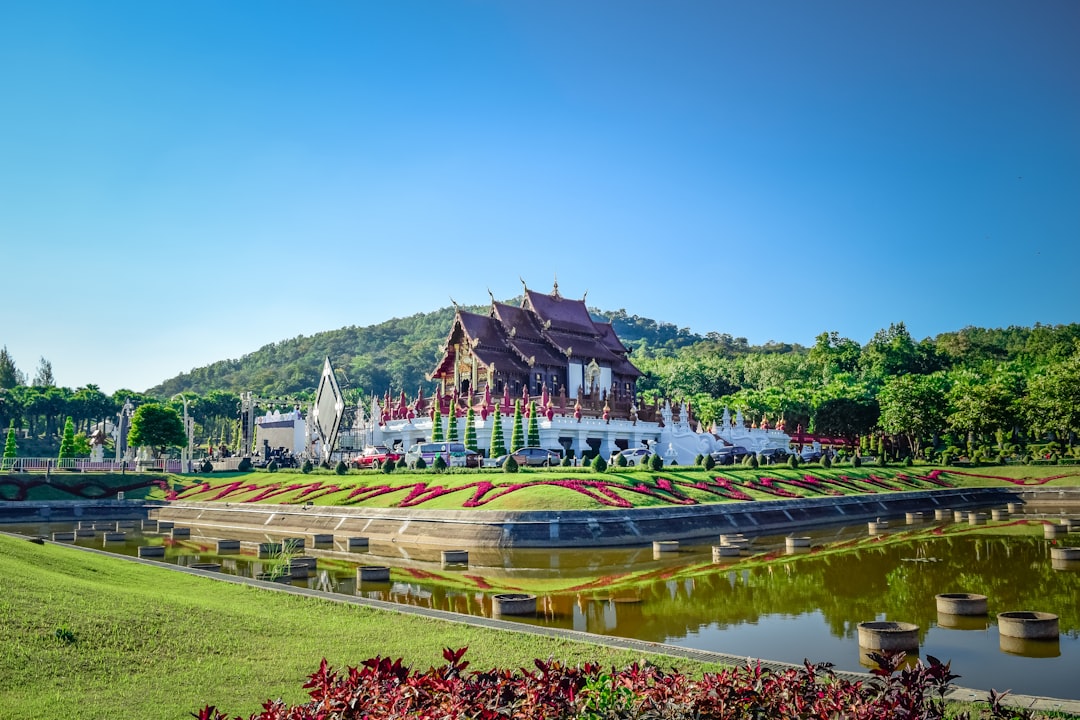
Old City Temples
Within the square moat of the Old City, over 30 temples compete for your attention. Wat Chedi Luang houses a 600-year-old stupa. Wat Phra Singh contains the revered Lion Buddha. Wat Chiang Man is the city's oldest temple, dating to 1296.
All free or 20–40 THB entry · Tip: Rent a bicycle (50–100 THB/day) and temple-hop at your own pace. Most are open 6 AM–5 PM.
 Kenneth Surillo / Pexels
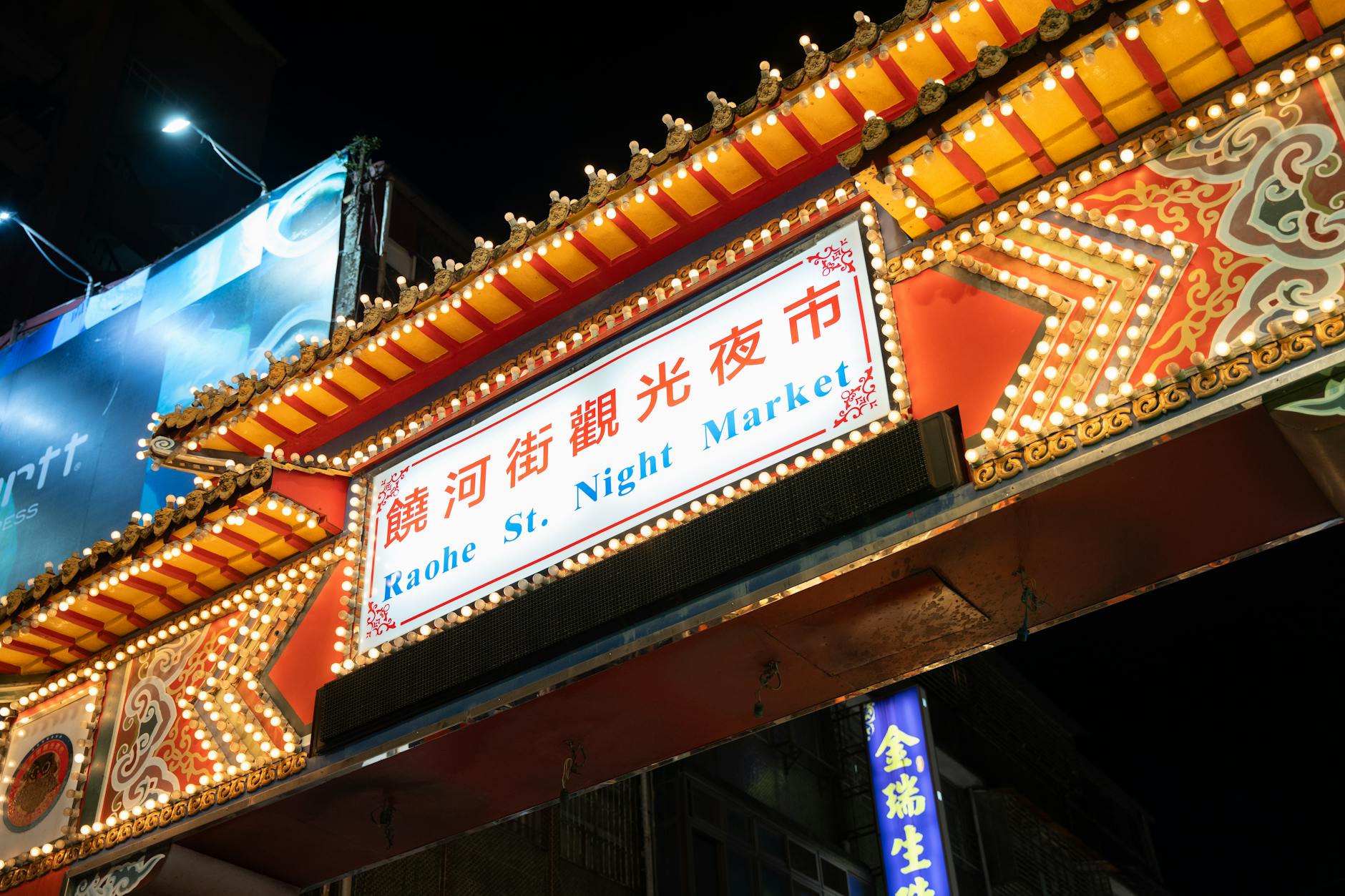
Sunday Night Market & Night Bazaar
The Sunday Walking Street (Tha Phae Gate to Wat Chedi Luang) is Chiang Mai's signature event — a mile of artisan crafts, live music, street food, and massage stalls every Sunday from 4 PM. The nightly Chiang Mai Night Bazaar on Chang Klan Road runs year-round.
Sunday market: 4–10 PM · Tip: Start at Tha Phae Gate by 5 PM, bring cash, and try the coconut ice cream served in a coconut shell.
 Vincent Delsuc / Pexels
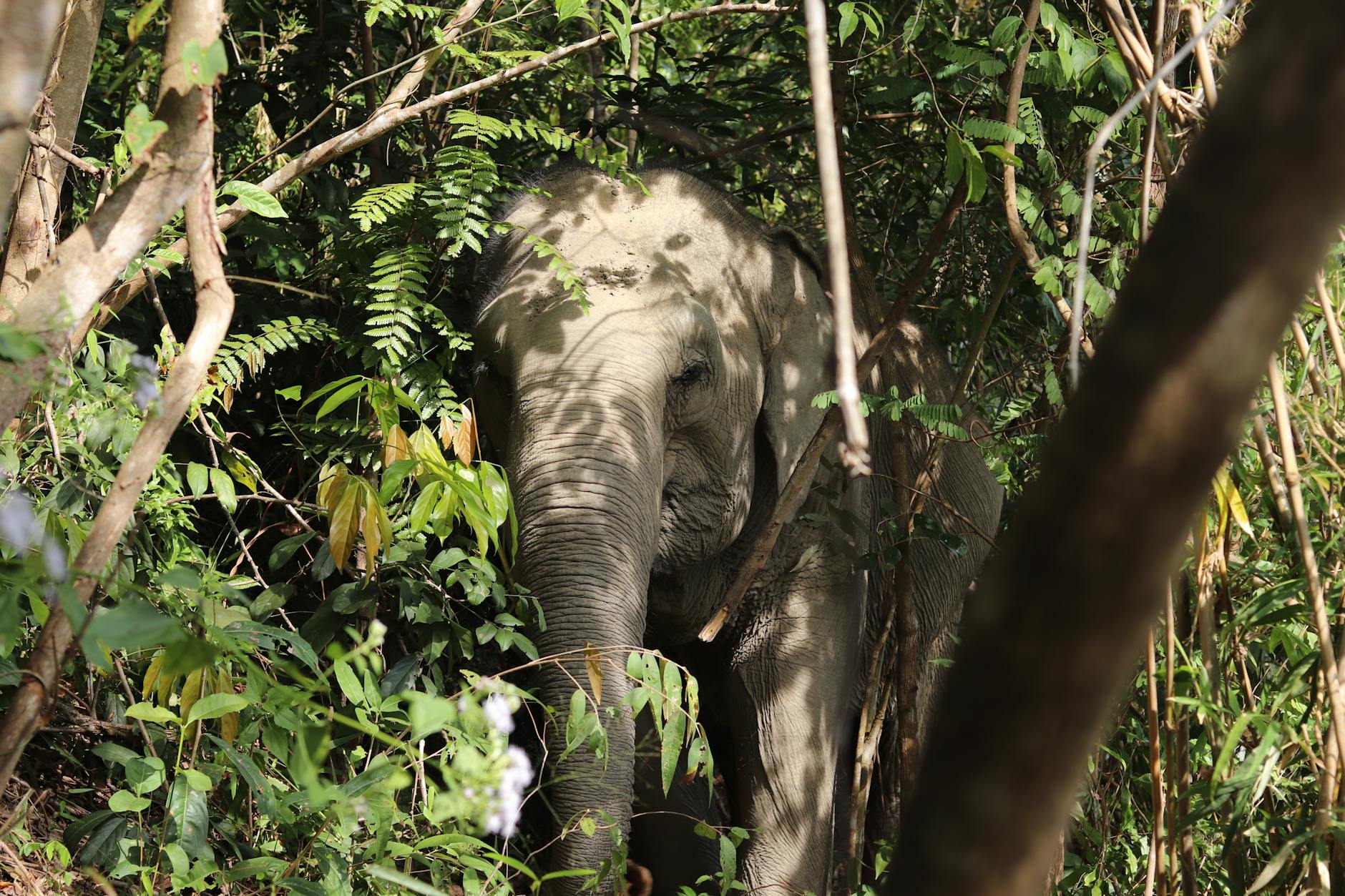
Ethical Elephant Sanctuaries
Chiang Mai is the gateway to Thailand's most respected ethical elephant experiences. Avoid any camp that offers riding or performance shows. Instead, visit sanctuaries where rescued elephants roam freely — you feed, bathe, and walk with them. Elephant Nature Park is the gold standard.
Cost: 2,000–3,000 THB ($55–85) for a full day including transport and lunch · Book: At least 2 weeks in advance for top sanctuaries.
Neighborhoods
Where to Stay
Chiang Mai is compact and affordable — you can't really go wrong.
Old City
Walking distance to temples, markets, and cooking schools. A mix of guesthouses and boutique hotels within ancient walls. $10–100/night.
Nimman
Hip neighbourhood with specialty coffee, co-working spaces, and the best restaurants. Popular with digital nomads. $15–120/night.
Riverside
Leafy, quiet stretch along the Ping River with boutique resorts and excellent dining. A short ride to the Old City. $20–200+/night.
Santitham
Local neighbourhood north of the Old City with cheap eats, hidden bars, and authentic Chiang Mai life. $8–30/night.
Food
What to Eat
Northern Thai cuisine is distinct from Bangkok — richer, earthier, and unforgettable.
 Kittitep Khotchalee / Unsplash
Essential Dishes
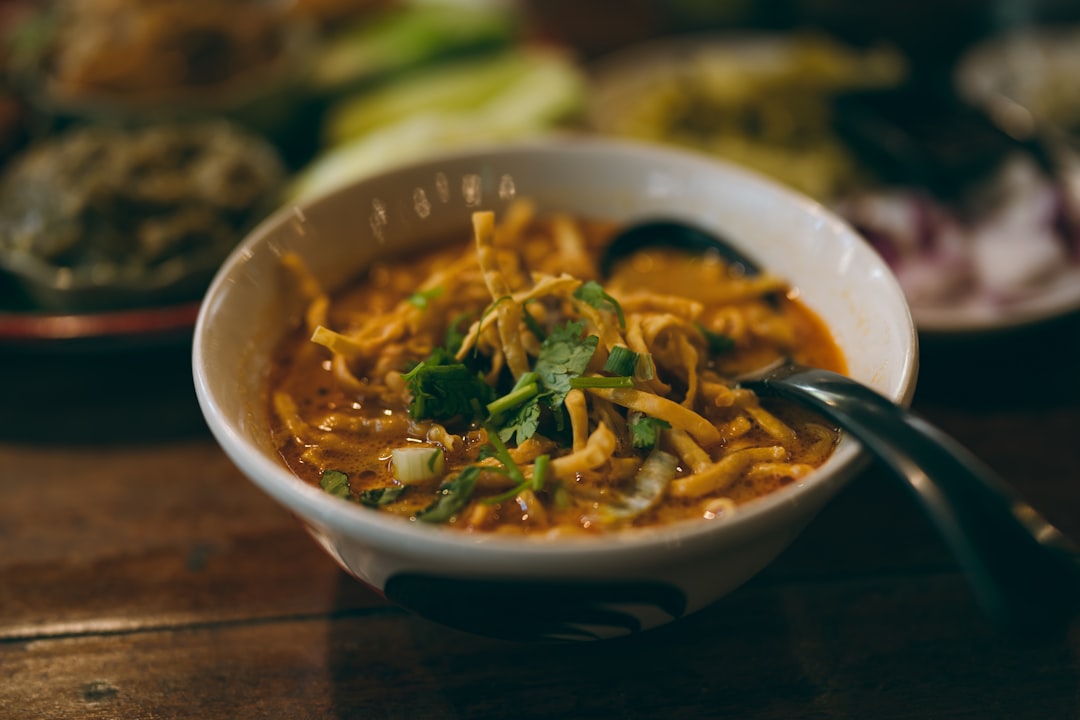
Khao Soi
Northern Thailand's signature dish — egg noodles in a rich coconut curry broth topped with crispy noodles. Best at Khao Soi Khun Yai or Khao Soi Maesai.
Sai Oua
Chiang Mai sausage seasoned with lemongrass, galangal, and chilli. Grilled and served with nam prik noom (green chilli dip).
Nam Prik Ong
Spicy tomato and minced pork dip served with fresh vegetables and crispy pork rinds. A northern Thai staple.
Khantoke Dinner
Traditional Lanna meal served on a raised tray (tok) with multiple dishes, cultural dance performances, and tea. A touristy but fun experience.
Transport
Getting Around
Chiang Mai is small and easy to navigate. Most trips within the city cost under 50 THB.
Red Songthaews
The iconic red pickup trucks are Chiang Mai's public transit. Flag one down, tell the driver your destination, and pay 20–30 THB within the city. For longer trips (Doi Suthep, etc.), negotiate a flat fare of 50–150 THB.
Grab & Taxis
Grab works well in Chiang Mai — often cheaper than a negotiated songthaew. Metered taxis are available but less common than in Bangkok. A ride across town costs 60–120 THB on Grab.
Bicycle & Scooter
The Old City is flat and perfect for cycling (rent for 50–100 THB/day). Scooters cost 150–250 THB/day but traffic is calmer than Bangkok. Always wear a helmet and carry your international driving permit.
Itinerary
Perfect 3 Days in Chiang Mai
A balanced first-visit itinerary covering temples, markets, food, and an elephant experience.
Old City Temples & Sunday Market
- •9:00 AM — Rent a bicycle and explore Wat Chedi Luang, Wat Phra Singh, and Wat Chiang Man
- •12:00 PM — Lunch at Khao Soi Khun Yai (arrive before noon — they sell out)
- •2:00 PM — Visit Lanna Folklife Museum and Wat Suan Dok
- •4:00 PM — Head to Sunday Walking Street (if it's Sunday) or Night Bazaar
- •7:00 PM — Street food dinner and foot massage on the walking street
Elephant Sanctuary & Riverside
- •8:00 AM — Full-day ethical elephant sanctuary visit (booked in advance)
- •Feed, walk, and bathe elephants in a natural setting
- •2:00 PM — Return to city, relax
- •5:00 PM — Riverside walk and dinner at The Good View or Gallery Restaurant
Choose Your Adventure
- •Option A — Doi Suthep temple in the morning, Thai cooking class in the afternoon
- •Option B — Day trip to Doi Inthanon National Park (Thailand's highest peak, 2 hrs)
- •Option C — Hill tribe trek + zip-lining combo in Mae Rim (half day)
Day Trips
Beyond Chiang Mai
All reachable within 1–2.5 hours from the city.
 Mandy H / Unsplash
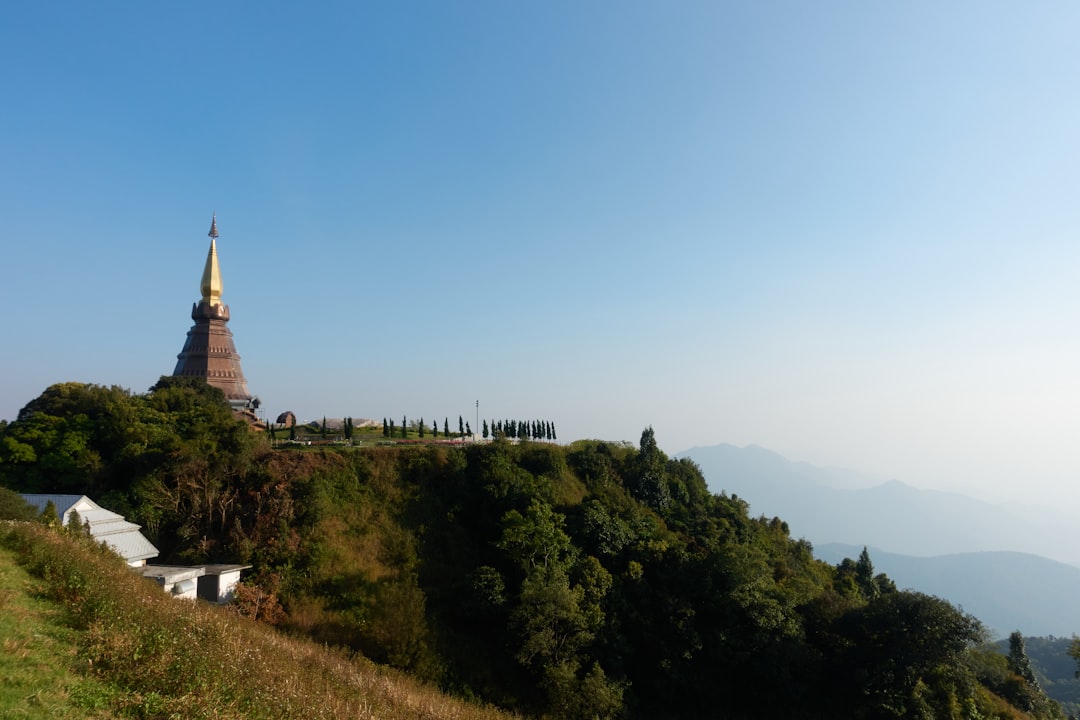
Doi Inthanon National Park (2 hours)
Thailand's highest peak at 2,565 metres. The park has twin pagodas, hill tribe villages, cloud forests, and two spectacular waterfalls (Wachirathan and Sirithan). Temperatures drop to 5°C at the summit in winter. Join a group tour (800–1,200 THB) or rent a car with driver.
Mae Rim & Pai (1–3 hours)
Mae Rim (30 min) has zipline courses, botanical gardens, and the famous Borsang umbrella village. Further north, Pai (3 hrs) is a bohemian mountain town with hot springs, canyons, and a legendary walking street. Stay overnight if you visit Pai — the winding road makes a day trip tiring.
Budget
What You'll Spend
Chiang Mai is one of the cheapest cities in Thailand — especially for food and accommodation.
Budget
$20–35/day
- •Hostel: $5–12/night
- •Street food: $4–8/day
- •Songthaew: $2–5/day
- •Temples: $1–3/day
Mid-Range
$40–80/day
- •Boutique hotel: $20–50/night
- •Restaurants: $10–20/day
- •Grab + songthaew: $5–10/day
- •Activities: $10–30/day
Luxury
$100–200+/day
- •Resort/villa: $60–150+/night
- •Fine dining: $25–50/day
- •Private transport: $15–25/day
- •Private tours & spa: $20–50/day
Tips
Practical Advice
Key tips for a smooth Chiang Mai trip.
Burning Season
March–April is burning season — farmers burn fields, and air quality can reach hazardous levels. Check AQI before booking. If visiting during this period, bring an N95 mask and limit outdoor activities in the afternoon.
Cooking Classes
Chiang Mai has some of Thailand's best cooking classes (800–1,500 THB). Most include a market tour, 4–6 dishes, and a recipe book. Book at least a day ahead. Thai Farm Cooking School and Grandmas are highly rated.
Digital Nomad Hub
Free Wi-Fi is ubiquitous. Co-working spaces like Punspace and CAMP offer fast internet for 50–200 THB/day. Many cafés in Nimman are laptop-friendly. The CMI visa allows 90 days with remote work.
Temple Etiquette
Remove shoes before entering any temple building. Cover shoulders and knees. Don't point your feet at Buddha images. Monks cannot touch women — if a monk is nearby on public transport, stand and offer your seat.
Money Tips
ATMs charge 220 THB per withdrawal for foreign cards. Exchange at Super Rich or the night market. Most restaurants and shops accept QR payments via PromptPay, but tourists need cash.
Getting There
Fly to CNX from Bangkok (1.5 hrs, 1,000–3,000 THB on AirAsia, Thai Smile, or Bangkok Airways). Overnight train from Bangkok takes 13–15 hrs (sleeper berth from 800 THB) — scenic and comfortable.
FAQ
Frequently Asked Questions
How many days do you need in Chiang Mai?
What is the best area to stay in Chiang Mai?
Is Chiang Mai safe for tourists?
What food is Chiang Mai famous for?
How much does a trip to Chiang Mai cost per day?
How do I get around Chiang Mai?
When is the Yi Peng Lantern Festival?
Do I need a visa for Chiang Mai?
Ready to explore Chiang Mai?
Browse hotels, activities, and detailed information on our Chiang Mai destination page.