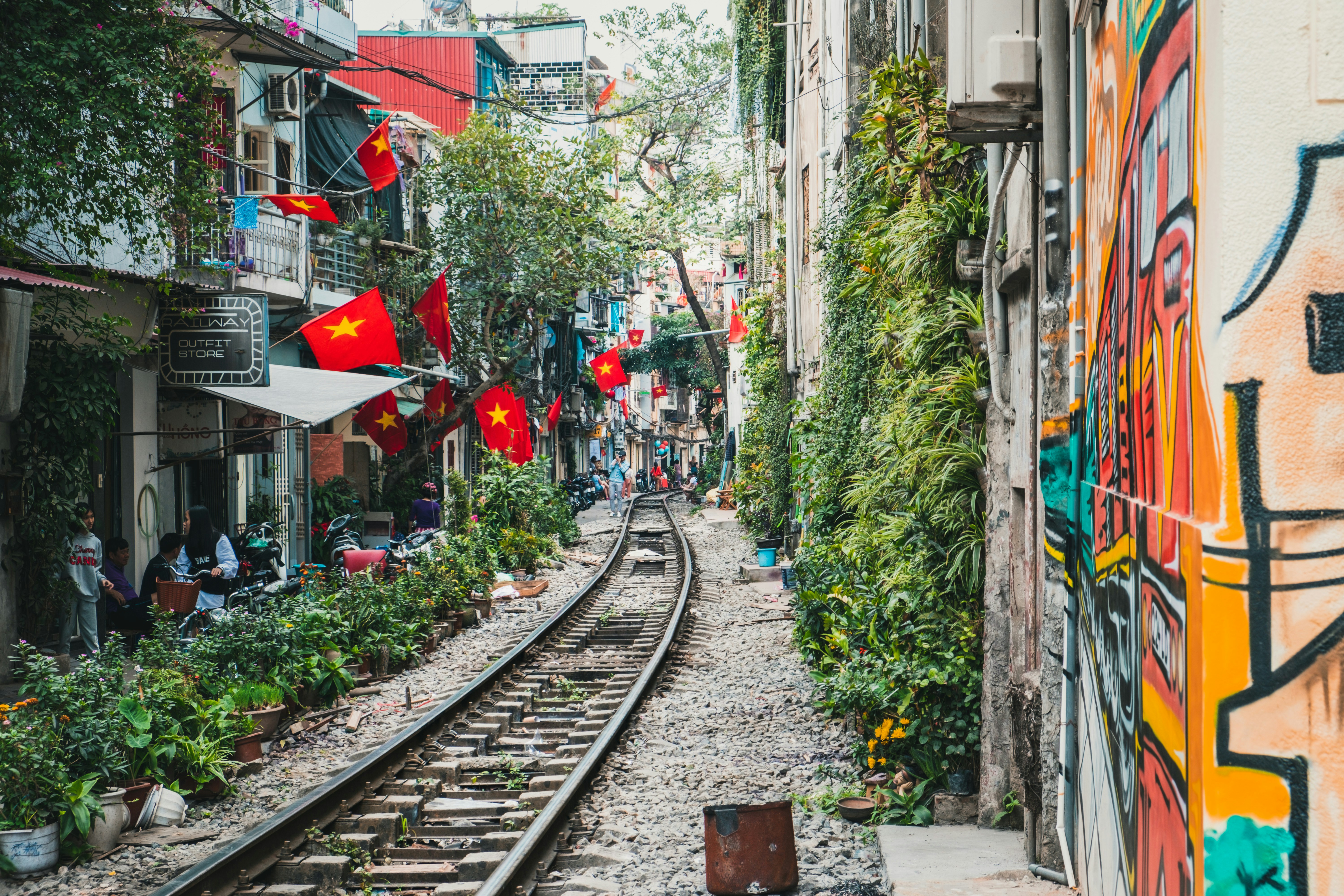
Best Street Food in Hanoi (2026) — 20+ Must-Try Dishes
Hanoi is arguably the street food capital of Southeast Asia — a city where the best meals are served on tiny plastic stools on the sidewalk, where the aroma of charcoal-grilled pork mingles with fresh herbs and star anise, and where a world-class bowl of soup costs less than a cup of coffee back home.
Anthony Bourdain called it one of the best food cities in the world, and after one meal on a Hanoi sidewalk, you'll understand why. The city's food scene is a living, breathing thing — hundreds of years of culinary tradition served fresh every single day by vendors who've been perfecting the same recipes for generations.
This guide covers the 20+ must-try dishes you need to seek out in Hanoi, exactly where to find them, and how much they cost. Whether you have three days or three weeks, this is your roadmap to eating your way through Vietnam's captivating capital.
Planning a longer trip? Check out our Complete Guide to Hanoi for First-Timers and our 7 Days in Vietnam: The Perfect Route.
Quick Hit List: Hanoi's Essential Street Foods
| Dish | What It Is | Price (USD) | Best Area |
|---|---|---|---|
| Pho | Beef or chicken rice noodle soup | $1–2 | Old Quarter |
| Bun Cha | Grilled pork patties with rice noodles | $1–2 | Old Quarter |
| Banh Mi | Crispy Vietnamese baguette sandwich | $0.50–1 | Old Quarter |
| Ca Phe Trung | Whisked egg yolk coffee | $0.75–1 | Old Quarter |
| Bun Dau Mam Tom | Noodles with fried tofu & fermented shrimp paste | $1 | Old Quarter |
| Cha Ca | Turmeric fish with dill | $3–5 | Old Quarter |
| Bun Thang | Delicate chicken & egg noodle soup | $1–2 | Old Quarter |
| Bun Oc | Snail noodle soup | $1–2 | Old Quarter |
| Xoi Xeo | Sticky rice with mung bean & fried shallots | $0.75–1 | Old Quarter |
| Banh Cuon | Steamed rice flour rolls | $0.75–1 | Old Quarter |
| Com | Young green rice flakes (seasonal) | $1–2 | Lang Vong |
| Nem Ran | Crispy fried spring rolls | $0.50–1 | Old Quarter |
| Bia Hoi | Fresh draft beer | $0.25–0.50 | Ta Hien / Old Quarter |
| Che | Vietnamese sweet soup desserts | $0.50–1 | Old Quarter |
| Banh Trang Tron | Mixed rice paper salad | $0.50–1 | Street vendors |
| Banh Goi | Fried pillow-shaped dumplings | $0.50–1 | Old Quarter |
| Cao Lau-style Dry Noodles | Local noodle bowls | $1–2 | Old Quarter |
| Chao Ca | Fish rice porridge | $1 | Old Quarter |
| Lau | Vietnamese hot pot (communal) | $5–10 | Old Quarter / West Lake |
| Mit Tron | Green jackfruit salad | $1 | Street vendors |
Prices in context: 1 USD ≈ 25,500 VND (as of early 2026). Most street food vendors are cash-only — bring small bills.
The Essential Dishes
1. Pho — Vietnam's Soul in a Bowl
Pho is Vietnam's most famous dish for good reason: a deeply aromatic broth simmered for hours with charred ginger, star anise, cinnamon, and cloves, poured over flat rice noodles and paper-thin slices of beef. It's served with a plate of fresh herbs (Thai basil, sawtooth coriander), bean sprouts, lime wedges, and sliced chilies. Add a squeeze of hoisin and sriracha if you like it sweet and spicy.
Hanoi's pho is different from what you'll find in southern Vietnam — the broth is cleaner, lighter, and more focused on the quality of the beef. No bean sprouts or hoisin are traditionally served in the north.
Where to eat it:
- Pho Bat Dan (49 Bat Dan Street) — The most iconic pho shop in Hanoi. Opens early (6am) and sells out by noon. Come for the pho tai (rare beef) or pho ga (chicken). Expect a queue. ~$1.50.
- Pho Gia Truyen (35B Nguyen Si Co) — Another legendary spot with a rich, clear broth. The beef is tender and the noodles are perfectly cooked. ~$1.50.
- Pho Thin (13 Lo Duc Street) — Famous for stir-fried beef pho (pho bo xao) — the beef is seared in a wok before hitting the broth, giving it a smoky depth. ~$1.50.
- Pho Gia Truyen Bach Ma (102 Bach Ma) — A smaller, more local-feeling branch. Same family recipe. ~$1.
Tip: Hanoians eat pho for breakfast. Go early (before 8am) for the freshest broth and to beat the crowds.
2. Bun Cha — Hanoi's Lunchtime Obsession
If pho is breakfast, bun Cha is lunch. Grilled fatty pork patties (cha) and sliced pork belly are charred over charcoal, then served in a bowl of warm, slightly sweet fish sauce broth alongside cold rice vermicelli (bun), a mountain of fresh herbs, and garlic-stuffed pickles. You assemble each bite yourself — dip noodles and herbs into the broth, grab a piece of pork, and enjoy.
Where to eat it:
- Bun Cha Huong Lien (24 Le Van Huu) — Made world-famous when Anthony Bourdain and Barack Obama ate here in 2016. It's since become a pilgrimage site. The pork is juicy and the broth is perfectly balanced. ~$2.
- Bun Cha Dac Kim (1 Dang Tieng) — A long-running local favorite that many Hanoians prefer over the Obama spot. The patties are slightly sweeter. ~$1.50.
- Bun Cha Hang Manh (1 Hang Manh) — Small, no-frills sidewalk spot with excellent pork and a lively atmosphere. ~$1.50.
Tip: This is a lunch dish — most bun Cha spots open around 10am and close by 2pm. Don't come for dinner.
3. Banh Mi — The World's Best Sandwich
A crispy, airy baguette (a legacy of French colonialism) filled with pâté, cold cuts, pickled daikon and carrot, fresh cilantro, chilies, and a smear of mayonnaise. It's crunchy, savory, tangy, and spicy all at once — and at 50 cents to a dollar, it might be the best value meal on earth.
Where to eat it:
- Banh Mi 25 (25 Hang Bac) — The most tourist-famous banh mi in Hanoi. Consistent quality, English-speaking staff, and a menu with options (pork, chicken, egg, tofu). ~$1.
- Banh Mi Pho Gia (26 Hang Ca) — Less touristy, more authentic. The pâté here is outstanding. ~$0.75.
- Banh Mi Pate Chien (street vendors near St. Joseph's Cathedral) — Look for vendors frying small pâté-stuffed dough balls — they're stuffed into the banh mi for extra richness. ~$0.50–0.75.
Tip: Grab one for breakfast or as a mid-afternoon snack. They're sold from early morning through the afternoon.
4. Ca Phe Trung — Hanoi's Legendary Egg Coffee
This is Hanoi's most unique culinary invention: a thick, creamy "custard" made from whisked egg yolk, condensed milk, and sugar, floated on top of a strong Vietnamese coffee. It's served in a small glass sitting in a bowl of hot water to keep it warm. The first sip is a revelation — rich, sweet, and slightly bitter, like a liquid tiramisu.
Where to drink it:
- Cafe Giang (39 Nguyen Huu Huan) — The original. Invented in the 1940s by Nguyen Van Giang during a milk shortage. The family still runs it. The cafe is hidden down a narrow alley — look for the small sign. ~$0.75.
- Cafe Dinh (13 Dinh Tien Hoang, near Hoan Kiem Lake) — A close second, with the bonus of a rooftop terrace overlooking the lake. ~$1.
- Cafe Pho Co (11 Hang Bac) — A "hidden cafe" accessed through a silk shop, with a tiny courtyard. The egg coffee is excellent and the atmosphere is magical. ~$1.
Tip: Order it hot (nong) in the morning or iced (da) in the afternoon. It's very sweet — you've been warned.
5. Bun Dau Mam Tom — The Bold Choice
This is the dish that separates the food tourists from the serious eaters. Cold rice vermicelli topped with fried tofu, sliced pork, herbs, and a generous pour of mam tom — fermented shrimp paste. The paste is pungent, salty, and deeply umami. Locals squeeze in lime and add sliced chilies to balance it.
If the smell of mam tom is too intense, you can ask for nuoc cham (fish sauce) instead — but you'll be missing the authentic experience.
Where to eat it:
- Various stalls along Hang Hom and Hang Bac streets in the Old Quarter. Look for the purple tofu sitting in metal trays and the distinctive aroma. ~$1.
- Bun Dau Mam Tom 47 (47 Hang Hom) — A popular, well-known stall with a loyal local following. ~$1.
Tip: This is a late-morning to afternoon dish. Go between 9am and 2pm. Sit with the locals and eat fast — these stalls have high turnover.
6. Cha Ca — Turmeric Fish with Dill
Cha Ca La Vong is one of Hanoi's oldest restaurants — over 100 years old — serving just one dish: white fish marinated in turmeric and galangal, fried tableside in a sizzling pan with scallions and dill, then served with rice vermicelli, peanuts, and shrimp paste. The combination of fragrant herbs, turmeric-stained fish, and crispy noodles is extraordinary.
Where to eat it:
- Cha Ca La Vong (14 Cha Ca Street) — The original, namesake restaurant. The dish is literally named after this street. Expect a touristy atmosphere but authentic food. ~$4–5.
- Cha Ca Thang Long (19B Duong Thanh) — A less touristy alternative serving the same dish at slightly lower prices. ~$3–4.
Tip: Cha Ca is best for lunch. The restaurant is small and fills up quickly around noon.
7. Bun Thang — Hanoi's Elegant Noodle Soup
Bun Thang is the most refined noodle soup in Hanoi's repertoire — a delicate, clear chicken broth served with thin rice vermicelli, shredded chicken, shredded egg crepe, Vietnamese pork sausage (cha lua), and mushrooms. It's garnished with com (green rice flakes) and a drizzle of mam tom on the side. It looks simple, but the balance of flavors is remarkable.
Where to eat it:
- Bun Thang Ba Duc (22C Cau Go) — A tiny, family-run spot near Hoan Kiem Lake. They've been serving bun Thang for decades. ~$1.50.
Tip: This is a lunch dish. The broth is subtly flavored — don't add too much sauce, or you'll overpower it.
8. Bun Oc — Snail Noodle Soup
A tangy, tomato-based broth loaded with freshwater snails, tofu, and rice vermicelli. It's served with a plate of herbs and a bowl of vinegar-garlic-chili sauce on the side. The broth is sour and slightly spicy — a perfect hangover cure or rainy day comfort food.
Where to eat it:
- Bun Oc Co Le (38 Cua Dong) — The most famous bun Oc spot in Hanoi. They also serve oc luoc (boiled snails) and oc nhoi (stuffed snails). ~$1.50.
Tip: Come for lunch or an early dinner. This dish is best in cooler weather (October–March).
9. Xoi Xeo — Sticky Rice with Mung Bean
Xoi (sticky rice) is a Hanoi breakfast staple, and xoi xeo is the king of xoi varieties. Steamed glutinous rice is mixed with mashed mung bean paste and topped with crispy fried shallots. It sounds simple, but the texture contrast — chewy rice, creamy mung bean, crunchy shallots — is addictive.
Where to eat it:
- Xoi Yen (35 Nguyen Huu Huan) — The most beloved xoi spot in Hanoi. They offer many varieties including xoi xeo, xoi ga (with chicken), and xoi pate (with pâté). The line starts early. ~$0.75–1.
- Xoi Nguyen Huong (39A Hang Bac) — Another excellent xoi vendor with a wider selection of toppings. ~$0.75–1.
Tip: This is strictly a morning dish — most xoi vendors close by 10am.
10. Banh Cuon — Steamed Rice Rolls
Silky, translucent steamed rice flour sheets filled with minced pork and wood ear mushrooms, topped with fried shallots and served with nuoc cham (fish sauce dressing) and cha lua (pork sausage). The texture is what makes it special — impossibly soft and delicate.
Where to eat it:
- Banh Cuon Gia Truyen (68B Hang Bong) — A long-running favorite with a cult following. The rolls are paper-thin and the pork filling is perfectly seasoned. ~$1.
- Banh Cuon Thanh Tri (66B Thanh Nien) — Specializes in the Thanh Tri style — larger, thinner rolls without filling, meant to be dipped in nuoc cham. ~$0.75.
Tip: Best for breakfast or early lunch. Watch the vendor steam each batch to order — it's mesmerizing.
11. Com — Young Green Rice (Seasonal)
Com is young green rice that's been harvested early, roasted, and pounded flat. It has a sweet, grassy, almost milky flavor that's uniquely Vietnamese. It's wrapped in lotus leaves and sold in small parcels. You can eat it plain or paired with banana or chicken.
Where to find it:
- Com Lang Vong (various vendors on Nguyen Khang Street, near Lang Village) — This is the traditional source of Hanoi's com. ~$1–2 per parcel.
Tip: Com is strictly seasonal — available only from September to October. If you're in Hanoi during autumn, don't miss it.
12. Nem Ran — Fried Spring Rolls
Crispy, golden fried spring rolls filled with pork, crab, mushrooms, glass noodles, and egg, served with fresh lettuce, herbs, and nuoc cham for dipping. Unlike southern-style cha gio, Hanoi's nem ran uses a different wrapper and filling ratio — slightly more crab, slightly less noodles.
Where to eat it:
- Nem Ran Ngu Xa (52 Ngu Xa) — The most famous nem ran shop in Hanoi, located near Truc Bach Lake. ~$0.50–1 per serving.
Tip: Order them as a side dish with bun Cha or as part of a larger meal. They're best eaten hot and crispy.
13. Bia Hoi — Fresh Beer for 25 Cents
Bia hoi is the world's cheapest beer — fresh, unpasteurized draft beer brewed daily and delivered to street-side taps across Hanoi. It's light, refreshing, and slightly sweet, and it costs about 5,000–10,000 VND ($0.20–0.40) per glass. The bia hoi culture is a social experience: tiny plastic stools, shared tables, and an ever-rotating cast of locals and travelers.
Where to drink it:
- Ta Hien Beer Corner (Ta Hien Street, Old Quarter) — The most famous bia hoi street. Loud, chaotic, and fun. ~$0.25–0.50 per glass.
- Bia Hoi Junction (corner of Luong Ngoc Quyen and Ta Hien) — The epicenter of the scene. Pull up a stool and order.
- Linh Quang (27 Quan Thanh, near Truc Bach Lake) — A more local, less touristy bia hoi spot with excellent food. ~$0.25 per glass.
Tip: Bia hoi is served from late afternoon until late at night. The earlier you go, the more locals you'll find. It goes perfectly with grilled meats and peanuts.
14. Che — Vietnamese Sweet Soup Desserts
Che is a category of Vietnamese desserts that includes sweet soups, puddings, and iced drinks made with beans, jelly, tapioca, coconut milk, and fruit. It's served over ice and is the perfect way to cool down in Hanoi's humid heat.
Where to find it:
- Various vendors along Tong Duy Tan (the "food street") and throughout the Old Quarter. Look for the colorful glass jars. ~$0.50–1.
- Che Bap (corn sweet soup with coconut milk) and Che Bau Sau (tapioca with lotus seeds and longan) are the most popular varieties.
Tip: Available all day, but best as an afternoon treat. Try at least two different kinds.
15. Banh Trang Tron — Mixed Rice Paper Salad
A popular street snack, especially with younger Vietnamese: shredded rice paper tossed with quail eggs, dried shrimp, green mango, herbs, chili, lime, and a tangy-sweet dressing. It's crunchy, sour, spicy, and incredibly addictive.
Where to find it:
- Street vendors and small stalls throughout the Old Quarter, especially around schools and markets. ~$0.50–1.
Tip: Ask for it cay (extra spicy) if you can handle the heat.
16. Banh Goi — Fried Pillow Dumplings
Crispy, pillow-shaped fried dumplings filled with minced pork, glass noodles, and mushrooms. They're smaller than spring rolls but pack more flavor per bite, with a satisfying crunch when you bite through the golden wrapper.
Where to find it:
- Banh Goi Ngo Thi Nham (Ngo Thi Nham Street) — The best-known banh Goi vendor in Hanoi. ~$0.50 per piece.
17. Chao Ca — Fish Rice Porridge
A warm, comforting rice porridge with tender white fish, ginger, and scallions. It's the Vietnamese equivalent of chicken soup — what you eat when you're sick, tired, or it's cold outside. The broth is thick and creamy, with the gentle sweetness of fish.
Where to find it:
- Chao Ca Co Do (14 Lo Duc) — Served since 1962, this is the gold standard for chao Ca in Hanoi. ~$1.
18. Lau — Vietnamese Hot Pot
A communal pot of simmering broth placed on your table, with plates of raw meat, seafood, vegetables, tofu, and noodles to cook yourself. It's a social meal — perfect for groups. The broth can be sour (lau canh chua), spicy (lau thai), or herbal (lau thap cam).
Where to find it:
- Lau De 327 (327 Hoang Hoa Tham, near West Lake) — Famous for goat hot pot (lau de), a Hanoi specialty. ~$8–10 per person.
- Various hot pot restaurants along Truc Bach Street near the lake. ~$5–8 per person.
Tip: Best for dinner with 2+ people. Most places charge per person and bring unlimited ingredients.
19. Mit Tron — Green Jackfruit Salad
Shredded young green jackfruit tossed with shrimp, pork, herbs, and a tangy fish sauce dressing. It's crunchy, sour, and savory — one of the most refreshing street foods in Hanoi, especially during the hot months.
Where to find it:
- Street vendors throughout the Old Quarter. ~$1.
20. Cao Lau-Style Dry Noodles
While cao Lau is originally from Hoi An, you'll find Hanoi-style dry noodle bowls across the city — thick rice noodles topped with grilled pork, fresh herbs, and crispy rice crackers, served with a small bowl of broth on the side. It's less soupy than pho and more textured than bun.
Where to find it:
- Local noodle shops throughout the Old Quarter and French Quarter. ~$1–2.
Best Street Food Areas in Hanoi
Old Quarter (36 Streets) — The Main Hub
This is ground zero for Hanoi street food. The narrow, chaotic streets of the Old Quarter are packed with vendors, sidewalk restaurants, and hidden cafes. Key streets to explore:
- Ta Hien — Bia hoi central, lively at night
- Luong Ngoc Quyen — Extension of the Ta Hien beer scene
- Hang Bac — Banh mi, xoi, and banh Cuon
- Hang Bong — Noodle shops and local eateries
- Dinh Tien Hoang — Egg coffee with a lake view
- Tong Duy Tan — "Food street" with concentrated dining options
Hang Buom / Hang Ma Area
A few streets east of the main tourist corridor, this area is noticeably less touristy, more local, and cheaper. You'll find excellent bun Cha, banh Goi, and neighborhood noodle shops where you'll be the only foreigner.
Lan Ong Street — The Medicinal Food Street
Lan Ong is Hanoi's traditional medicine street, and many vendors here serve food with medicinal herbs and ingredients — think herbal soups, lotus seed drinks, and exotic preparations. It's not for the faint of heart, but adventurous eaters will find unique dishes.
Truc Bach Lake Area
A quieter, more residential neighborhood near West Lake with excellent local restaurants. This is where you'll find some of the best cha Ca, bia hoi, and lau in the city — minus the tourist crowds.
Dong Xuan Market Area
Hanoi's largest indoor market is surrounded by some of the cheapest street food stalls in the city. Come here for bargain-priced pho, banh Cuon, and local breakfast dishes. It's busy, authentic, and unpolished.
Hanoi Food Tours
If you want a guided introduction to Hanoi's street food scene, a food tour is an excellent first step. A good tour will take you to places you'd never find on your own and provide context about the history and culture behind each dish.
What to expect:
- Duration: 2–3 hours
- Price: $15–35 per person
- Includes: 8–10 dishes, a local guide, and usually a motorbike ride through the Old Quarter
- Best time: Morning tours (8–11am) for breakfast dishes; evening tours (5–8pm) for bun Cha, banh Cuon, and bia hoi
Recommended tours:
- Klook: Hanoi Street Food Tour by Motorbike — Explore hidden food spots on the back of a motorbike. Includes 8+ tastings and a local guide. From ~$20/person.
- Viator: Hidden Hanoi Street Food Walking Tour — A walking tour through the Old Quarter focusing on lesser-known stalls. From ~$25/person.
Tip: Do a food tour on your first or second day — it'll give you a great lay of the land and you'll discover spots to return to later in your trip.
Hanoi Street Food Tips: How to Eat Like a Local
- Sit on the tiny plastic stools. That's where the best food is. Don't look for air-conditioned restaurants — look for the crowded sidewalk with the smallest chairs.
- Cash only. Bring small bills (under 100,000 VND). Most vendors can't break large notes. ATMs are everywhere but vendor prices are so low that a single withdrawal could last you days.
- Point and smile. If you don't speak Vietnamese, just point at what the person next to you is eating and hold up one finger. The vendor will understand.
- Breakfast starts early. Pho and xoi vendors are open by 6am. Follow the locals — the earlier you go, the fresher the food.
- Avoid English-only menus on main tourist streets. The best places are down alleys, on residential streets, and have menus only in Vietnamese (or no menu at all).
- Be adventurous. Try everything at least once — even the shrimp paste.
- Watch what locals order. See a table of Vietnamese workers eating something you don't recognize? Order that. It'll be the best thing on the menu.
- High turnover = fresh food. Choose stalls with a constant stream of customers. Food that sits around is the enemy.
- Budget guide: You can eat incredibly well for $5–10 per day in Hanoi. A bowl of pho is $1.50, a banh mi is $0.75, and bia hoi is $0.25. Even splurging on cha Ca ($4) and a food tour ($25), you'll spend less on food in Hanoi than almost anywhere else in Southeast Asia.
When to Go: Best Times for Hanoi Street Food
| Season | Months | What to Expect |
|---|---|---|
| Autumn (best) | Sep–Nov | Com season, cooler weather, perfect eating conditions |
| Winter | Dec–Feb | Cool and dry; ideal for hot pho and chao. Can get chilly (10°C) |
| Spring | Mar–Apr | Warm and pleasant; great for all dishes |
| Summer | May–Aug | Hot and humid; perfect for che, banh Trang Tron, and bia Hoi |
Final Thoughts
Hanoi's street food isn't just about eating — it's about the experience. Sitting on a wobbly plastic stool at 7am, watching the city wake up over a bowl of steaming pho. Sharing a table (and a language barrier) with locals at a bun Cha stall. Sipping egg coffee in a hidden courtyard while motorbikes buzz past outside. These moments are what make Hanoi one of the greatest food cities on earth.
Come hungry. Leave happy. And don't skip the shrimp paste.
Hungry for more Vietnam? Check out these related Waddat guides:
- Hanoi Travel Guide — Everything you need for the capital
- 5 Days in Vietnam Itinerary — The perfect Hanoi to Hoi An route
- Vietnam Visa on Arrival Guide 2026 — E-visa, VOA, and requirements
- Ha Long Bay Cruise Guide — Vietnam's most famous bay
- Da Nang Travel Guide — Vietnam's most livable city
- Southeast Asia 1-Month Itinerary — The ultimate regional adventure
Published April 2026. Prices checked at time of writing and may vary. Always confirm current prices on-site.
Explore the Destination
Hanoi Travel Guide
Hotels, activities, and travel tips for Hanoi
You Might Also Like