Davao Travel Guide 2026
Meta Title: Davao Travel Guide 2026 — Safest City in the Philippines | Waddat
Meta Description: Complete Davao City travel guide 2026. Discover Samal Island, Mt. Apo, Philippine Eagle Center, durian capital, budget tips & sample itineraries. Plan your trip now.
Slug: davao-travel-guide
Table of Contents
- Why Visit Davao
- Best Time to Visit Davao
- How to Get to Davao
- Where to Stay in Davao
- Things to Do in Davao
- Getting Around Davao
- Food & Drink in Davao
- Sample Itineraries
- Davao on a Budget
- Frequently Asked Questions
Why Visit Davao
Davao City is the largest city in the Philippines by land area and the gateway to Mindanao — yet it remains one of the country's most underrated travel destinations. While most international tourists flock to Palawan, Boracay, or Siargao, Davao offers an experience that's harder to find elsewhere in the Philippines: an authentic, unpretentious slice of Filipino life with genuine adventures on its doorstep.
Here's what makes Davao special:
- The safest city in the Philippines — Davao consistently ranks as the safest major city in the country. Strict local ordinances (including a smoking ban and a 1am curfew on alcohol sales) contribute to a remarkably safe environment for travelers. Walking around at night feels comfortable — something that can't be said for many Philippine cities.
- Mt. Apo — At 2,954 meters (9,692 feet), this is the highest peak in the Philippines and one of Southeast Asia's most rewarding climbs. The two-day trek takes you through mossy forests, sulfur vents, and a crater lake at the summit.
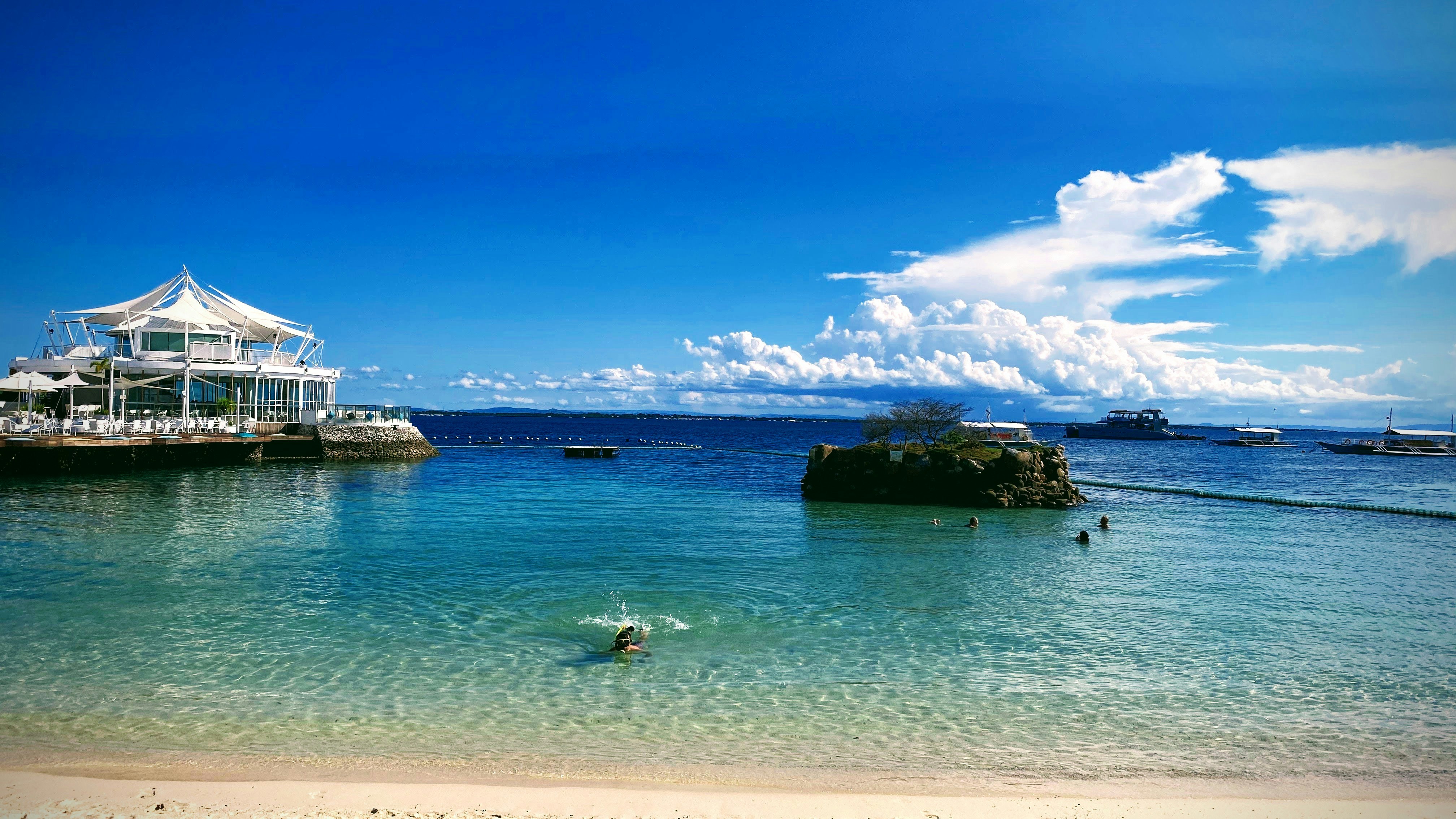
- Samal Island — Just a 10-minute ferry ride from the city, the Island Garden City of Samal offers pristine white-sand beaches, world-record bat colonies, waterfalls, and laid-back island resorts at a fraction of the price of more famous Philippine beaches.
- Durian capital of the Philippines — Davao is the undisputed durian capital, producing the country's finest varieties including the prized Puyat and Arancillo. Even if you've never tried durian, Davao is the place to do it.
- Philippine Eagle Center — Home to the critically endangered Philippine eagle, one of the world's rarest and most powerful birds of prey. The center is both a conservation facility and an incredible wildlife experience.
- Incredible value — Davao is significantly cheaper than Manila or Cebu for accommodation, food, and activities. You can live very well here for $25–40/day.
Davao doesn't have the polished tourist infrastructure of Boracay or the digital nomad scene of Siargao — and that's exactly the point. What you get is real Filipino hospitality, genuine local experiences, and some of the most diverse natural attractions in the country, all wrapped in a city that's safe, clean, and easy to navigate.
For more Philippines adventures, check out our Palawan Travel Guide, El Nido vs Coron comparison, and 5-Day Palawan Itinerary.
Best Time to Visit Davao
Dry Season (December — May) ✅ Recommended
Davao's dry season is the best time to visit. The city sits outside the Philippine typhoon belt, so even during the wettest months it rarely sees the extreme weather that hits Luzon and the Visayas.
Peak Season: December — February Temperatures are comfortable at 25–31°C (77–88°F), humidity is manageable, and skies are generally clear. This is the most popular time for climbing Mt. Apo, as the trails are dry and conditions are safe. Kadayawan Festival (third week of August) is actually the city's biggest celebration, but December–February offers the most consistently pleasant weather for sightseeing.
Shoulder Season: March — May Temperatures rise to 32–34°C (90–93°F) and humidity increases, but this is also durian season — peak harvest runs from August to October, with a secondary peak in March–April. If you're a foodie, this can be a great time. Mt. Apo climbing is still possible but more challenging in the heat.
Kadayawan Festival (August) If you can only pick one time, consider mid-August for the Kadayawan Festival — Davao's spectacular harvest celebration featuring street dancing, float parades, indigenous cultural shows, and mountains of fruit. The city is electric during this week, and hotel rates spike, so book early.
Wet Season (June — November) — Manageable
Davao's rainy season is milder than most of the Philippines. Expect afternoon downpours rather than all-day rain, and the city rarely experiences typhoons.
- June – September: Afternoon thunderstorms are common but usually short-lived. Mornings are often clear and sunny.
- October – November: The tail end of the rainy season. Fewer crowds and lower prices.
- Note: Even in the wet season, outdoor activities are rarely cancelled for a full day. Pack a light rain jacket and plan mornings for outdoor sightseeing.
Quick Summary
| Period | Weather | Crowds | Best For |
|---|---|---|---|
| Dec–Feb | Cool, dry | Medium | First-timers, Mt. Apo climbs |
| Mar–May | Hot, dry | Low | Budget travelers, durian lovers |
| Jun–Nov | Rainy, humid | Low | Fewer crowds, lower prices |
| Mid-Aug | Variable | High | Kadayawan Festival |
💡 Pro tip: For the best balance of weather, value, and atmosphere, aim for late January to early February or plan around the Kadayawan Festival in August.
How to Get to Davao
Flying to Davao ✈️
Davao International Airport (Francisco Bangoy International, code: DVO) is the primary gateway to Mindanao and one of the busiest airports in the Philippines outside Manila.
From Manila Multiple daily flights with all major carriers:
- Cebu Pacific — Usually the cheapest ($30–70 one-way, ~1.5 hours)
- Philippine Airlines — Full service ($50–90 one-way)
- AirAsia — Budget option with frequent sales ($25–60)
From Cebu
- Cebu Pacific — Direct flights daily ($25–55 one-way, ~1 hour)
International Direct Flights
- Singapore — SilkAir (Singapore Airlines) operates direct flights to Davao (~3.5 hours). This is a popular route for travelers combining Singapore with a Philippines trip.
- Manila connections — From most international origins, the easiest route is to fly into Manila (Ninoy Aquino International Airport) and connect to Davao. The domestic terminal transfer takes 30–60 minutes.
Compare flight prices on Skyscanner to find the best deals.
Airport to City Center
Davao International Airport is only about 7 km from the city center. Transfer options:
| Option | Cost | Duration | Details |
|---|---|---|---|
| Grab/Taxi | ₱150–250 ($2.50–4.50) | 15–25 min | Most convenient. Grab app works well in Davao. |
| Airport shuttle | Free (some hotels) | 20–30 min | Check if your hotel offers a complimentary shuttle. |
| Public jeepney | ₱15 ($0.25) | 30–40 min | Budget option — take a jeepney heading to the city center. |
By Ferry
From Manila 2Go Travel operates a ferry from Manila to Davao (approx. 36–40 hours). This is a budget option ($30–80 for economy class) but only for travelers who don't mind a long sea journey. Schedules are irregular — check 2Go Travel for current timetables.
From nearby islands Roll-on/roll-off ferries connect Davao to various Mindanao ports, but these are primarily used by domestic travelers and cargo.
By Bus
If you're already in Mindanao, long-distance buses connect Davao to:
- Cagayan de Oro — ~6 hours, ₱400–600 ($7–10)
- Butuan — ~5 hours, ₱350–500 ($6–9)
- Zamboanga — ~8 hours, ₱500–700 ($9–12)
- General Santos — ~3 hours, ₱200–300 ($3.50–5)
Bus companies include Bachelor Express and Yellow Bus Line. Book tickets at the Ecoland Bus Terminal in Davao.
Where to Stay in Davao
Luxury Hotels ($100+/night)
| Hotel | Area | Price Range | Highlights |
|---|---|---|---|
| Waterfront Insular Hotel | Lanang | $120–200 | Historic beachfront resort, largest pool in Mindanao, great restaurant |
| Park Inn by Radisson | Lanang | $100–160 | Modern, near SM Lanang Premier mall, rooftop pool |
| Marco Polo Davao | City Center | $110–180 | Upscale city hotel, spa, excellent buffet, central location |
| Apo View Hotel | City Center | $80–130 | Near People's Park, pool, reliable mid-luxury option |
Mid-Range Hotels ($40–100/night)
| Hotel | Area | Price Range | Highlights |
|---|---|---|---|
| Seda Abreeza | Bajada | $70–110 | Connected to Abreeza Mall, modern rooms, rooftop bar |
| Casa Leticia Boutique Hotel | City Center | $45–75 | Heritage charm, rooftop restaurant, walking distance to attractions |
| Grand Menseng Hotel | City Center | $40–70 | Central location, good value, near Roxas Night Market |
| Red Planet Davao | JP Laurel | $30–50 | Clean budget-mid option, near SM City mall |
Budget Options (Under $40/night)
| Hotel/Hostel | Area | Price Range | Highlights |
|---|---|---|---|
| Tropika Art Hotel | Bajada | $20–35 | Colorful design, very affordable, clean |
| Green Windows Dormitel | JP Laurel | $12–20 | Dormitory and private rooms, central location |
| Ponce Suites Gallery Hotel | JP Laurel | $15–30 | Art-themed budget hotel, unique character |
| The Royal House Dormitory | City Center | $8–15 | Cheapest option, dorm beds, backpacker-friendly |
Best Neighborhoods to Stay
- Poblacion/City Center — Best for first-timers. Walking distance to People's Park, San Pedro Cathedral, Roxas Night Market, and Chinatown. Most tourist amenities are here.
- Lanang — Upscale area with SM Lanang Premier mall, Waterfront Insular Hotel, and the best fine-dining restaurants. Quieter, more residential feel.
- Bajada — Home to Abreeza Mall and Seda Abreeza. Good mid-range option with shopping and dining nearby.
- Samal Island — If you want a beach holiday base, stay on Samal Island instead. The ferry is only 10 minutes from Davao, and resorts here are cheaper than comparable ones in Boracay or Palawan.
💡 Pro tip: For the best hotel deals in Davao, compare prices on both Booking.com and Agoda. Agoda often has better rates for Philippine hotels.
Things to Do in Davao
1. Philippine Eagle Center 🦅
The Philippine Eagle Center in Barangay Malagos is Davao's most important wildlife attraction and a must-visit for any traveler. This 8.4-hectare conservation facility is home to 36 Philippine eagles — 18 of which were bred in captivity — along with other endemic species like the Philippine crocodile, long-tailed macaques, and various birds of prey.
The Philippine eagle (Pithecophaga jefferyi) is one of the world's rarest and most powerful eagles, with a wingspan reaching up to 2 meters. It's critically endangered, with fewer than 800 individuals remaining in the wild. The center's breeding program is one of the most successful raptor conservation programs in Asia.
Beyond the eagles, the center offers educational talks about habitat conservation and biodiversity. The forested setting along the Malagos River is beautiful in its own right.
- Entrance fee: ₱200 ($3.50) for adults, ₱100 ($1.75) for students/children
- Hours: Daily 8:00 AM – 5:00 PM
- Getting there: From the city center, take a jeepney or tricycle to Calinan (~45 min), then a habal-habal (motorcycle taxi) to the center. Total cost: ~₱100 ($1.75). Alternatively, book a tour through Klook.
- Allow: 2–3 hours
2. Samal Island 🏝️
The Island Garden City of Samal is Davao's beach paradise, sitting just across the Davao Gulf. Despite being so close to a major city, Samal retains a laid-back, unspoiled feel that's increasingly rare in the Philippines.
Getting there: Ferries depart from the Santa Ana Wharf in Davao every 15–20 minutes from 6:00 AM to 9:00 PM. The crossing takes about 10 minutes and costs ₱15–30 ($0.25–0.50). If you're staying at a resort, many offer free boat transfers.
Top things to do on Samal:
- Monfort Bat Sanctuary — A Guinness World Record holder for the largest colony of Geoffrey's rousette fruit bats (over 2 million). The five cave openings are home to this massive colony, and the experience is both fascinating and a bit eerie. These bats are actually crucial to Davao's durian industry — they're the primary pollinators of durian flowers. Bring insect repellent. Entrance: ₱100 ($1.75).
- Hagimit Falls — A series of small cascading waterfalls set in a lush tropical gorge. Swimming in the natural rock pools is the main draw. Entrance: ₱50 ($0.90).
- Pearl Farm Beach Resort — The most famous resort on Samal, this former pearl farm is now a luxury resort with overwater cottages, a white-sand beach, and excellent snorkeling. Day passes are sometimes available (~₱2,000/$35) — ask in advance. Book via Agoda.
- Camp Sabros — An adventure camp offering ziplines, horseback riding, and canopy walks in the island's interior.
- Beach hopping — The island has dozens of beaches. Popular ones include Punta Del Sol Beach Resort, Canibad Beach (great for cliff jumping), and Kaputian Beach (long white sand).
For a guided experience, book a Samal Island day tour on Klook which typically includes round-trip ferry, multiple beach stops, and the bat sanctuary.
3. Eden Nature Park & Resort 🌿
Perched at 2,650 feet above sea level in the mountains west of Davao, Eden Nature Park is a 75-hectare nature retreat that feels worlds away from the city. The cool mountain air (temperatures are 5–8°C cooler than downtown) makes it a refreshing escape, especially on hot days.
The park features walking trails through pine forests, a deer park, butterfly garden, Lola's Garden (a nostalgic Filipino village replica), flower gardens, and adventure activities including ziplines, sky cycling, and horseback riding.
- Entrance fee: ₱350 ($6) for adults, includes access to gardens and trails. Activities are additional: zipline ~₱350, sky bike ~₱300.
- Hours: Daily 8:00 AM – 5:00 PM
- Getting there: From the city, take a Toril-bound jeepney (
1 hour, ₱50), then a tricycle or habal-habal to the park. Many hotels and tour operators offer shuttle services (₱200 round-trip). Alternatively, book through Klook. - Allow: Half day to full day
- Food: The park's buffet restaurant is surprisingly good and reasonably priced (~₱400/$7 per person).
4. Mt. Apo 🏔️
At 2,954 meters, Mt. Apo is the highest peak in the Philippines and one of the most iconic climbs in Southeast Asia. The dormant stratovolcano straddles the border of Davao City, Davao del Sur, and North Cotabato.
The standard climb takes 2 days and 1 night (or 3 days if you want a more relaxed pace). The most popular trail starts from Kidapawan (North Cotabato side), passing through mossy forests, sulfur vents near the summit, and ending at the stunning crater lake. The Davao City side trail (via Baruring, Santa Cruz) is also available but less frequently used.
Climbing seasons: March–April and October–November are the official climbing seasons. Permits are required and limited to protect the mountain. The Davao City Tourism Office and the Kidapawan Tourism Office handle permits.
What to expect:
- Difficulty: Moderate to challenging. Not a technical climb, but the altitude and steep sections make it physically demanding.
- Cost: Guided treks typically cost ₱4,000–8,000 ($70–140) per person including guide, porter, permits, and food. Independent climbs are possible but require coordination with local authorities.
- Book a tour: Klook Mt. Apo trek or local operators like Pinoy Mountaineer.
- Fitness: You should be in good physical condition. Training hikes and cardio preparation are recommended.
5. Roxas Night Market 🍢
The Roxas Night Market (also known as Roxas Avenue Night Market) is Davao's most vibrant evening gathering. Every night from around 6:00 PM, the street transforms into a bustling food and shopping paradise with hundreds of stalls.
This is the place to try Davao's street food culture at its finest:
- Grilled tuna panga (jaw) and tuna belly — Davao's proximity to rich fishing grounds means some of the freshest and cheapest tuna in the Philippines
- Durian — During season (August–October, March–April), vendors sell fresh durian by weight. Puyat and Arancillo varieties are the premium picks
- Kinilaw — Filipino ceviche, usually made with fresh tuna, vinegar, calamansi, ginger, and chili. Absolutely delicious here.
- Barbecue skewers — Pork, chicken, and isaw (intestine) at ₱10–20 ($0.20–0.35) each
- Calamares (fried squid), grilled scallops, and fresh fruit shakes
Beyond food, you'll find stalls selling souvenirs, clothing, accessories, and local handicrafts. Haggling is expected and part of the fun.
- When: Nightly, starts around 6:00 PM, peaks at 8:00–10:00 PM
- Where: Roxas Avenue, between Quirino and C.M. Recto streets
- Budget: A full meal costs ₱100–200 ($1.75–3.50)
- Getting there: Walk from most city center hotels, or take any jeepney passing through Roxas Avenue
6. People's Park 🌳
People's Park is a 4-hectare urban oasis in the heart of Davao City. Formerly the PTA Grounds, it was transformed in 2007 under the initiative of then-Mayor Rodrigo Duterte into a beautifully landscaped park featuring tropical rainforest gardens, ponds, waterfalls, colorful paved walking paths, and striking durian-themed sculptures.
The park is free to enter and is popular with both tourists and locals. On Sunday mornings, join the free public Zumba class with hundreds of locals at 6:00 AM — it's a genuinely fun cultural experience.
- Entrance: Free
- Hours: Daily, 5:00 AM – 9:00 PM
- Getting there: Walking distance from most city center hotels
- Allow: 30–60 minutes for a relaxed stroll
7. Davao Crocodile Park 🐊
The Davao Crocodile Park is one of the city's most popular family attractions. Beyond its impressive collection of crocodiles (both freshwater and saltwater), the park has expanded into a broader wildlife facility with tigers, orangutans, ostriches, and various reptiles and birds.
The park also includes a Butterfly Museum and a Tribulo Cultural Village, which showcases indigenous Mindanao culture through dance performances and traditional crafts.
- Entrance fee: ₱300 ($5.25) for adults, ₱150 ($2.60) for children
- Hours: Daily 8:00 AM – 6:00 PM (crocodile feeding shows at 11:00 AM and 4:00 PM)
- Getting there: Located in Diversion Road, Ma-a. Take a jeepney marked "Maa" from the city center (~20 min, ₱15). Tricycles also available.
- Allow: 2–3 hours
8. Malagos Garden Resort 🦋
Malagos Garden Resort is a 12-hectare nature resort in the foothills of Mt. Talomo, known for its award-winning Malagos chocolates, butterfly sanctuary, bird feeding dome, and cacao plantation tours.
This is one of the most engaging attractions in Davao for families and food lovers. You can tour the cacao farm and learn how Malagos produces its internationally acclaimed single-origin chocolate (it's won awards in international competitions). The interactive chocolate making workshop is a highlight — you get to make your own chocolate bar from bean to bar.
The resort also has an excellent restaurant serving farm-to-table cuisine featuring their own chocolate in savory dishes.
- Entrance fee: ₱350 ($6) for day tour; chocolate workshop ~₱500 ($9) additional
- Hours: Daily 8:00 AM – 5:00 PM
- Getting there: Same direction as the Philippine Eagle Center (both are in Malagos). From Calinan, take a tricycle (~10 min). Many visitors combine both in one trip.
- Allow: 3–4 hours
- Stay overnight: Book Malagos Garden Resort on Agoda — overnight packages include breakfast and activities.
9. Jack's Ridge ⛰️
Jack's Ridge is a hilltop resort and restaurant complex offering panoramic views of Davao City, the Davao Gulf, and Samal Island. The site has historical significance — it served as the headquarters of retreating Japanese forces during World War II, and you can still see preserved structures from that era.
Today, Jack's Ridge is primarily a dining and leisure destination. Carlos Gourmet serves coffee and baked treats, while Taklobo Restaurant offers open-air Filipino dining with some of the best views in the city. The complex also has a swimming pool, cottages for overnight stays, and a small historical display.
This is a great spot for a relaxed evening, watching the sunset over the city with a cold drink.
- Entrance: Free (pay for food and drinks)
- Hours: Daily 10:00 AM – 10:00 PM
- Getting there: Located in Shrine Hills, Matina. Tricycle from the city center (~15 min, ₱50–80). It's uphill — some tricycle drivers may charge more.
- Budget: Dinner for two ~₱600–1,000 ($10–18)
10. San Pedro Cathedral ⛪
San Pedro Cathedral is the oldest church in Davao City, originally built in 1847. Its distinctive modern design, featuring a curved roof shaped like a boat, was designed by Filipino architect Manuel Chia. The church stands at the heart of the city, directly across from the City Hall and People's Park.
The cathedral is an active place of worship and a peaceful spot to take a break from sightseeing. Evening mass is beautifully attended by locals.
- Entrance: Free
- Hours: Open daily, 6:00 AM – 7:00 PM
- Getting there: Walking distance from People's Park and most city center hotels
11. Chinatown (Mindanao Taoist Temple) 🐉
Davao's Chinatown — the largest in the Philippines by land area at 44 hectares — is a vibrant district of Chinese-Filipino businesses, restaurants, and temples. Enter through the traditional red archway on JP Laurel Avenue and explore the narrow streets lined with shops, bakeries, and herbal medicine stores.
Mindanao Taoist Temple — A beautiful Chinese temple with intricate architecture, ornate dragon sculptures, and a peaceful courtyard. It's one of the most photogenic spots in the city.
Long Hua Temple — Home to Kung Fu monks and featuring impressive traditional architecture.
- Entrance: Free
- Getting there: Walking distance or short tricycle ride from city center
- Best time: Visit during Chinese New Year (January/February) for festive parades and celebrations
12. Museo Dabawenyo 🏛️
Museo Dabawenyo is Davao City's main museum, housed in a beautiful heritage building that was once the court of First Instance. It showcases the rich cultural heritage of the Davao region through exhibits on indigenous peoples (Lumad), Moro culture, Spanish colonial history, and the Japanese occupation.
The museum is government-funded and well-curated, offering one of the best introductions to Mindanao's complex cultural tapestry you'll find anywhere.
- Entrance: Free (donations welcome)
- Hours: Tuesday–Sunday, 9:00 AM – 5:00 PM (closed Mondays)
- Getting there: Walking distance from city center, near People's Park
- Allow: 1–1.5 hours
Getting Around Davao
Grab (Ride-Hailing App) ✅ Recommended
Grab is the most convenient way to get around Davao City. The app works reliably here, and fares are very affordable:
| Distance | Approximate Grab Fare |
|---|---|
| Within city center | ₱60–100 ($1–1.75) |
| City center to Lanang | ₱80–120 ($1.40–2.10) |
| City center to airport | ₱120–180 ($2–3.20) |
| City center to Eden Nature Park | ₱300–400 ($5.25–7) |
Download the Grab app before you arrive. You'll need a Philippine SIM card or WiFi for it to work.
Taxi
Regular taxis are plentiful and meters are generally honest in Davao (one of the city's advantages over Manila). Fares start at ₱40 ($0.70) flag-down, plus ₱13.50 per kilometer. Most rides within the city cost ₱60–150 ($1–2.60).
Jeepney
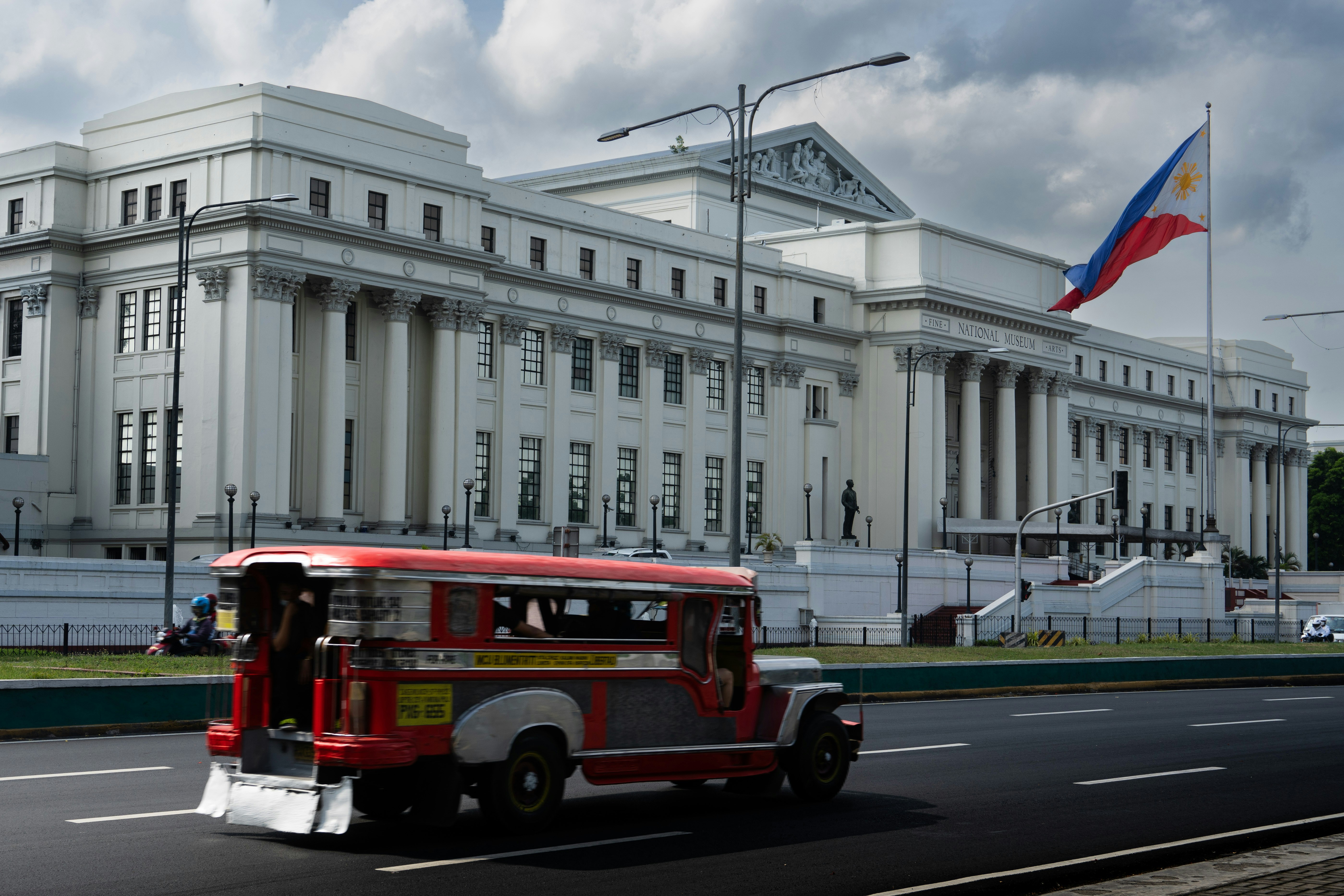
The iconic Philippine jeepney is the cheapest way to get around. Fares start at ₱15 ($0.25) for the first 4 km. Routes are marked on the front of the jeepney — look for signs saying your destination (e.g., "SM City", "Toril", "Maa").
Jeepneys can be confusing for first-timers, but locals are always happy to help. Just ask "Para po!" (stop please) when you want to get off.
Tricycle & Habal-Habal (Motorcycle Taxi)
For short distances and areas not served by jeepneys, tricycles (motorcycle with sidecar) and habal-habal (motorcycle taxi) are your options. Short rides cost ₱15–30 ($0.25–0.50). For longer trips (e.g., to Malagos or Jack's Ridge), expect ₱50–150 ($0.90–2.60).
Renting a Vehicle
If you want to explore the surrounding countryside at your own pace, car and motorcycle rental is available:
- Car rental: ₱1,500–3,000/day ($26–53) through agencies like Hertz, Avis, or local operators
- Motorcycle/scooter rental: ₱350–500/day ($6–9) — available at various shops in the city
- International Driving Permit required for foreigners
💡 Pro tip: If you're planning day trips to Eden Nature Park, Malagos, and the Philippine Eagle Center, consider hiring a tricycle or habal-habal driver for the day (~₱800–1,200 / $14–21). It's often more convenient than arranging individual rides.
Food & Drink in Davao
Must-Try Dishes
Durian 🍈 Davao is the durian capital of the Philippines, and you haven't truly visited Davao until you've tried the "king of fruits." The city produces premium varieties including Puyat (rich, creamy, very pungent), Arancillo (bittersweet, complex), and Montañeza (mild, good for beginners). During peak season (August–October), durian prices drop to ₱30–60/kg ($0.50–1/kg) — an incredible bargain for what's considered a luxury fruit elsewhere.
If you're durian-curious but nervous, try durian candy, durian ice cream, or durian pie at Malagos Garden Resort first. The chocolate-durian combination at Malagos is exceptional.
Kinilaw 🐟 The Filipino version of ceviche, and Davao does it best thanks to its access to incredibly fresh tuna. Raw fish is "cooked" in vinegar, calamansi, ginger, onions, and chili. It's refreshing, tangy, and utterly addictive. Try it at Roxas Night Market or at local restaurants like Lachi's.
Tuna Panga & Belly 🐠 Davao's grilled tuna jaw (panga) and belly is legendary — meaty, smoky, and fall-off-the-bone tender. Best enjoyed at Roxas Night Market or at Ah Fat Seafood on Quirino Avenue. A whole tuna panga costs around ₱300–500 ($5–9) and feeds 2–3 people.
Other local specialties:
- Sinuglaw — A Davao original combining sinugba (grilled pork belly) with kinilaw (raw fish ceviche). The sweet-smoky-sour combination is incredible.
- Lachi's Sans Rival — Lachi's is a Davao institution famous for its sans rival (layered meringue cake with buttercream). Their version is widely considered the best in the Philippines.
- Tuna kinilaw with Manggang Hilaw — Green mango salad paired with kinilaw, a common Davao combination.
- Inihaw na Pusit — Grilled squid stuffed with tomatoes and onions, a Roxas Night Market staple.
Where to Eat
| Restaurant | Cuisine | Budget | Highlights |
|---|---|---|---|
| Roxas Night Market | Street food | ₱100–200 ($1.75–3.50) | The essential Davao food experience |
| Lachi's | Filipino/Spanish | ₱200–400 ($3.50–7) | Sans rival, pastries, hearty Filipino meals |
| Ah Fat Seafood | Chinese/Seafood | ₱300–600 ($5–10) | Fresh seafood, dim sum, Davao institution |
| Tiny Kitchen | Filipino | ₱200–400 ($3.50–7) | Home-style Filipino cooking, generous portions |
| Karlos Restaurant | Filipino | ₱300–500 ($5–9) | Fine dining Filipino, great for special occasions |
| Blue Posts Boiling Crabs | Seafood | ₱400–700 ($7–12) | Boiled shrimp, crabs, and crawfish with dipping sauces |
| Manang Lucy's | Filipino | ₱150–300 ($2.60–5) | Budget-friendly local favorites |
| Eden Nature Park Restaurant | Buffet | ₱400 ($7) | Mountain buffet with organic vegetables |
Davao's Unique Food Rules
Davao has some distinctive local ordinances that affect your dining experience:
- No smoking in any public establishment — including restaurants and bars
- Alcohol sales stop at 1:00 AM — bars stop serving at this time
- No firecrackers during New Year — Davao has banned them since 2002
Sample Itineraries
2 Days in Davao — City Highlights
Day 1: City Sights & Night Market
| Time | Activity | Cost |
|---|---|---|
| 8:00 AM | Breakfast at your hotel or a local turo-turo (eatery) | ₱50–100 |
| 9:00 AM | People's Park — morning stroll | Free |
| 10:00 AM | San Pedro Cathedral & Chinatown (Mindanao Taoist Temple) | Free |
| 12:00 PM | Lunch at Lachi's — try the sans rival for dessert | ₱300 |
| 1:30 PM | Museo Dabawenyo — learn about local culture | Free |
| 3:00 PM | Davao Crocodile Park — crocodile feeding at 4:00 PM | ₱300 |
| 6:00 PM | Roxas Night Market — dinner and street food | ₱200 |
| Total | ~$12–15 |
Day 2: Nature & Views
| Time | Activity | Cost |
|---|---|---|
| 6:00 AM | Early departure for Eden Nature Park | ₱50 (jeepney) |
| 8:00 AM – 12:00 PM | Eden Nature Park — trails, gardens, buffet breakfast | ₱750 |
| 1:00 PM | Return to city, lunch at Tiny Kitchen | ₱300 |
| 3:00 PM | Jack's Ridge — coffee, sunset views | ₱200 |
| 7:00 PM | Dinner at Blue Posts Boiling Crabs | ₱500 |
| Total | ~$30–35 |
3 Days in Davao + Samal Island
Day 1: City Sights (same as Day 1 above)
Day 2: Samal Island Day Trip
| Time | Activity | Cost |
|---|---|---|
| 7:30 AM | Ferry to Samal Island from Santa Ana Wharf | ₱30 |
| 8:30 AM | Monfort Bat Sanctuary | ₱100 |
| 10:00 AM | Hagimit Falls — swimming | ₱50 |
| 12:00 PM | Lunch at a beachfront resort | ₱300 |
| 1:30 PM | Beach time at Punta Del Sol or Canibad Beach | Beach entrance ~₱50 |
| 4:00 PM | Ferry back to Davao | ₱30 |
| 7:00 PM | Dinner at Roxas Night Market | ₱200 |
| Total | ~$18–20 |
Day 3: Philippine Eagle Center & Malagos
| Time | Activity | Cost |
|---|---|---|
| 7:00 AM | Depart for Malagos | ₱100 |
| 8:30 AM | Philippine Eagle Center | ₱200 |
| 11:00 AM | Malagos Garden Resort — chocolate workshop & lunch | ₱850 |
| 3:00 PM | Return to city | ₱100 |
| 4:30 PM | Last-minute shopping at Aldevinco Shopping Center (souvenirs, tribal crafts) | Shopping budget |
| 7:00 PM | Farewell dinner at Karlos Restaurant | ₱500 |
| Total | ~$30–35 |
💡 Pro tip: Book a Klook day tour for Samal Island or the Philippine Eagle Center + Malagos combo for hassle-free transportation and a guided experience.
Davao on a Budget
Daily Budget Breakdown
| Category | Budget | Mid-Range | Luxury |
|---|---|---|---|
| Accommodation | $8–15 (dorm/hostel) | $40–80 (hotel) | $100–200 (resort) |
| Food | $5–8 (street food, turo-turo) | $15–25 (restaurants) | $30–50 (fine dining) |
| Transport | $2–3 (jeepney, walking) | $5–10 (Grab) | $15–25 (private car) |
| Activities | $3–5 (free parks + 1 paid) | $10–20 (2–3 attractions) | $30–50 (tours, resorts) |
| Total per day | $18–31 | $70–143 | $175–325 |
Free & Cheap Activities
- People's Park — Free. Beautiful gardens, sculptures, Sunday Zumba class
- Roxas Night Market — Free entry. Food costs ₱10–200 per item
- San Pedro Cathedral — Free
- Chinatown & Mindanao Taoist Temple — Free to explore
- Museo Dabawenyo — Free
- Beach at Times Beach — Free public beach within the city (not the best beach, but decent for a sunset walk)
- Aldevinco Shopping Center — Browse (no obligation to buy). Great for souvenirs, tribal crafts, and textiles.
Money-Saving Tips
- Eat at Roxas Night Market — A full meal of grilled tuna, rice, and fresh fruit costs under ₱150 ($2.60). This is the best food value in the city.
- Stay at a dorm — Dorm beds in Davao start at $8/night, making it one of the cheapest cities in the Philippines for backpackers.
- Use jeepneys — At ₱15 per ride, jeepneys are the cheapest way to cover longer distances.
- Combine Malagos trips — The Philippine Eagle Center and Malagos Garden Resort are both in Barangay Malagos. Visit both in one day to save on transport.
- Visit during off-peak — Hotel rates drop 30–40% outside the December–February peak and during Kadayawan.
- Buy fruit at Bankerohan Public Market — The city's main public market has the cheapest and freshest fruit. Durian in season, pomelo, mangosteen, and lanzones are all available at wholesale prices.
Frequently Asked Questions
Is Davao City safe for tourists?
Yes. Davao is widely regarded as the safest major city in the Philippines. The city enforces strict local ordinances including a comprehensive smoking ban, a 1:00 AM alcohol curfew, and a speed limit. Violent crime against tourists is very rare. That said, exercise normal precautions: keep valuables secure, be aware of your surroundings at night, and avoid isolated areas after dark. The Philippine government maintains a travel advisory for parts of Mindanao, but Davao City and its immediate surroundings (including Samal Island) are generally excluded from these warnings.
When is durian season in Davao?
Peak durian season runs from August to October, with a secondary harvest in March to April. During peak season, durian prices can drop to ₱30–60/kg ($0.50–1/kg) — incredibly cheap for what's considered a luxury fruit in other countries. If you're visiting outside these windows, you can still find durian year-round at higher prices, and durian-based products (candy, ice cream, pastries) are always available.
How do I get a permit to climb Mt. Apo?
Contact the Davao City Tourism Operations Office (DTO) or the Kidapawan Tourism Office well in advance (at least 2 weeks). Permits are limited to protect the mountain, and climbing is only allowed during designated seasons (typically March–April and October–November). You'll need to provide identification, a medical certificate, and register with a guide. Many trekkers book through tour operators who handle all permits — check Klook or local Davao tour companies.
How do I get from Davao to Samal Island?
Take a ferry from Santa Ana Wharf in Davao. Ferries run every 15–20 minutes from 6:00 AM to 9:00 PM daily. The crossing takes about 10 minutes and costs ₱15–30 ($0.25–0.50). If you're staying at a resort on Samal, many offer free boat transfers for guests. There have been discussions about building a bridge to Samal, but as of 2026, the ferry remains the primary connection.
What's the best area to stay in Davao?
For first-timers, stay in the Poblacion/City Center area — it's walking distance to People's Park, Roxas Night Market, San Pedro Cathedral, and most tourist attractions. For a more upscale experience, Lanang offers luxury hotels near SM Lanang Premier mall. For a beach holiday, stay directly on Samal Island — the ferry connection is fast and easy.
Is Davao worth visiting compared to Palawan or Boracay?
Davao offers a completely different experience from Palawan or Boracay. While Palawan and Boracay are pure beach destinations, Davao is a diverse city with mountains, wildlife, culture, and food as its main draws. Samal Island provides beach access, but it won't match El Nido's lagoons or Boracay's White Beach. What Davao offers that those destinations can't: authentic Filipino city life, the safest environment in the Philippines, Mt. Apo climbing, world-class durian, and significantly lower prices. It's an excellent destination for travelers who want substance over polish.
Do I need a visa to visit Davao?
Davao follows the same visa rules as the rest of the Philippines. Most Western nationals receive a 30-day visa-free stay upon arrival. This can often be extended up to 36 months for a fee at the Bureau of Immigration. Check the Philippine Bureau of Immigration for the latest visa requirements for your nationality.
What should I pack for Davao?
- Light, breathable clothing — Davao is tropical and humid year-round
- Light rain jacket or umbrella — Afternoon showers are common
- Comfortable walking shoes — For sightseeing and temple visits
- Insect repellent — Essential for Samal Island and the Monfort Bat Sanctuary
- Modest clothing — For visiting churches and indigenous communities
- Sunscreen and hat — For Eden Nature Park and Mt. Apo
- Power adapter — Philippines uses Type A/B (same as the US, 220V)
Davao City is a destination that rewards the curious traveler. Whether you're climbing the Philippines' highest peak, devouring the world's best durian, or simply watching the sunset from Jack's Ridge with a cold San Miguel in hand, Davao delivers genuine Filipino experiences that the more tourist-trodden islands simply can't match. Plan your trip, pack light, and prepare to be surprised by everything this incredible city has to offer.
For more Philippines travel guides, explore our Palawan Travel Guide, El Nido vs Coron comparison, and Southeast Asia 1-Month Itinerary.
Book your Davao hotel on Booking.com or Agoda for the best rates, and find activities on Klook.
Explore the Destination
Davao Travel Guide
Hotels, activities, and travel tips for Davao
You Might Also Like