Bagan Temple Guide 2026 | Waddat
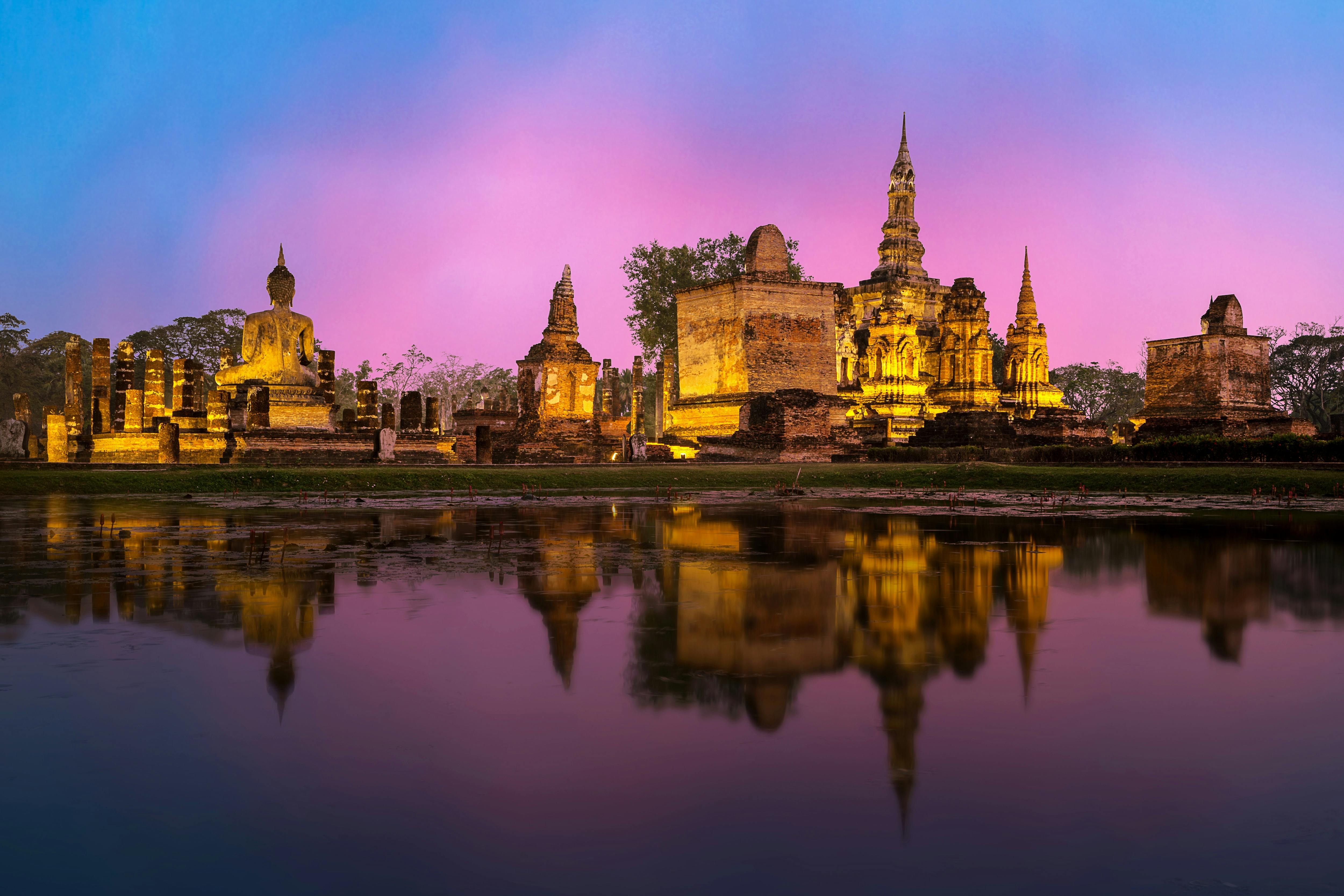
Spread across a vast, sun-scorched plain in central Myanmar, Bagan is home to over 2,000 ancient Buddhist temples, pagodas, and monasteries — making it one of the most extraordinary archaeological sites on Earth. Built between the 9th and 13th centuries during the height of the Pagan Empire, this sacred landscape rivals Angkor Wat in scale and beauty, yet receives a fraction of the visitors.
Whether you're watching the sunrise paint dozens of temple spires in shades of gold and pink from atop a centuries-old stupa, drifting over the plains in a hot air balloon at dawn, or exploring hidden frescoes in a barely-visited temple, Bagan delivers the kind of awe-inspiring moments that define a lifetime of travel. This Bagan temple guide covers everything: the best temples to visit, how to get there, where to stay, unique experiences, itineraries, and all the practical details you need.
Table of Contents
- Important: Travel Situation in Myanmar
- Practical Info: Fees & Permits
- How to Get to Bagan
- Where to Stay in Bagan
- Top 15 Temples to Visit in Bagan
- Unforgettable Experiences in Bagan
- Getting Around Bagan
- Bagan Itineraries
- Bagan Travel Tips
- Frequently Asked Questions
Important: Travel Situation in Myanmar
Before planning your trip, it's essential to understand the current situation in Myanmar. Following the political events of 2021, the country has experienced ongoing instability, and many governments have issued travel advisories.
What you need to know:
- Check your government's travel advisory before booking. The US State Department, UK FCDO, and Australian DFAT all have active advisories for Myanmar
- Tourist areas like Bagan have generally remained safe for visitors, but the situation can change rapidly
- Some embassies have reduced or suspended operations in Yangon — ensure you have up-to-date consular information
- ATM access and international card payments can be unreliable — carry sufficient USD cash (crisp, unblemished bills)
- Internet access may be intermittently restricted; download offline maps and translation apps before arrival
- Travel insurance may not cover trips to Myanmar depending on your country's advisory level — verify before purchasing
If you decide to visit, Bagan remains one of the safest areas for tourists in Myanmar, and the local community relies heavily on tourism. Travel with a reputable local operator, stay informed through your embassy, and maintain flexible plans.
Practical Info: Fees & Permits
Bagan Archaeological Zone Fee
- Cost: 25,000 MMK (~$7–8 USD)
- Purchase: Available at checkpoints when entering the Bagan archaeological zone, or at the Bagan Cultural Heritage Zone office
- Validity: 5 days (as of 2026 — confirm on arrival as regulations can change)
- Keep your ticket: You'll need to show it at major temples, especially popular ones like Ananda and Shwezigon
Myanmar Visa
Most nationalities require a visa to enter Myanmar:
- e-Visa: Available online at evisa.moip.gov.mm. Processing takes 1–3 business days. Cost: $50 USD for tourist visa (28 days)
- Visa on Arrival: Available for select nationalities at Yangon, Mandalay, and Naypyidaw airports. Check eligibility before traveling
- Requirements: Passport valid for 6+ months, one passport photo, proof of onward travel
Currency
- Myanmar Kyat (MMK): 1 USD ≈ 2,100 MMK (rate fluctuates)
- Bring USD cash: Crisp, unblemished $50 and $100 bills get the best exchange rates. Torn or marked bills may be refused
- Exchange: Available at the airport, banks in major towns, and authorized exchange counters. Avoid unofficial street exchangers
- ATMs: Available in Nyaung U and New Bagan, but can run out of cash. Withdraw larger amounts when possible
How to Get to Bagan
By Air — The Most Convenient Option
Nyaung-U Airport (NYU) — also called Bagan Airport — is the closest airport, located just 10 minutes from the temple zone.
| From | Flight Time | Typical Cost | Airlines |
|---|---|---|---|
| Yangon (RGN) | 1.25 hours | $80–140 | Myanmar National Airlines, Air KBZ |
| Mandalay (MDL) | 30 minutes | $60–100 | Myanmar National Airlines, Air KBZ |
| Heho (Inle Lake) | 45 minutes | $70–120 | Myanmar National Airlines |
Getting from the airport: Most hotels arrange free or low-cost pickup ($3–5 by taxi). Otherwise, a taxi from NYU to Old Bagan or New Bagan costs around $5–8.
💡 Tip: Flight schedules in Myanmar can be unreliable and may change with short notice. Book with flexible dates and have a backup plan. Check our Southeast Asia itinerary guide for ideas on combining Bagan with other regional destinations.
From Mandalay
By Bus (most popular overland route):
- Duration: 4–5 hours
- Cost: $8–15 (day bus), $12–20 (VIP overnight bus)
- Departures: Multiple daily from Mandalay's Highway Bus Station
- Arrival: Bagan Shwe Pyi Bus Terminal, then a short taxi ride to your hotel
By Boat (scenic but slower):
- Duration: 9–11 hours (slow boat), 5–6 hours (express)
- Cost: $30–45 (slow boat), $40–60 (express)
- Scenery: Beautiful Irrawaddy River views, passing riverside villages and monasteries
- Departures: Usually 6–7am from Gawwein Jetty in Mandalay
- Tip: Book at least a day in advance, especially during peak season (November–February)
By Private Taxi:
- Duration: 3–3.5 hours
- Cost: $60–80
- Best for: Groups of 3–4 people, or those who value comfort and flexibility
From Yangon
- By air: 1.25 hours (see flight table above)
- By overnight VIP bus: 9–10 hours, $15–25. JJ Express and Shwe Mandalar are reputable operators
- By train: 12+ hours on a scenic but slow route. Not recommended for most travelers due to uncomfortable conditions
Where to Stay in Bagan
Bagan has three main areas to base yourself, each with a different vibe and budget range. For hotel bookings, we recommend checking Booking.com and Agoda for the best rates.
Old Bagan — Inside the Temple Zone
The most atmospheric place to stay, surrounded by ancient temples. This was the original archaeological zone, and regulations limit new construction here.
- Vibe: Serene, historic, walking distance to major temples
- Best for: First-timers, photographers, luxury travelers
- Price range: $40–200+/night (few budget options due to location restrictions)
- Top picks:
- Bagan Thande Hotel — Historic riverside hotel with sunset views ($80–120)
- The Hotel @ Tharabar Gate — Boutique hotel steps from Tharabar Gate ($60–100)
New Bagan — South of the Zone
The main tourist hub with the widest range of accommodations, restaurants, and travel services.
- Vibe: Lively, convenient, good dining scene
- Best for: Mid-range travelers, social atmosphere, families
- Price range: $15–80/night
- Top picks:
- Ostello Bello — Excellent hostel with pool, bar, and social vibe ($12–20 dorm, $30–50 private)
- Bagan Umbra Hotel — Stylish mid-range option with great views ($40–70)
Nyaung U — North of the Zone
The local town where the airport and bus station are located. More authentic and significantly cheaper than Old or New Bagan.
- Vibe: Local, bustling, authentic Myanmar life
- Best for: Budget travelers, longer stays, those wanting a local experience
- Price range: $8–40/night
- Top picks:
- Winner Guest House — Clean, friendly budget guesthouse ($10–18)
- The Lodge @ Nyaung U — Comfortable mid-range option ($25–40)
💡 Tip: We recommend staying in New Bagan for first-timers — it offers the best balance of convenience, atmosphere, and price. For a luxurious experience, Old Bagan can't be beaten.
Top 15 Temples to Visit in Bagan
With over 2,000 structures, you can't see them all. Here are the temples that should be at the top of your Bagan itinerary.
1. Ananda Temple ⭐ Must-Visit
The crown jewel of Bagan's temples, Ananda is one of the finest surviving examples of Mon architecture in Myanmar.
- Built: 1091 AD by King Kyanzittha
- Significance: One of Bagan's four great temples; houses four standing Buddha statues each facing a cardinal direction
- Best time: Early morning (8–9am) when sunlight streams through the entrances, illuminating the Buddha faces
- What makes it special: The corridor walls are lined with hundreds of glazed terra-cotta tiles depicting scenes from the Jataka tales (previous lives of the Buddha). The symmetry and proportions are considered architecturally perfect
- Fee: Covered by archaeological zone ticket
2. Shwezigon Pagoda ⭐ Must-Visit
This massive gold-studded pagoda is Bagan's most important religious site and the prototype for all later Myanmar-style stupas — including Yangon's Shwedagon.
- Built: Started 1059 AD by King Anawrahta, completed by King Kyanzittha
- Significance: Enshrines a replica of the Buddha's tooth and frontlet bone; one of Myanmar's most revered pilgrimage sites
- Best time: Late afternoon when the gold surface glows in the setting sun
- What makes it special: The 37 nats (spirit houses) around the platform make it the center of nat worship in Bagan. The stone pillars inscribed with Mon-language texts are some of the oldest written records in Myanmar
- Fee: Covered by archaeological zone ticket
3. Dhammayangyi Temple
The largest temple in Bagan by volume, known for its massive scale and dark history.
- Built: 1167–1170 AD by King Narathu
- Significance: The largest temple structure in Bagan; built by a king said to have murdered his father and brother
- Best time: Late afternoon for dramatic light on the massive brick exterior
- What makes it special: The inner passageways are partially bricked up, and some believe King Narathu was assassinated here before the temple was completed. The maze-like corridors have an eerie, atmospheric quality. Its mortar-free brickwork is an engineering marvel
- Note: Some interior areas may be restricted — respect any barriers
4. Sulamani Temple
Often called the "crowning jewel" of late-period Bagan architecture, Sulamani is renowned for its exquisite interior murals.
- Built: 1183 AD by King Narapatisithu
- Significance: Represents the finest architectural and artistic achievement of Bagan's later period
- Best time: Mid-morning for the best light on the exterior carvings; the interior murals are best viewed with a flashlight
- What makes it special: The two-story design blends earlier and later architectural styles. The interior walls feature some of Bagan's best-preserved 12th-century murals depicting Buddhist cosmology, court life, and religious scenes. Bring a small flashlight to appreciate the details
- Fee: Covered by archaeological zone ticket
5. Thatbyinnyu Temple
The tallest temple in Bagan at 61 meters (200 feet), Thatbyinnyu's soaring silhouette dominates the plains.
- Built: Mid-12th century by King Alaungsithu
- Significance: The highest structure in Bagan; represents the transition between early and late architectural styles
- Best time: Sunset — climb to the upper terraces for panoramic views (if open)
- What makes it special: The five-stage receding terraces create an elegant pyramidal silhouette visible from across the plains. The temple's name means "omniscience" and it was designed to represent Mount Meru, the cosmic center of the Buddhist universe
- Note: Upper terrace access may be restricted to protect the structure
6. Shwesandaw Pagoda
One of the most popular sunset viewpoints in Bagan, thanks to its terraced design and central location.
- Built: 1057 AD by King Anawrahta
- Significance: Said to enshrine a hair relic of the Buddha; one of Bagan's oldest and most important pagodas
- Best time: Sunset — arrive at least 45 minutes early to secure a spot on the terraces
- What makes it special: The five receding terraces provide an unobstructed 360-degree view of the temple-studded plains. At sunset, dozens of temple spires are silhouetted against the sky in a scene that has become one of Myanmar's most iconic images
- Tip: Extremely popular at sunset — if you prefer fewer crowds, nearby Pyathada Pagoda offers similar views with fewer visitors
7. Bupaya Pagoda
Perched on the banks of the Irrawaddy River, Bupaya is one of the most photographed temples in Bagan.
- Built: Originally 3rd century (legend), current structure rebuilt after the 1975 earthquake
- Significance: One of the oldest sites in Bagan; marks the spot where King Pyusawhti defeated a giant ogress (according to legend)
- Best time: Sunset for riverside golden hour photography
- What makes it special: The bulbous, gourd-shaped dome (bupaya means "gourd pagoda") reflected in the Irrawaddy River at sunset is one of Bagan's most romantic scenes
- Note: The original 3rd-century structure was destroyed in the 1975 earthquake. What you see today is a careful reconstruction
8. Gawdawpalin Temple
The second-tallest temple in Bagan, known for its elegant proportions and stunning location near the river.
- Built: Late 12th century by King Narapatisithu
- Significance: One of the largest and most impressive temples in Bagan, rivaling Thatbyinnyu in height
- Best time: Early morning or late afternoon for the best light on the detailed exterior
- What makes it special: The three lower terraces contain some of Bagan's finest green-tinted glazed plaques. The upper shrine room contains a Buddha image with an unusually expressive face. Sunset from the upper terraces is spectacular and less crowded than Shwesandaw
- Tip: Look for the small nat shrine in the southeast corner of the compound
9. Manuha Temple
One of the oldest and most unique temples in Bagan, known for its unusually large Buddha images in surprisingly cramped spaces.
- Built: 1059 AD by the captive Mon King Manuha
- Significance: Built by a defeated king, reflecting his feelings of confinement during captivity
- Best time: Any time — the interior experience is consistent regardless of light
- What makes it special: The giant seated Buddha in the main hall barely fits within the temple walls, and the massive reclining Buddha seems to be straining to escape. Many visitors find the temple profoundly moving — the disproportion between the Buddha images and their enclosures is believed to represent King Manuha's frustration at being held captive by King Anawrahta
- Fee: 3,000 MMK (~$1.50) separate from the zone ticket
10. Nanpaya Temple
Built from the same period as Manuha Temple, this small but exquisite temple features some of Bagan's finest stone carvings.
- Built: Late 11th century (possibly built as Manuha's residence)
- Significance: Features the finest stone relief carvings in Bagan — intricate depictions of Brahma faces with lotus-flower headdresses
- Best time: Morning light brings out the details of the sandstone carvings
- What makes it special: The four pillars in the central sanctuary are each carved with a different Brahma face — the attention to detail is extraordinary. The small scale makes it feel intimate and personal compared to the grand temples
- Fee: 3,000 MMK (~$1.50)
11. Abeyadana Temple
A hidden gem known for its remarkable frescoes blending Buddhist and Hindu imagery.
- Built: Late 11th century by Queen Abeyadana, wife of King Kyanzittha
- Significance: Features unique artistic elements reflecting both Theravada Buddhism and Hindu/Brahmanic traditions
- Best time: Mid-morning with a flashlight to see the murals in the inner chambers
- What makes it special: The murals depict Hindu deities alongside Buddhist scenes — you'll find images of Brahma, Vishnu, and Shiva alongside the Buddha. This reflects the syncretic religious environment of early Bagan. The colors have survived remarkably well
- Tip: Bring a flashlight and look for the small entrance to the inner corridors where the best-preserved murals are hidden
12. Mingalazedi Pagoda
The last major pagoda built before the fall of the Pagan Empire, Mingalazedi represents the final flowering of Bagan's golden age.
- Built: 1274–1284 AD by King Narathihapate
- Significance: The last major monument of the Pagan Empire; its completion coincided with the empire's decline
- Best time: Sunset — the terraces offer panoramic views similar to Shwesandaw but with far fewer tourists
- What makes it special: The three terraces are adorned with beautiful glazed terra-cotta plaques depicting Jataka tales. The pagoda's completion marked the end of Bagan's great temple-building era, giving it a poignant historical significance
- Tip: A great alternative to Shwesandaw for sunset — fewer crowds and equally stunning views
13. Htilominlo Temple
Known for its detailed plaster moldings and elegant three-story design, Htilominlo is a highlight of Bagan's late period.
- Built: 1211 AD by King Htilominlo
- Significance: Built on the spot where the king was chosen as crown prince by a white umbrella leaning toward him
- Best time: Morning for photography; the east-facing entrance catches beautiful early light
- What makes it special: The exterior features some of the finest and best-preserved plaster moldings in Bagan — intricate floral and mythological designs that showcase the incredible craftsmanship of the period. The sandstone fragments in the courtyard are worth examining up close
- Fee: Covered by archaeological zone ticket
14. Dhammayazika Pagoda
A unique circular pagoda standing apart from Bagan's typically square or rectangular temples.
- Built: 1196–1198 AD by King Narapatisithu
- Significance: The only major circular pagoda in Bagan; represents a unique departure from traditional design
- Best time: Late afternoon — the circular design creates interesting shadows and the surrounding plain is beautiful in golden hour light
- What makes it special: The circular base contains shrines with Buddha images from different countries, symbolizing the spread of Buddhism across Asia. The unusual shape makes it stand out among Bagan's thousands of structures. It's also one of the quieter major temples
- Tip: Walk the circumference of the base to find the small, hidden shrines with their unique Buddha images
15. Laymyetnha Temple
One of the oldest temples in Bagan, notable for its simple but beautiful design and historical significance.
- Built: Early 12th century by King Sawlu
- Significance: One of the earliest double-storied temples in Bagan, predating the more famous Thatbyinnyu and Gawdawpalin
- Best time: Any time — the small interior doesn't depend on natural light
- What makes it special: The temple contains four Buddha images in four niches, each facing a cardinal direction. While not as grand as Ananda, the proportions are harmonious and the atmosphere is peaceful. Very few tourists visit, making it a great escape from the crowds
- Tip: Combine with nearby Manuha and Nanpaya for a quiet morning circuit away from the main tourist areas
Unforgettable Experiences in Bagan
Beyond temple-hopping, Bagan offers several unique experiences that shouldn't be missed.
Hot Air Balloon Rides at Sunrise 🎈
Floating over thousands of ancient temples at dawn is one of Southeast Asia's most iconic travel experiences — and arguably Bagan's single most unforgettable activity.
- Cost: $300–400 USD per person (prices vary by operator and season)
- Duration: Approximately 45–60 minutes in the air
- Time: Pre-dawn launch (around 5:30am, depending on season)
- Operators: Balloons Over Bagan (pioneer), Oriental Ballooning, and STP Ballooning
- What to expect: Watch the sunrise over the Irrawaddy River while dozens of temples pass beneath you. After landing, there's a champagne toast (or fruit juice)
- When to book: At least 2–3 weeks in advance during peak season (November–February). Flights operate only during the dry season (October–March)
- Weather dependency: Flights can be cancelled due to wind or rain. Operators will usually try to reschedule for the next day
💡 Tip: Budget for this experience if possible — it truly is a once-in-a-lifetime moment. If it's beyond your budget, the sunrise views from temple terraces are still absolutely stunning.
Sunrise & Sunset Viewpoints
Bagan is famous for its sunrises and sunsets, and choosing the right viewpoint can make or break the experience.
Best sunrise viewpoints:
- Shwesandaw Pagoda — Classic panoramic view, very popular. Arrive by 5:15am to get a spot
- Buledi (or Bulethi) Temple — Less crowded than Shwesandaw, equally stunning views over the eastern plains
- Mingalazedi Pagoda — Excellent alternative with fewer tourists
- Lawkananda Pagoda — Riverside location with the Irrawaddy River in the foreground
Best sunset viewpoints:
- Pyathada Pagoda — Wide-open terraces, panoramic views, fewer restrictions on photography. Our top pick
- Shwesandaw Pagoda — The classic, but expect crowds
- Gawdawpalin Temple — Excellent elevated views, less crowded
- Bupaya Pagoda — For riverside sunset photos with the Irrawaddy
⚠️ Note: Temple climbing restrictions change periodically to protect the structures. Some upper terraces may be off-limits. Respect all barriers and signage — these are irreplaceable cultural treasures.
E-Bike Exploration
Exploring the temple plains by e-bike is the most fun and flexible way to experience Bagan. With the wind in your hair and ancient temples appearing around every corner, it feels like an adventure.
- Cost: 5,000–10,000 MMK ($2.50–5) per day
- Where to rent: Shops in New Bagan and Nyaung U — most hotels can arrange rentals too
- Battery life: Typically 20–30 km, enough for a full day of exploring
- Best routes: Head east toward the river in the morning for sunrise temples, then explore the central and southern plains in the afternoon
- Tip: Start early (6am) to avoid the midday heat. Bring water and a charged phone for photos and GPS
Horse Cart Rides
For a more traditional and romantic way to explore Bagan, horse cart rides offer a slower, more contemplative pace.
- Cost: $15–25 for a half-day (3–4 hours), $25–40 for a full day
- Where to arrange: Your hotel, or directly from drivers near major temples
- What to expect: A comfortable, shaded ride at walking pace through the temple plains. Drivers usually know the best routes and can suggest lesser-known temples
- Tip: Agree on the price and itinerary beforehand. A half-day tour covering 5–7 temples is ideal for most visitors
Traditional Lacquerware Workshop
Bagan is famous for its lacquerware, and visiting a workshop is a fascinating cultural experience.
- Cost: Free to visit workshops (tips appreciated)
- Where: Several workshops in New Bagan and Myinkaba village
- What to expect: Watch artisans at every stage of the process — from shaping bamboo frames to applying dozens of layers of lacquer, hand-polishing, and etching intricate designs
- Time needed: 30–60 minutes
- Shopping: Lacquerware makes an excellent souvenir. Small bowls start at $5–10; larger decorative pieces can be $30–100+
Getting Around Bagan
E-Bike (Best Overall)
The most popular way to explore Bagan. Fast enough to cover distance, flexible enough to stop at any temple, and just plain fun.
- Cost: $2.50–5/day
- Pros: Freedom, fun, quiet, easy to park at temples
- Cons: Battery can run out on long days, limited in extreme heat
Taxi / Private Car
Best for those who want air-conditioning and don't want to navigate.
- Cost: $25–35/day for a private car with driver
- Pros: Comfortable, air-conditioned, knowledgeable drivers
- Cons: Less spontaneous, more expensive, less immersive
Horse Cart
The most atmospheric option, perfect for a relaxed half-day tour.
- Cost: $15–25/half day
- Pros: Romantic, traditional, no effort required, drivers know the routes
- Cons: Slow, limited range, less comfortable in extreme heat
Walking
Possible for exploring clusters of nearby temples, but not practical for covering the full archaeological zone.
- Cost: Free
- Pros: Quiet, intimate, great for photography, no environmental impact
- Cons: Distances between temples are large, midday heat is brutal, limited range
💡 Our recommendation: Rent an e-bike for full-day exploration, and book a horse cart for one morning as a special experience. This combination gives you both flexibility and tradition.
Bagan Itineraries
One-Day Bagan Itinerary
Perfect for travelers short on time who want to see the absolute highlights.
Early Morning (5:00–8:00am)
- 5:00am: Head to your chosen sunrise viewpoint (Buledi or Shwesandaw)
- 6:30am: Explore Ananda Temple in the beautiful morning light
- 7:30am: Visit nearby Sulamani Temple for its remarkable murals
Mid-Morning (8:00–11:00am)
- 8:00am: Breakfast at a café in Old Bagan or New Bagan
- 9:30am: Visit Shwezigon Pagoda and explore the nat shrines
- 10:30am: Quick stop at Thatbyinnyu Temple (exterior views)
Afternoon (3:00–5:00pm) — rest during the hottest part of the day
- 3:00pm: Explore Dhammayangyi Temple's atmospheric corridors
- 4:00pm: Visit Manuha Temple and Nanpaya Temple
- 4:30pm: Browse lacquerware workshops in Myinkaba village
Sunset (5:00–6:30pm)
- 5:00pm: Head to Pyathada Pagoda for sunset
- 6:30pm: Dinner in New Bagan
Three-Day Bagan Itinerary
The ideal amount of time to explore Bagan deeply without temple fatigue.
Day 1: The Classics
- Sunrise at Shwesandaw or Buledi
- Ananda Temple → Shwezigon Pagoda → Thatbyinnyu Temple
- Lunch in New Bagan
- Afternoon: Dhammayangyi Temple → Sulamani Temple
- Sunset at Pyathada Pagoda
Day 2: Hidden Gems & Experiences
- Sunrise at Mingalazedi Pagoda (fewer crowds)
- Morning: Abeyadana Temple (frescos) → Dhammayazika Pagoda (circular design) → Laymyetnha Temple
- Late morning: Lacquerware workshop in Myinkaba
- Lunch in Myinkaba or Nyaung U
- Afternoon: Horse cart tour through the eastern temples (Manuha, Nanpaya, and surroundings)
- Sunset at Bupaya Pagoda (riverside)
Day 3: Riverside & Local Life
- Sunrise at Lawkananda Pagoda (Irrawaddy River views)
- Morning: Explore the northern temples by e-bike (Htilominlo, Gawdawpalin)
- Late morning: Visit Nyaung U market for a glimpse of local life
- Lunch in Nyaung U (try local tea shops and Burmese food)
- Afternoon: Hot air balloon ride (if budget allows) OR final temple exploration at your own pace
- Farewell sunset at your favorite spot
💡 For a broader Myanmar trip: Bagan pairs beautifully with Mandalay (4–5 hours by bus/boat) and Inle Lake (short flight from NYU). For more ideas on combining destinations, check out our Southeast Asia itinerary guide.
Bagan Travel Tips
Best Time to Visit Bagan
- November–February (Cool & Dry): Peak season. Pleasant temperatures (18–31°C), minimal rain, clear skies. Best for sunrise/sunset views and hot air balloons. Book early — prices are highest
- October & March: Shoulder season. Good weather with smaller crowds and lower prices. Excellent value
- April–May (Hot Season): Extremely hot (35–43°C). Not recommended unless you're a heat-tolerant traveler. Some hotels close
- June–September (Rainy Season): Lush green scenery, very few tourists, lowest prices. Afternoon rains are common but rarely last all day. Hot air balloons don't operate. A good option for budget travelers
Our pick: November to mid-February for the best overall experience.
Dress Code & Temple Etiquette
- Cover shoulders and knees at all temples — carry a sarong or light scarf
- Remove shoes and socks before entering any temple (bring slip-on sandals)
- Don't point your feet at Buddha images — it's considered disrespectful
- Speak softly inside temples
- Ask permission before photographing monks or local people
- Don't touch murals, carvings, or Buddha images — oils from your skin cause damage
Photography Tips
- Golden hour is everything — the warm light transforms the temples and plains
- Bring a wide-angle lens for temple interiors and panoramic views
- Visit popular viewpoints 30–45 minutes before sunrise/sunset to secure a spot
- Explore at midday for photos inside temples (when the light is even)
- Respect photography restrictions — some areas prohibit flash or photography entirely
Responsible Tourism
- Don't climb restricted structures — many temples have been damaged by tourist traffic. Respect all barriers and signage
- Support local businesses — eat at local restaurants, buy crafts directly from artisans, hire local guides
- Stay on paths — walking off-trail damages the archaeological site
- Don't buy antiques — it's illegal to export genuine antiquities from Myanmar, and purchasing them encourages looting
- Conserve water — Bagan's water supply is limited, especially during the dry season
Health & Safety
- Stay hydrated — carry water everywhere, especially from March to May
- Wear sunscreen and a hat — the plains offer almost no shade
- Bring mosquito repellent — especially at dawn and dusk
- Travel insurance — verify your policy covers Myanmar given the current travel advisories
- Medical facilities are basic — for serious issues, you may need to travel to Mandalay or Yangon
Money-Saving Tips
- Rent an e-bike instead of hiring a private car ($3 vs $30/day)
- Eat at local teashops and markets — a full meal costs $1.50–3
- Stay in Nyaung U for the cheapest accommodation options
- Negotiate — always agree on prices for horse carts, taxis, and boat rides beforehand
- Carry small bills in both USD and MMK
Frequently Asked Questions
How many days do you need in Bagan?
Two to three days is ideal. One day covers the highlights, but two to three days lets you explore at a relaxed pace, discover lesser-known temples, and experience sunrise and sunset from multiple viewpoints. For a comprehensive Myanmar trip, plan 3 weeks minimum — see our Southeast Asia itinerary for route ideas.
Is Bagan safe to visit?
Bagan itself has generally remained safe for tourists even during Myanmar's recent political instability. However, the broader situation in Myanmar is unpredictable. Check your government's travel advisory, register with your embassy, maintain flexible plans, and stay updated on developments. Most travelers who visit Bagan report feeling safe and welcomed by the local community.
How much does a trip to Bagan cost?
Budget traveler: $25–40/day (hostel, e-bike, street food, temple visits) Mid-range traveler: $50–80/day (comfortable hotel, e-bike/taxi, restaurant meals, some paid activities) Luxury traveler: $150–300+/day (boutique hotel in Old Bagan, private car, hot air balloon, fine dining)
The hot air balloon experience alone costs $300–400 but is a once-in-a-lifetime splurge.
Can you climb the temples in Bagan?
Climbing policies change frequently. After the 2016 earthquake damaged several structures, authorities restricted access to many temple terraces. Some viewpoints (Shwesandaw, Pyathada, Mingalazedi) may still allow limited access, but check current regulations on arrival. Always respect barriers and signage — these are irreplaceable monuments.
Is it worth doing a hot air balloon ride?
If your budget allows, absolutely. It's consistently rated as one of the top travel experiences in all of Southeast Asia. Drifting silently over 2,000 ancient temples at sunrise, with the Irrawaddy River glinting in the distance, is genuinely magical. Book well in advance during peak season (November–February).
What should I pack for Bagan?
- Lightweight, modest clothing (shoulders and knees covered for temples)
- Comfortable walking shoes + easy slip-on sandals for temples
- Sunscreen, hat, sunglasses
- Small flashlight or phone flashlight (for temple interiors and murals)
- Reusable water bottle
- Power bank (long days of exploring drain batteries)
- USD cash (crisp, unblemished bills) + local MMK
- Light scarf/shawl for temple visits
- Rain jacket (June–October)
Do I need a guide?
Not strictly necessary — the major temples have informational signs, and guidebooks/apps cover the basics. However, a knowledgeable local guide (typically $20–35/day) adds enormous value, providing historical context, taking you to lesser-known temples, and sharing cultural insights you'd miss on your own. If you're a history enthusiast, we recommend hiring a guide for at least one day.
Bagan is a destination that stays with you long after you leave. There's something profoundly moving about watching the sun rise over a landscape that ancient kings devoted their lives — and fortunes — to building. Whether you spend one day or three, this extraordinary corner of Myanmar will change the way you think about travel, history, and the human capacity to create beauty.
For more Myanmar and Southeast Asia travel planning, check out these related Waddat guides:
- Southeast Asia 1-Month Itinerary — Include Myanmar in your regional adventure
- Luang Prabang Travel Guide — Another UNESCO World Heritage gem
- Chiang Mai Travel Guide — Thailand's cultural capital (gateway to Myanmar)
- Bangkok Travel Guide — Common gateway for Myanmar flights
- 5 Days in Vietnam Itinerary — Combine with Myanmar for a diverse SE Asia trip
Last updated: April 2026. Travel information can change rapidly — always verify current conditions before your trip.
Explore the Destination
Bagan Travel Guide
Hotels, activities, and travel tips for Bagan
You Might Also Like