
Thailand
Bangkok
November to February (cool and dry season)
$30-80 USD
Thai (English widely spoken in tourist areas)
UTC+7
About
Discover Bangkok
Bangkok, Thailand's sprawling capital, is one of Southeast Asia's most captivating cities — a place where gleaming Buddhist temples sit beside glass-fronted skyscrapers, and street food vendors compete for attention with Michelin-starred restaurants. Known officially as Krung Thep Maha Nakhon, the city has served as the seat of the Thai monarchy since 1782 and today attracts over 22 million international visitors per year, making it one of the world's most-visited cities.
The Chao Phraya River divides the city into distinct neighborhoods, each with its own personality. Rattanakosin Island, the historic core, is home to the Grand Palace and Wat Phra Kaew — the temple of the Emerald Buddha — as well as Wat Pho, famous for its enormous reclining Buddha statue and as the birthplace of traditional Thai massage. Across the river, Wat Arun (Temple of Dawn) rises in intricate porcelain-studded spires, particularly stunning at dusk when lit against the sky.
Beyond its temples, Bangkok pulses with culinary energy. Yaowarat Road in Chinatown comes alive after dark with roasted duck vendors and seafood stalls. Chatuchak Weekend Market — one of the largest markets in the world — offers everything from antiques to live animals across over 15,000 stalls. Khao San Road remains a hub for budget travellers seeking lively nightlife, while the rooftop bars of the Silom and Sukhumvit districts attract a more upscale crowd.
Getting around Bangkok is straightforward thanks to the BTS Skytrain (elevated rail) and MRT subway, which connect key commercial and tourist districts. The city is also well served by river ferries and the iconic tuk-tuk, ideal for short journeys through the old town. Traffic congestion is significant during peak hours, so planning routes via public transport is advisable.
Bangkok's shopping scene ranges from vast air-conditioned malls like Siam Paragon and CentralWorld to bohemian boutiques in the Ari and Thonglor neighborhoods. For wellness seekers, traditional Thai massage parlours are ubiquitous, from basic foot massage shops to luxury hotel spas. The city's international airport, Suvarnabhumi (BKK), is a major regional hub, with the older Don Mueang (DMK) handling many budget carrier routes. Bangkok is an ideal base for day trips to Ayutthaya, the ancient capital, the floating markets of Damnoen Saduak, and the bridge on the River Kwai near Kanchanaburi.
When to Go
Best Time to Visit Bangkok
Bangkok is hot year-round, but the difference between a comfortable trip and a sweltering one comes down to timing. The best months are November to February, the cool dry season, when daytime temperatures sit around 25–32 °C, humidity drops and the evenings are genuinely pleasant. This is peak season, so book hotels early and expect higher rates.
- Nov–FebCool & dry. The ideal window — clear skies, comfortable heat, but the busiest and priciest time.
- Mar–MayHot season. Temperatures regularly climb past 38 °C. Worth it for Songkran (Thai New Year water festival, 13–15 April) if you can take the heat.
- Jun–OctRainy season. Hot, humid, with short intense afternoon downpours rather than all-day rain. The cheapest time to visit, and the greenest.
Attractions
Things to Do in Bangkok
Bangkok repays three or four days at minimum. The headline sights are its glittering temples and the Grand Palace, but the city's real magic is its street life — markets, river life and the best food in Southeast Asia. For our full deep dive, follow the Bangkok travel guide.
Grand Palace & Wat Phra Kaew
The crown jewel of Thai architecture and home to the Emerald Buddha, the most sacred object in the kingdom. The gold-leaf spires, murals and garudas are genuinely breathtaking — go right at the 8:30 AM opening to beat both the heat and the tour-bus crowds. Allow 2–3 hours and dress conservatively (covered shoulders and knees, no flip-flops).
Entry 500 THB (~$14); 8:30 AM–3:30 PM daily. See our Grand Palace guide.
Wat Pho & the Reclining Buddha
Our favourite of Bangkok's temples — more relaxed than the Grand Palace and a working monastery. The 46-metre gilded Reclining Buddha is the draw, but Wat Pho is also the birthplace of traditional Thai massage, and you can get a genuine one inside the temple pavilion.
Entry 300 THB (~$8.70); 8 AM–6:30 PM. Foot massage inside ~260 THB. More in our Wat Pho guide.
Wat Arun — Temple of Dawn
The porcelain-encrusted riverside prang you've seen on every Thailand postcard. Climb the steep steps for panoramic views across the Chao Phraya, then cross to the east bank for the classic sunset photo with the stupa lit up in gold. A short, cheap ferry ride from Wat Pho.
Entry 100 THB (~$2.90); 8 AM–6 PM. Details in our Wat Arun guide.
Chatuchak Weekend Market
One of the world's largest markets — over 15,000 stalls selling everything from vintage clothing and plants to handicrafts and street food across 27 sections. It's overwhelming in the best way. Arrive early Saturday or Sunday morning, bring cash and an empty bag. A BTS ride to Mo Chit drops you at the gate.
Free entry; 9 AM–6 PM weekends. Plan with our Chatuchak guide.
Chao Phraya River & the Canals
The river is Bangkok's original highway and still its most scenic way to travel. Hop an orange flag local boat for a few baht, take a longtail tour of the khlongs (canals) to glimpse old wooden stilt houses, or end the day on a dinner cruise past the illuminated temples.
Local boats from 16 THB (~$0.45); tourist longtails ~1,000–1,500 THB/hour negotiable.
Yaowarat (Chinatown) & Street Food
Come after 6 PM when neon signs flicker on and hundreds of carts fire up along Yaowarat Road. It's the densest concentration of street food in the city — grilled seafood, dim sum, oyster omelettes and the famous mango sticky rice. Join a street food tour to eat like a local on your first night.
Bang Krachao — the “Green Lung”
A mangrove forest across the river from downtown Bangkok that feels like leaving the city entirely. Rent a bicycle (~50 THB/day) and ride elevated wooden boardwalks through the canopy, past hidden temples and parkland. A perfect half-day escape from the heat and noise.
Transport
How to Get Around Bangkok
Skip the taxis — Bangkok traffic is legendary, and the city has Southeast Asia's best public transit. The BTS Skytrain and MRT subway connect nearly everything a visitor needs, and they're air-conditioned, cheap and frequent. Use the practical options below:
- BTS SkytrainThe fastest way across town. Covers Sukhumvit, Siam and Silom. Fares 16–59 THB ($0.50–1.70); buy a single-trip ticket or a stored-value Rabbit Card.
- MRT subwayComplements the BTS with different routes, reaching Hua Lamphong station, Chatuchak and the Queen Sirikit park. Fares 16–40 THB ($0.50–1.15).
- River boatsOrange-flag commuter boats along the Chao Phraya are scenic and cheap (from 16 THB). Tourist boats cost more but stop at every temple pier.
- Grab & BoltApp rides beat haggling with taxis. Cars from ~35 THB ($1) base; GrabBike weaves through traffic for short hops. Always check the app price first.
- Tuk-tukFun for a short thrill but a tourist trap for real transport — fares 50–200 THB and you must negotiate hard. Agree the price before you get in.
Both airports connect to the city by rail: the Airport Rail Link runs from Suvarnabhumi (BKK) to Phaya Thai, and a free shuttle plus MRT serves Don Mueang (DMK). From Bangkok, day-trip to the ancient capital of Ayutthaya (90 minutes by train) or head north to Chiang Mai and south to the beaches of Phuket or Koh Samui.
Accommodation
Where to Stay in Bangkok
Your neighbourhood matters more than your hotel in Bangkok. Pick a base near a BTS or MRT station and the whole city opens up — from $10 dorm beds to five-star riverfront suites, the value here is exceptional.
Sukhumvit — best for first-timers
The modern heart of the city, packed with shopping malls, restaurants and nightlife, with the BTS running straight down its spine. Stay near Asok or Thong Lo for the best access. Suits every budget, from the Lub d hostel up to luxury high-rises.
Old City (Rattanakosin) — best for culture
Walking distance from the Grand Palace, Wat Pho and the National Museum. Slower-paced, more traditional, and far cheaper than Sukhumvit. The trade-off is fewer transit links, so it suits travellers happy to walk or use river boats.
Silom — best for budget & business
The financial district by day and the home of Patpong night market by night. Excellent mid-range value, two BTS lines, and leafy Lumphini Park for morning runs. A solid all-rounder.
Riverside — best for romance & luxury
Five-star hotels line the Chao Phraya with sunset views of Wat Arun. Quieter and more atmospheric than the central districts — the splurge pick for a special trip or honeymoon.
For more options and current prices, see our Best Hotels in Bangkok Under $100 guide.
Food & Drink
What & Where to Eat in Bangkok
Bangkok's street food is genuinely world-class — you can eat spectacularly for under $5 a meal. Don't overthink it: follow the locals and the queues.
Pad Thai — Get the famous egg-wrapped version at Thip Samai on Maha Chai Road. Tom Yum Goong — the iconic spicy-sour shrimp soup, best at P'Aor on Sukhumvit Soi 26. Som Tum — fiery green papaya salad; ask for mild (pet nit nawy) unless you want to cry.
Boat noodles — tiny bowls of intense pork-bone broth near Victory Monument. Mango sticky rice — peak season April–May but available year-round. And the simplest, most underrated meal: gai tod (Thai fried chicken) with sticky rice.
- Yaowarat (Chinatown)The street-food epicentre. Come after 6 PM for grilled seafood at T&K and dozens of Michelin-listed stalls.
- Jodd FairsThe trendiest night market in the city — viral dishes, creative fusion and a great atmosphere. Open evenings, closed Wednesdays.
- Or Tor KorThe premium food market near Chatuchak — pristine produce, ready-to-eat dishes and the best fruit selection in Thailand.
Plan Your Trip
Practical Tips & Budget
Bangkok is one of the best-value big cities in Asia. Most Western passport holders get 60 days visa-free on arrival. The currency is the Thai baht (THB); exchange at Super Rich booths (not the airport) for the best rates, and expect a 220 THB fee per ATM withdrawal.
How much does Bangkok cost?
- Budget$25–40/day — hostel dorm bed ($8–15), street food meals ($2–4), BTS rides and one paid attraction.
- Mid-range$60–120/day — a good 3–4 star hotel, sit-down dinners, a massage and a couple of tours.
- Luxury$200+/day — five-star riverside hotel, fine dining and private guides.
Good to know
- SIM card: Buy AIS or DTAC at the airport — 15–30 GB for ~$10–15 for 30 days.
- Apps: Download Grab, Bolt and Google Translate (Thai offline) before you arrive.
- Temple dress code: Cover shoulders and knees, no flip-flops. Carry a sarong.
- Scams: Ignore “the temple is closed” tuk-tuk offers, gem-investment pitches and unmetered taxis.
- Tipping: Not expected, but rounding up for good service is appreciated.
Ready to build an itinerary? Pair this with our 3 days in Bangkok itinerary and the Thailand budget travel guide for the full picture.
Powered by Trip.com
Find Hotels in Bangkok
Where to Stay
Best Hotels in Bangkok
Luxury Hotels

Mandarin Oriental, Bangkok
The Mandarin Oriental Bangkok is one of Asia's most storied hotels, having welcomed guests since 1876. Set along the Chao Phraya River, it combines old-world elegance with modern refinement across 331 rooms and suites. Two Michelin-starred restaurants, lavish spa facilities, and impeccable riverside service make it a perennial choice for discerning travellers.

Capella Bangkok
Capella Bangkok is a ultra-luxury riverside retreat that opened in 2021 on the banks of the Chao Phraya. Its 101 riverside pavilions and suites are among the most spacious in the city, many featuring private pools. The hotel's Côte by Mauro Colagreco restaurant has earned international acclaim, and the Auriga Wellness spa offers comprehensive wellness programmes.

The Peninsula Bangkok
The Peninsula Bangkok occupies a commanding position on the Chao Phraya's west bank, directly opposite the historic Bangrak district. The hotel's 370 rooms and suites are finished to Peninsula's signature exacting standards, with sweeping river views from most floors. A three-tiered pool, river shuttle, and one of Bangkok's finest Thai restaurants round out an exceptional guest experience.

Rosewood Bangkok
Rosewood Bangkok soars 30 floors above Ploenchit Road in the city's central business district. The hotel's 159 rooms and suites blend Thai artistic heritage with a sleek contemporary aesthetic. Multiple food and beverage concepts — including a rooftop bar with panoramic city views — and a signature Sense spa make it a standout urban retreat.

Kimpton Maa-Lai Bangkok
Kimpton Maa-Lai Bangkok is a playfully designed luxury hotel near Lumpini Park, combining the Kimpton brand's signature creative spirit with a distinctly Thai sense of warmth. Its 362 rooms and apartments feature bold artistic interiors, and the hotel's Cocotte restaurant has gained a loyal following for its European-inspired menu. The rooftop pool and social hour in the lobby make it a lively yet stylish base.

The Okura Prestige Bangkok
The Okura Prestige Bangkok is a Japanese-managed luxury hotel occupying the upper floors of the Park Ventures Ecoplex tower on prestigious Wireless Road. Its 240 rooms and suites offer an airy, minimalist aesthetic inspired by Japanese omotenashi hospitality. The infinity pool on the 25th floor, Up & Above restaurant, and meticulous attention to service detail make it consistently popular with business and leisure travellers.
Mid-Range Hotels

SO/ Bangkok
SO/ Bangkok is a design-forward lifestyle hotel on Sathorn Road, created in collaboration with French fashion house Christian Lacroix. Its 237 rooms feature bold, nature-inspired themes across five different design concepts. A striking outdoor pool, destination restaurant, and rooftop bar draw both hotel guests and Bangkok's social set. The hotel sits a short walk from Lumphini Park and has direct BTS access.

Mövenpick BDMS Wellness Resort Bangkok
Mövenpick BDMS Wellness Resort Bangkok is a health-focused five-star hotel on Wireless Road, developed in partnership with BDMS medical group. Its 294 rooms incorporate wellness-oriented design, and guests have access to an extensive spa, an indoor pool, a fully equipped fitness centre, and curated healthy dining menus. It is a strong choice for travellers who want luxury accommodation with a focus on health and recovery.

Chatrium Hotel Riverside Bangkok
Chatrium Hotel Riverside Bangkok is a spacious five-star hotel set directly on the Chao Phraya River, offering all-suite accommodation with generous room sizes starting at 55 square metres. Its eight restaurants and bars, riverside infinity pool, and private pier with complimentary shuttle boats to the nearby Asiatique night market make it particularly popular with families and leisure travellers.

Centara Grand at CentralWorld
Centara Grand at CentralWorld towers above Bangkok's premier shopping district, connected directly to the CentralWorld shopping complex. Its 505 rooms and suites cater to both business and leisure guests, with a rooftop pool, multiple dining venues, and access to the Grand Spa. The hotel's location at the heart of the Ratchaprasong intersection makes it one of the most convenient bases for exploring the city's shopping and entertainment districts.
Budget Options

Lub d Bangkok Siam
Lub d Bangkok Siam is a popular design hostel-hotel across from the MBK Center shopping mall, directly connected to the National Stadium BTS station. It offers a mix of dormitory beds and private rooms, all finished in a colourful, contemporary style. Social spaces, a ground-floor bar, and regular events make it one of Bangkok's best social hubs for budget travellers.

Lub d Bangkok Chinatown
Lub d Bangkok Chinatown is a newer outpost of the beloved budget brand, strategically positioned in the heart of Bangkok's Chinatown district near Yaowarat Road. Compact rooms and well-designed dorms cater to budget travellers, while the proximity to some of Bangkok's best street food, the Pak Khlong Talat flower market, and the Old Town's temple district makes this a superb location for first-time visitors.

The Yard Hostel Bangkok
The Yard Hostel Bangkok is a characterful boutique hostel in the leafy residential Ari neighbourhood, a short walk from Ari BTS station. Its lush garden courtyard, vintage decor, and community-focused design set it apart from the typical hostel experience. A popular restaurant and bar, regular social events, and comfortable dorm and private rooms draw a loyal traveller following.

NapPark Hostel
NapPark Hostel is a well-regarded pod-style hostel steps from the legendary Khao San Road backpacker strip, in the heart of Bangkok's historic Phra Nakhon district. Private sleeping pods with curtains, reading lights, and individual charging points offer more privacy than traditional bunk beds. The location is superb for visiting Wat Pho, the Grand Palace, and the Old Town on foot.
Experiences
Things to Do in Bangkok
Grand Palace and Historic Temples Private Tour with Canal Boat Ride
A comprehensive private tour covering Bangkok's most celebrated historical sites — the Grand Palace, Wat Phra Kaew (Temple of the Emerald Buddha), Wat Pho, and Wat Arun — with a scenic canal boat ride through the city's network of klongs. Having a private guide ensures flexible timing and in-depth cultural and historical commentary throughout.
Guided Half-Day Visit to Grand Palace and Wat Phra Kaew
This guided half-day excursion focuses on the Grand Palace complex, one of Southeast Asia's most awe-inspiring royal sites, and the adjacent Wat Phra Kaew which houses the sacred Emerald Buddha. A knowledgeable guide provides context on the history of the Thai monarchy and Buddhist traditions, making the visit far more rewarding than a self-guided tour.
Bangkok Temples Full-Day Tour with Grand Palace Entry
A full-day guided exploration of Bangkok's most important Buddhist temples, including the Grand Palace, Wat Pho with its massive reclining Buddha statue, and Wat Arun on the opposite riverbank. The tour provides a thorough grounding in Thai Buddhism and royal history, with a lunch break and river crossing included.
Luxury Private Tour: Top 3 Temples and Thai Buddhism Tradition
A premium private tour visiting Bangkok's three most significant temples in a luxury vehicle, with an expert guide who provides deep insight into Thai Buddhist practice and the significance of temple art and architecture. Ideal for travellers who want a culturally immersive experience without the crowds of group tours.
Bangkok Day Trip to Ayutthaya with Private Boat Tour
This premium full-day excursion takes you to Ayutthaya — Thailand's ancient capital and UNESCO World Heritage Site — with a private boat tour of the island city's spectacular ruined temple complexes. Once the most powerful city in Southeast Asia, Ayutthaya's crumbling prangs and headless Buddhas are among the most haunting and rewarding sights in the country.
Guided Day Trip of Ayutthaya with Summer Palace and Temple Visits
A well-structured guided day trip to Ayutthaya covering the atmospheric temple ruins and the royal Bang Pa-In Summer Palace, a unique blend of Thai and European architectural styles built as a royal retreat. This tour provides strong historical context alongside access to two of Thailand's most impressive heritage sites.
Floating and Railway Markets Private Tour with Coconut Farm Visit
This private full-day tour combines two of Bangkok's most distinctive market experiences — the iconic floating market and the famous Maeklong Railway Market where vendors fold back their stalls to let trains pass — with a visit to a traditional coconut farm. An authentic glimpse into Thailand's rural and trading traditions.
Private Tour of Amphawa Floating Market, Railway Market and Boat Ride
Amphawa is considered the most atmospheric of Thailand's floating markets, set along a canal lined with wooden shophouses where vendors sell fresh seafood and traditional Thai sweets from boats. This private tour pairs it with the Maeklong Railway Market and a scenic boat ride, making for one of the most memorable day excursions from Bangkok.
Bangkok Evening Markets and Boat Trip on a Private Adventure
Bangkok's night markets come alive as the sun sets, and this private evening tour takes you through the city's most vibrant after-dark markets by boat and on foot. Street food, local crafts, and the glow of lanterns over the water create an atmosphere that is impossible to replicate during daylight hours.
Luxury Dinner Cruise with Buffet, Live Music and Hotel Pickup
One of Bangkok's most popular evening experiences, this luxury dinner cruise glides along the Chao Phraya River with views of illuminated temples, the Grand Palace, and Wat Arun from the water. An international and Thai buffet, live music performances, and hotel pickup make for an effortless and memorable night on the river.
Afternoon Tea at Hyatt Regency Hotel Bangkok
Indulge in an elevated afternoon tea experience at the Hyatt Regency Bangkok, featuring a curated selection of Western pastries, finger sandwiches, Thai-inspired sweet bites, and premium teas. The refined setting and attentive service make this a pleasant respite from Bangkok's energetic streets, ideal for a leisurely midday break.
Grand Palace, Emerald Buddha and Flower Market Private Tour
This private tour pairs Bangkok's most famous royal and religious site — the Grand Palace and Emerald Buddha temple — with a visit to the Pak Khlong Talat flower market, one of Bangkok's most colourful and photogenic locations. The contrast between solemn temple architecture and the explosion of tropical blooms makes for a wonderfully varied day.
Information
Frequently Asked Questions
What is the best time of year to visit Bangkok?
How do I get around Bangkok?
Is Bangkok safe for tourists?
What should I wear when visiting Bangkok's temples?
What currency does Bangkok use and can I use credit cards?
What are the top day trips from Bangkok?
What is the food scene like in Bangkok?
Do I need a visa to visit Bangkok, Thailand?
Thailand
More in Thailand
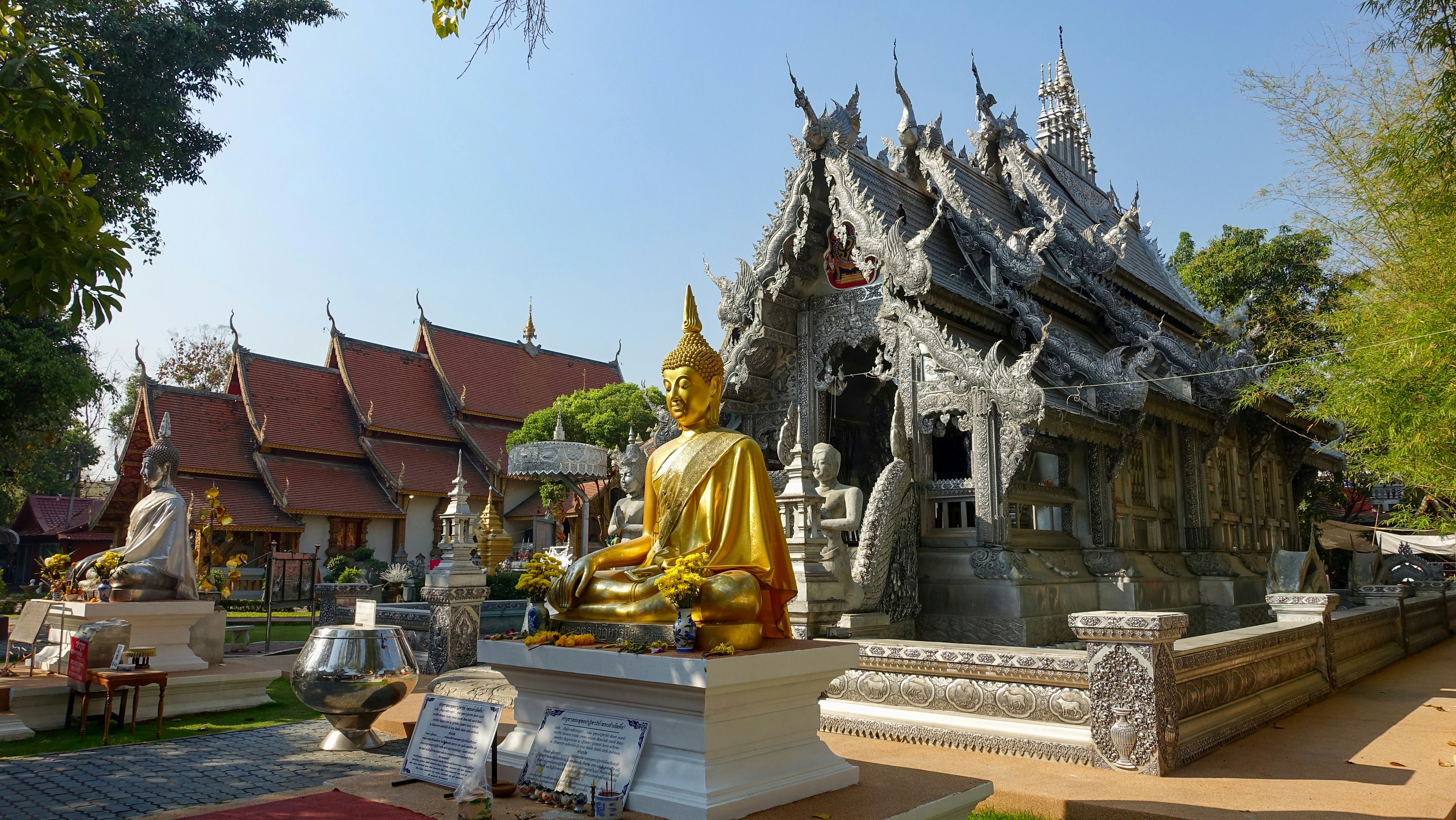
Chiang Mai
Mountain culture, ancient temples, and night bazaars.

Chiang Rai
White Temple, Golden Triangle, and hill tribe culture.

Phuket
Pristine beaches, luxury resorts, and island adventures.
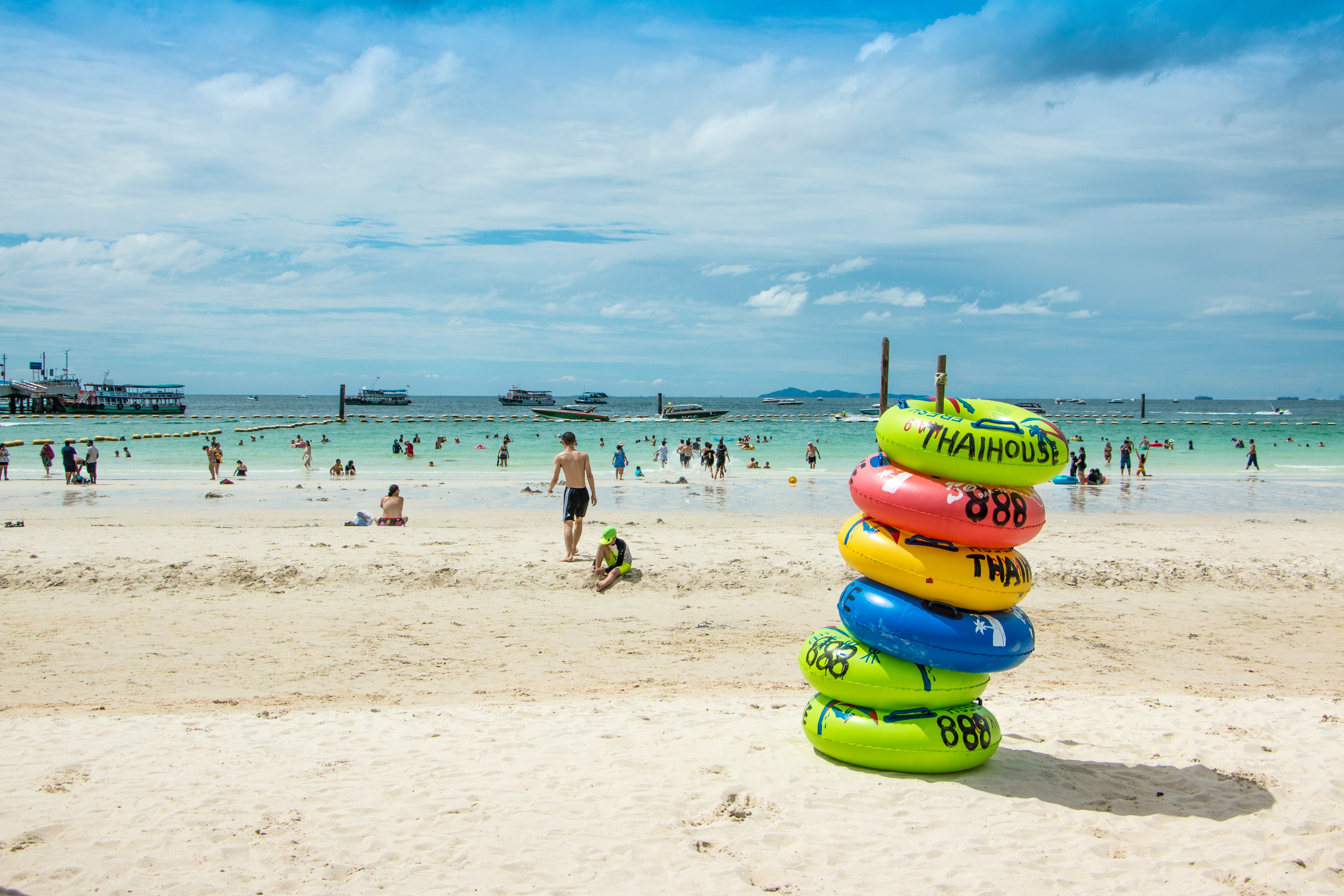
Pattaya
Coastal resort city with beaches and vibrant entertainment.

Koh Samui
Tropical island paradise with palm-fringed beaches and luxury spas.

Krabi
Dramatic limestone cliffs, Railay Beach, and island hopping.
Nearby