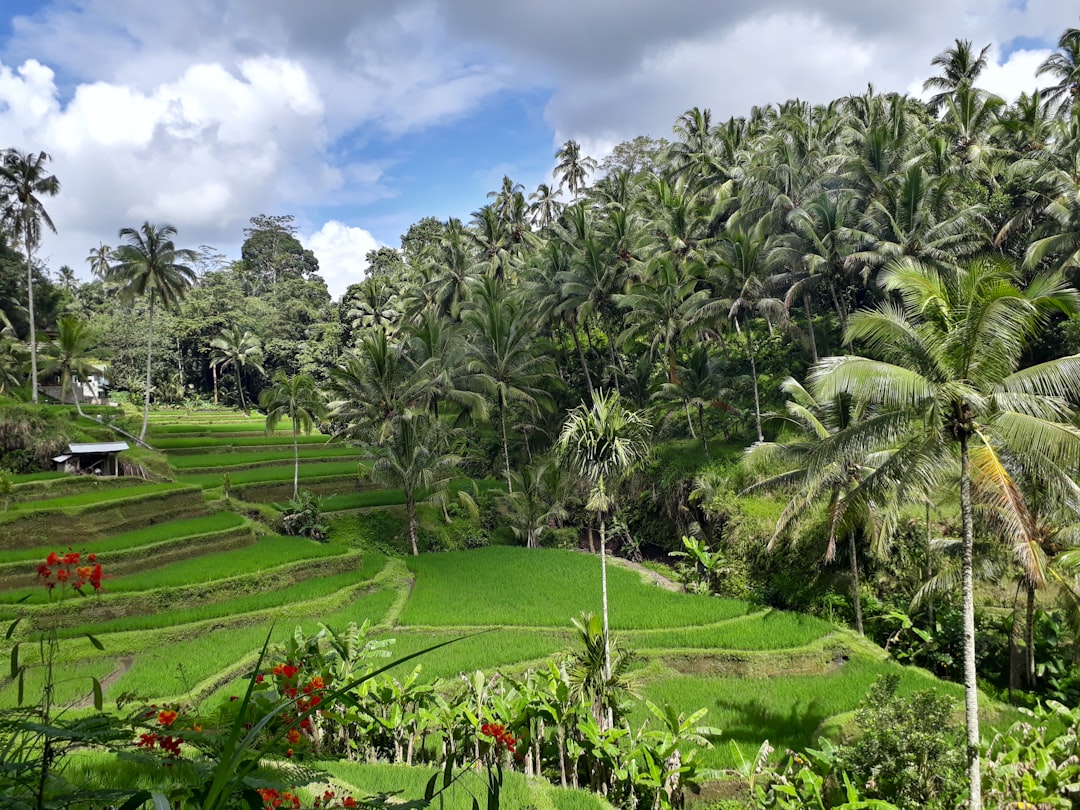
Nov – Feb
Mar – May
Jun – Oct
May, Sep – Oct
Overview
Southeast Asia's Seasons Explained
Southeast Asia spans 11 countries across tropical and subtropical zones, which means there's no single “best time” for the whole region. The key is matching your destinations to the right months.
The golden rule: mainland Southeast Asia (Thailand, Vietnam, Cambodia, Laos, Myanmar) is best from November to February — cool, dry, and pleasant. Bali and Indonesia flip this schedule: their dry season runs April to October.
This guide breaks down the weather month by month, country by country, with practical advice on pricing, crowds, and festivals so you can plan the perfect trip.
In This Guide
- Month-by-Month: Full 12-month weather table
- By Country: Dry/wet seasons for each destination
- Festivals: When the big celebrations happen
- Budget Tips: Cheapest times and shoulder seasons
- Planning: How to route around weather
Month-by-Month
2026 Weather at a Glance
Quick reference for the entire year. Green = dry season, amber = shoulder, red = extreme heat, blue = monsoon.
Jan
Dry & Cool
26–32°C
Peak season everywhere
Feb
Dry & Warm
27–33°C
Tet festival, cherry blossoms in Chiang Mai
Mar
Getting Hot
28–35°C
Shoulder pricing begins
Apr
Hottest Month
30–40°C
Songkran water festival, very hot
May
Transition
28–36°C
Low prices, first rains arrive
Jun
Monsoon Starts
27–34°C
Bali peak season; mainland wet
Jul
Monsoon Peak
27–33°C
European summer holidays, Bali busy
Aug
Monsoon
27–33°C
Bali busiest month, north Vietnam fine
Sep
Monsoon Tailing
27–33°C
Lush green landscapes, low crowds
Oct
Transition
27–33°C
Rains end in most of mainland SEA
Nov
Dry Season Starts
26–32°C
Yi Peng lanterns, shoulder pricing
Dec
Cool & Dry
25–31°C
Peak season, book early
By Country
Country-by-Country Seasons
Each country has its own dry and wet seasons. Here's the breakdown you need.
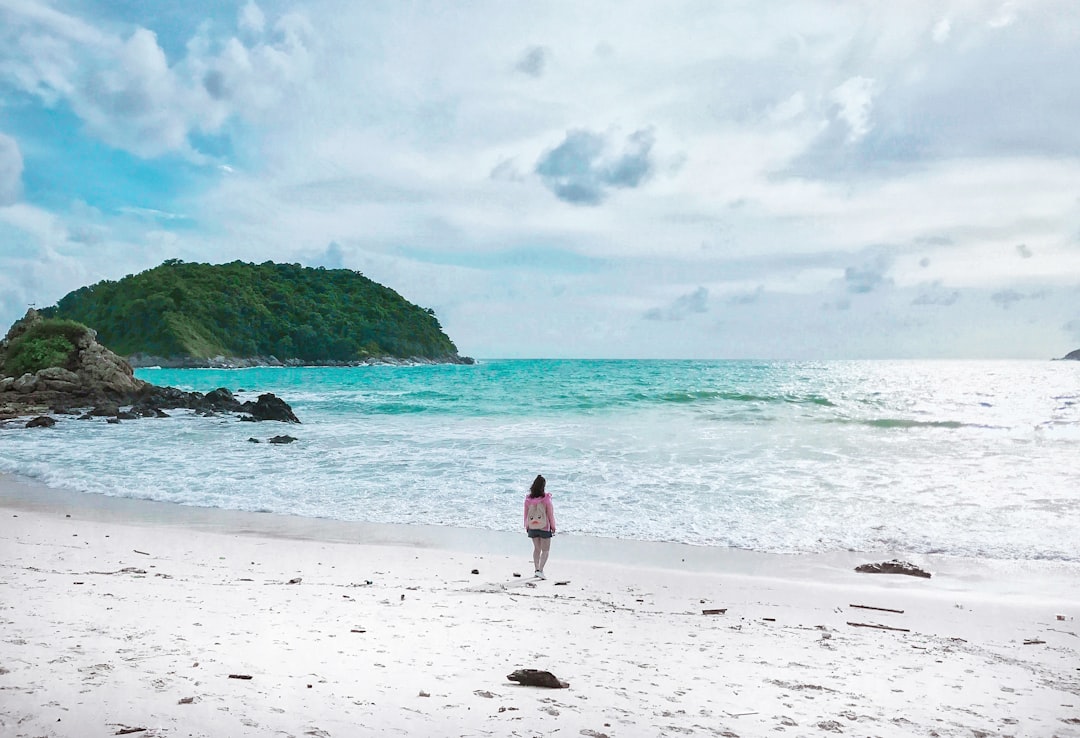
Thailand
Dry Season
Nov–Apr
Wet Season
May–Oct
Best Time
Nov–Feb
Peak Season
Dec–Jan
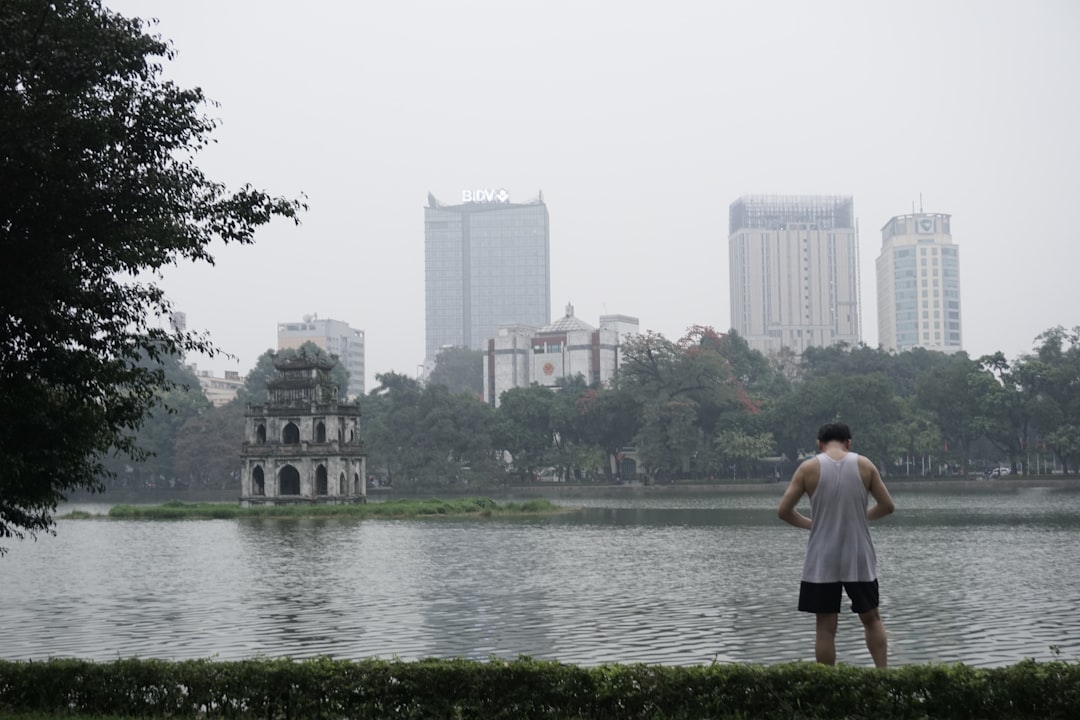
Vietnam
Dry Season
Oct–Apr (south)
Wet Season
May–Sep
Best Time
Feb–Apr
Peak Season
Dec–Feb
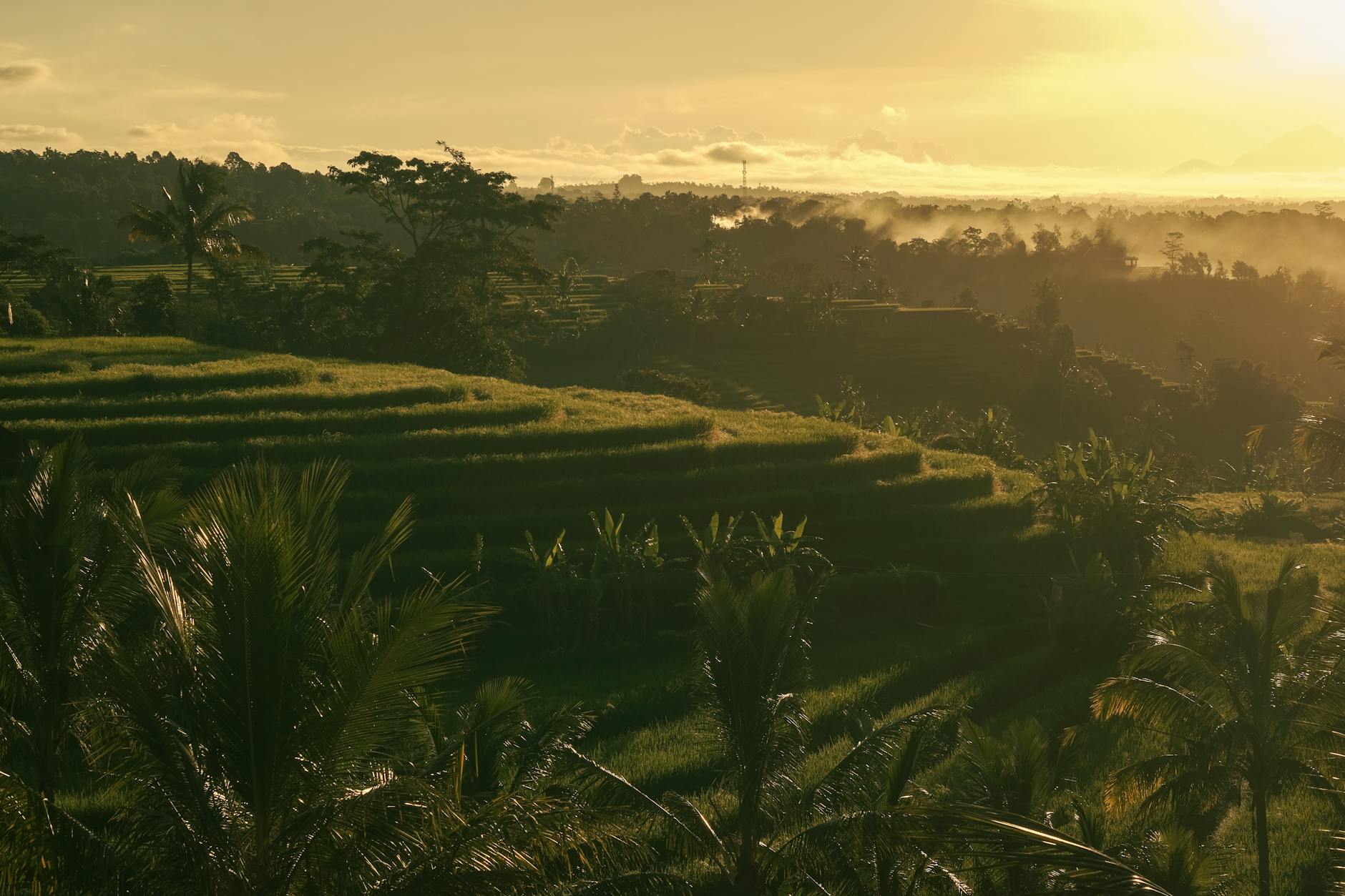
Bali (Indonesia)
Dry Season
Apr–Oct
Wet Season
Nov–Mar
Best Time
Jun–Sep
Peak Season
Jul–Aug
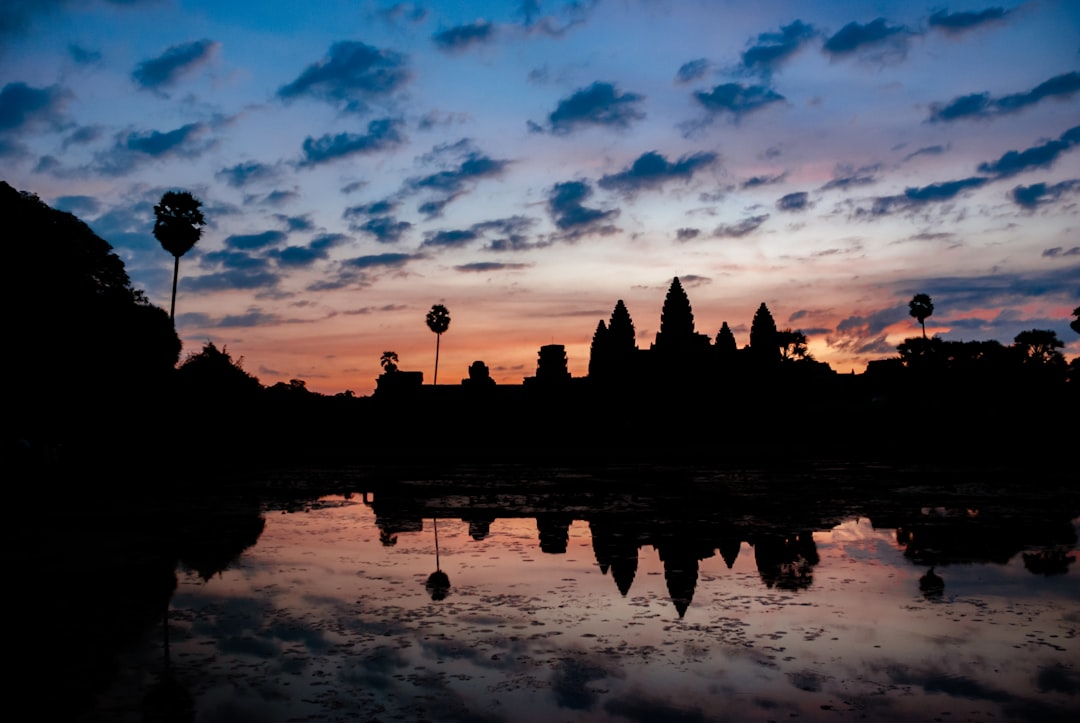
Cambodia
Dry Season
Nov–Apr
Wet Season
May–Oct
Best Time
Nov–Feb
Peak Season
Dec–Jan
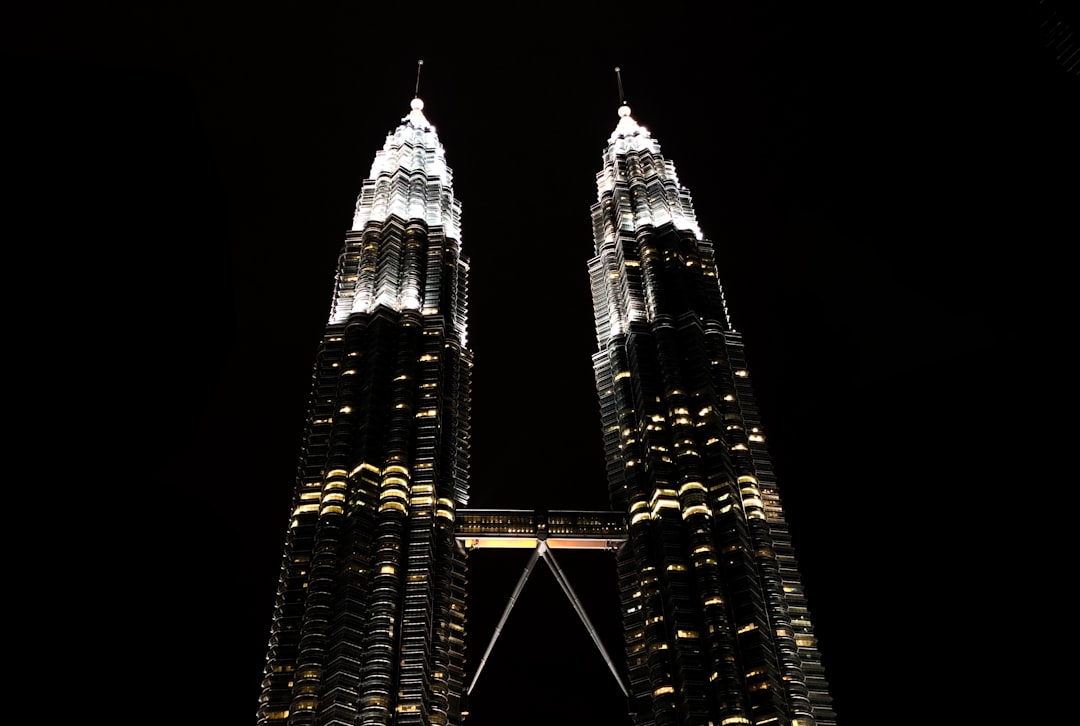
Malaysia
Dry Season
Dec–Mar (west)
Wet Season
Apr–Nov
Best Time
Dec–Mar
Peak Season
Dec–Feb
Philippines
Dry Season
Dec–May
Wet Season
Jun–Nov
Best Time
Jan–Apr
Peak Season
Mar–May
Festivals
When to Go for Festivals
Timing your trip around a major festival is unforgettable — but book accommodation early.
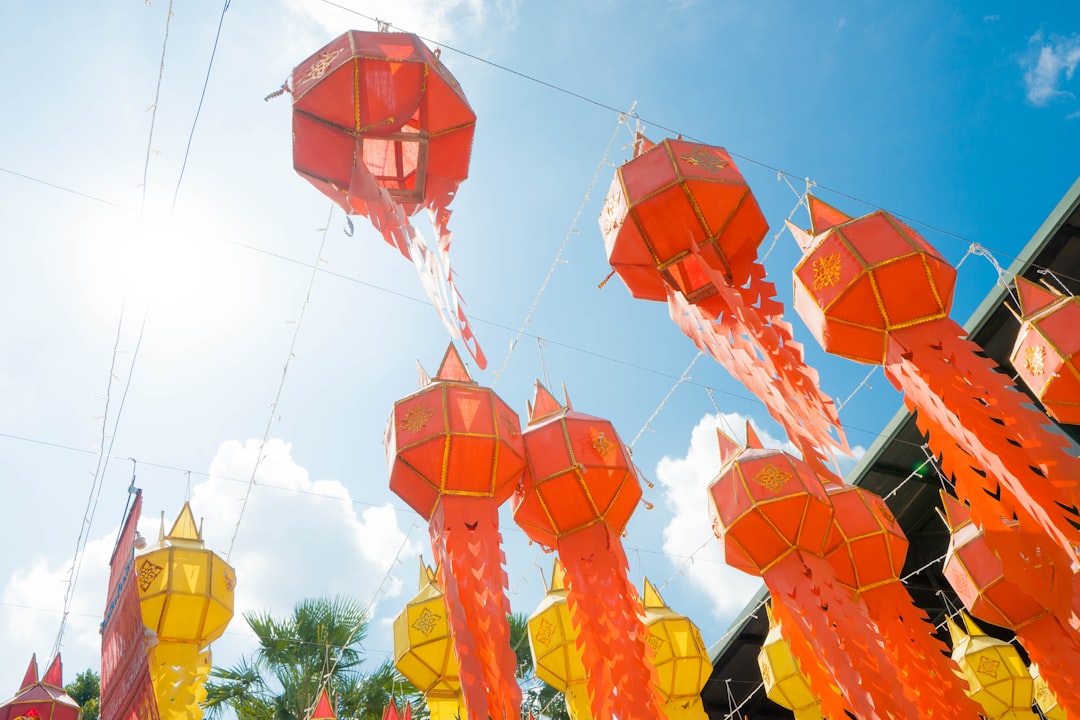
Songkran (Thai New Year)
April 13–15 · Thailand (Bangkok, Chiang Mai)
Massive water fights nationwide. Book hotels 3+ months ahead. Expect everything to be wet.
Tet (Vietnamese New Year)
Late Jan / Early Feb · Vietnam (nationwide)
Country shuts down for a week. Travel before or after, not during. Hanoi is magical.
Yi Peng Lantern Festival
November (full moon) · Chiang Mai, Thailand
Thousands of sky lanterns released. Book 6+ months ahead. Combine with Loy Krathong.
Nyepi (Day of Silence)
March (varies) · Bali, Indonesia
Entire island shuts down for 24 hours — no lights, no travel. Unique cultural experience.
Chinese New Year
Late Jan / Early Feb · Malaysia, Singapore
Spectacular in Penang and Singapore. Chinatown celebrations last 15 days.
Thingyan (Water Festival)
April 13–16 · Myanmar (Yangon, Mandalay)
Similar to Songkran. The country celebrates with music, dance, and water.
Budget
When It's Cheapest
Southeast Asia is always affordable, but timing can save you 30–50% on accommodation and flights.
Peak Season
Dec – Jan, Jul – Aug
Highest prices
- •Hotels 50–100% more expensive
- •Book flights 3+ months ahead
- •Beaches and temples crowded
- •Best weather guaranteed
Shoulder Season
Mar – May, Sep – Nov
Best value
- •Hotels 30–50% cheaper than peak
- •Fewer crowds at major sites
- •Weather mixed but generally fine
- •Best time for flexible travelers
Low Season
Jun – Aug (mainland)
Lowest prices
- •Hotels up to 50% off peak rates
- •Empty beaches and attractions
- •Afternoon rains, mornings clear
- •Bali bucks the trend (peak here)
Planning
Routing Around the Weather
You don't need perfect weather everywhere — just plan your route to be in the right place at the right time.
November–February Route
Start in Thailand (Bangkok, Chiang Mai) → Cambodia (Siem Reap) → Vietnam (Hoi An, Saigon) → Fly to Bali for last week. This is the classic dry-season loop.
June–August Route
Skip mainland SEA monsoons and head to Bali/Indonesia (dry season). Or focus on north Vietnam (Hanoi, Sapa — actually pleasant in summer) and east Malaysia (Sabah).
March–May Budget Route
Hottest months but driest in much of the region. Great for Cambodia, Laos, and Myanmar at lower prices. Avoid Chiang Mai (burning season, Feb–April air quality).
September–October Wildcard
Rains are tapering off. Vietnam's central coast gets typhoons in October, but the north and south are fine. Myanmar and Laos are lush and uncrowded. Excellent value.
FAQ
Frequently Asked Questions
What is the best month to visit Southeast Asia?
When is the monsoon season in Southeast Asia?
Is it worth visiting during the rainy season?
What is the cheapest time to visit?
How hot does Southeast Asia get?
Can I visit multiple countries in one trip?
When are the biggest festivals?
Do I need to worry about typhoons?
Ready to plan your trip?
Check our cost guides, visa requirements, and itineraries to build the perfect Southeast Asia adventure.